Definition: The best white noise for sleeping is a steady, comfortable background sound that makes unwanted noises less noticeable without becoming a distraction itself.
A passing car or hallway footstep can interrupt a quiet bedroom. This guide explains sound masking, the differences between white, pink, and brown noise, and how to choose a comfortable sound without assuming louder means better sleep.
How the best white noise for sleeping works
White noise combines a broad range of audible frequencies, with equal power across equal-width frequency bands. It usually sounds like a steady hiss, similar to radio static. At bedtime, its main purpose is sound masking, which makes other sounds stand out less against the background.
A closing door can seem surprisingly loud in a silent room. Add a gentle, continuous sound, and the difference between the background and that door click becomes smaller. The door has not become quieter, but it may attract less attention.
The best white noise for sleeping therefore depends partly on your surroundings. Occasional hallway sounds present a different challenge from persistent traffic rumble. Background audio may help with contrast, but it cannot remove noise or guarantee uninterrupted sleep.
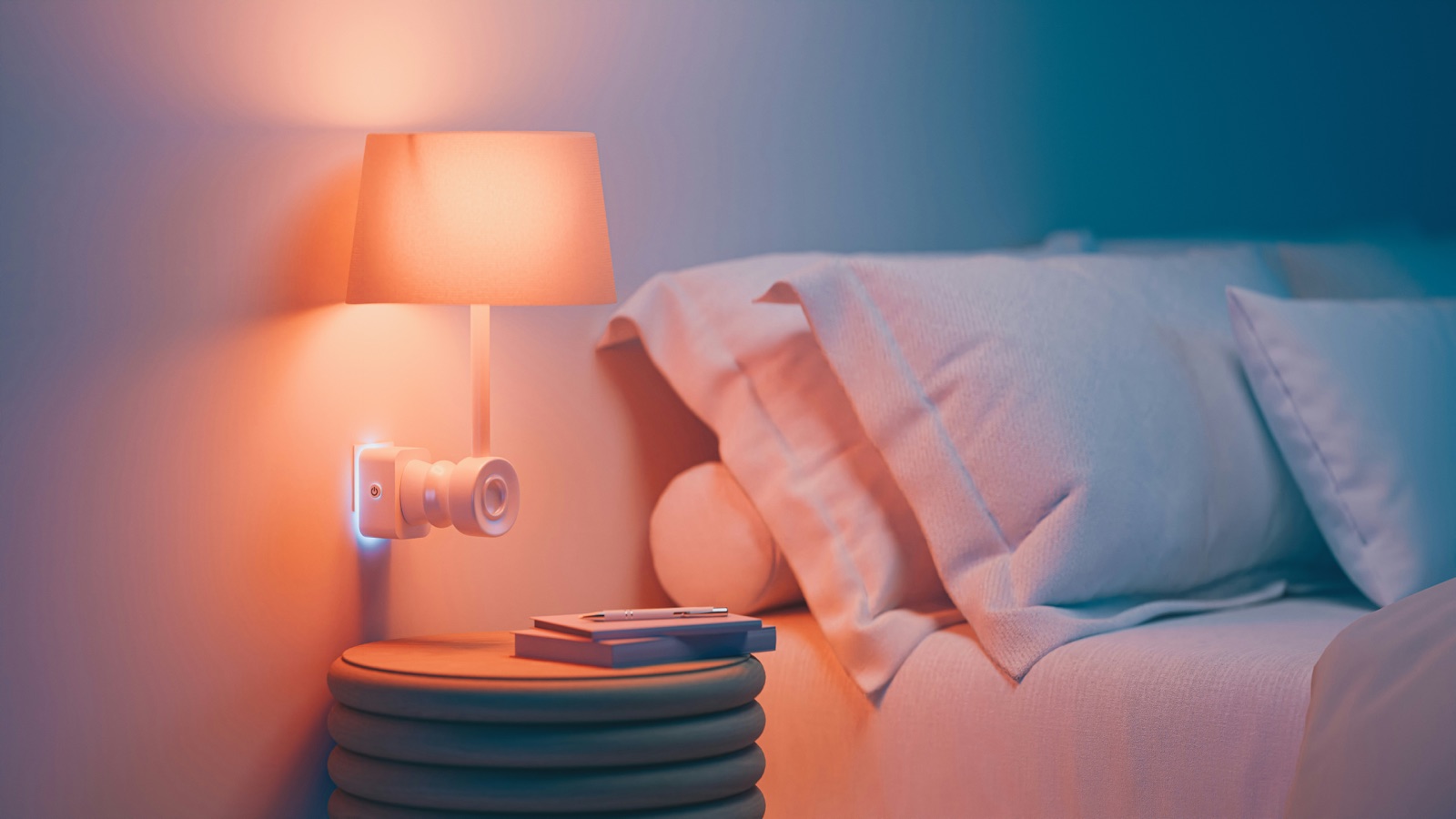
The analogy: a screen in a dark room
A phone screen looks brighter in a dark room than during the day, even at the same brightness. The surroundings change how strongly it stands out.
Sound masking similarly reduces contrast. Hearing and vision differ, but the analogy shows why masking does not mean overpowering every sound.
What research actually tells us
Research shows mixed findings on continuous background noise and sleep. Studies use different sounds, volumes, participants, and testing environments, making broad conclusions difficult. A systematic review of noise as a sleep aid rated the evidence for sleep improvement as very low quality.
Keep three distinctions in mind:
- Finding a sound relaxing does not prove it changes sleep stages.
- Results from a noisy laboratory may not match a quiet bedroom.
- A benefit for some participants does not establish a universal recommendation.
White, pink, and brown noise explained
Noise “colors” describe how sound energy is spread across frequencies. Frequency means pitch, from low rumbles to high hisses. Changing that balance changes how bright, deep, or soft the sound seems.
| Sound type | Typical impression | How it differs | What to watch for |
|---|---|---|---|
| White noise | Bright, steady hiss | Equal power per equal-width frequency band | Higher pitches may feel sharp |
| Pink noise | Softer, balanced wash | Equal power per octave | A softer sound is not automatically more effective |
| Brown noise | Deep, low rumble | Greater emphasis on lower frequencies | Small speakers may reproduce it poorly |
| Fan sound | Airy hum | Mechanical sound with possible distinct tones | Rattling or vibration can distract |
| Rain recording | Gentle patter | Natural audio that changes over time | Thunder, splashes, or loop gaps may interrupt |
An octave is a doubling of frequency, such as moving from 250 to 500 hertz. Higher octaves cover wider frequency ranges than lower ones. White noise therefore has more total energy in higher octave bands, while pink noise has equal energy in each octave.
Did you know?
Brown noise takes its name from Brownian motion, not the color brown. Its deeper sound comes from the stronger emphasis on lower frequencies. The name describes its acoustic properties, not a proven advantage for sleep.
Apps may label rain and ocean recordings “white noise,” although they differ technically. Check for sudden sounds and obvious loops before overnight use.
How to choose the best white noise for sleeping
Begin with the disturbance you want to reduce. Is it a brief hallway sound, low road noise, or household activity before your usual wake-up time? The best white noise for sleeping should make that situation more comfortable without becoming another thing you listen for.
1. Compare sounds at a comfortable level
Try a short sample of white, pink, and brown noise while sitting in your bedroom. Notice whether any sound feels sharp, heavy, irritating, or easy to ignore. Choose the one that fades into the background rather than the one with the most impressive label.
2. Pick reliable playback
A noise machine for sleeping can offer simple controls without phone notifications. An app may provide more sound choices, timers, and portability. Neither format is automatically better, so focus on dependable playback and comfortable volume control.
Look for:
- Quiet volume settings with small adjustment steps
- No advertising or unexpected spoken messages
- Smooth playback without clicks or loop gaps
- A screen that dims or switches off
- Audio that continues when the phone screen locks
3. Keep the volume low
Start quietly and increase only enough to make unwanted sounds less noticeable. There is no single bedside setting that suits every room, speaker, or listener. Louder is not necessarily better, especially when audio runs for many hours.
The National Institute on Deafness and Other Communication Disorders explains that hearing risk depends on sound level and exposure duration. Keep speakers away from your ears, and do not rely on phone volume percentages as measurements. Make sure essential alarms remain audible.
4. Check placement from your pillow
A speaker can sound different across a room. Place it on a stable surface away from your head, then listen from your normal sleeping position. Positioning it toward the source of unwanted noise may help, but check that it does not add rattles or vibration.
5. Choose a timer deliberately
If sound mainly helps you settle down, a gradual fade-out may be enough. If outside noise continues overnight, consistent playback may be worth testing. Check the timer first, because an abrupt stop can become noticeable too.
Four everyday examples of sound masking
These examples show why the best white noise for sleeping depends on the room. Reduce avoidable noise before adding background audio.
1. Hallway noise in an apartment
Doors and footsteps create short changes against an otherwise quiet background. A gentle hiss may make those changes less distinct. Closing gaps around the door may also reduce how much sound enters.
2. Traffic outside a bedroom window
Road noise includes both low rumble and sharper sounds. Pink noise may feel comfortable, but it cannot reliably hide every passing vehicle. Window sealing and moving the bed away from the street-facing wall may be more useful than raising the volume.
3. Different schedules in a shared home
Someone preparing breakfast may wake a household member who sleeps later. Agreeing on quieter routines addresses the source directly. Background sound can then provide a supporting layer instead of competing with every kitchen noise.
4. A quiet room where audio feels irritating
Some listeners notice the hiss or repeating pattern more than the original disturbance. In that setting, added sound may reduce comfort. Choosing silence is a valid result, not a failed experiment.
Test your setup without chasing scores
Change one thing at a time. Keep bedtime, caffeine habits, and speaker placement steady while comparing sounds, and look for repeatable comfort.
- Note your usual experience for a few nights.
- Try one sound at a consistent, quiet setting.
- Keep your schedule and room conditions reasonably steady.
- Record ease of falling asleep, remembered awakenings, and morning alertness.
- Adjust or stop if the sound becomes distracting or uncomfortable.
A short journal can reveal patterns that a single score misses. If evenings vary widely, work on consistency alongside your audio experiment. This guide to a bedtime routine for adults offers a practical starting point.

For readers looking beyond sound alone, raizz is an AI sleep wearable brand that combines the raizz Band, an app, and a charging base. The system detects emerging sleep disruptions and responds with gentle, personalized vibration, while the app connects sleep patterns and journal entries with guidance grounded in established behavioral sleep science. Its audio programs include meditation and white noise. That makes sound one part of a broader approach, rather than a claim that one recording can address every reason someone wakes during the night.
Key takeaway: comfort matters more than labels
The best white noise for sleeping stays comfortably in the background, if added sound helps you at all. Prioritize low volume, steady playback, and a suitable room over claims about special frequencies. Findings from a carefully controlled sound experiment do not automatically apply to a consumer playlist.
Sound also cannot replace enough time for sleep or consistent habits. The Centers for Disease Control and Prevention’s sleep guidance offers broader information about healthy sleep. If frequent waking or daytime sleepiness continues, seek guidance from a qualified healthcare professional rather than simply turning up the audio.
Frequently Asked Questions
What is the best white noise for sleeping all night?
Choose a steady sound without ads, abrupt changes, or noticeable loop gaps. Keep it quiet and check that essential alarms remain audible. If continuous playback bothers you, consider a gradual timer or silence.
Is pink noise better than white noise?
Not for everyone. Pink noise puts less emphasis on higher frequencies and may sound softer. Your preference and room conditions matter, while research does not establish one color as universally best.
Are headphones a good choice for sleep audio?
A bedside speaker avoids the pressure and fit issues that headphones can cause in bed. If you use headphones, consider comfort, sound exposure, and whether you can hear important alerts. Avoid increasing volume to overpower your surroundings.
Can white noise block snoring?
It may make mild snoring less noticeable, but it does not address its cause. Loud, frequent snoring, breathing pauses, or gasping deserve professional assessment. Raising background volume is not a substitute for that evaluation.
Do I need background sound in a quiet bedroom?
No. Audio is optional, not a requirement for good sleep. If silence feels comfortable and outside sounds rarely interrupt you, there may be little reason to add noise.
Start with one quiet change tonight
Finding the best white noise for sleeping starts with one gentle track, a low setting, and notes about morning comfort. Choose silence if it feels better.
raizz
Your Tomorrow Starts Tonight.
raizz helps you explore how sound, sleep patterns, and daily habits fit into a calmer night.


