Your sleep tracker flashes a higher number after an evening drink, and suddenly last night needs explaining. So, does alcohol increase heart rate while sleeping? Yes, alcohol can raise overnight heart rate, even when it initially makes you feel sleepy.
Use this guide to compare existing drinking nights with alcohol-free nights, spot other possible causes, and know when to seek help. You do not need to drink to test the connection. A simple log can help you understand patterns without turning bedtime into a nightly exam.
Quick Summary: What You Need
Gather these tools before starting:
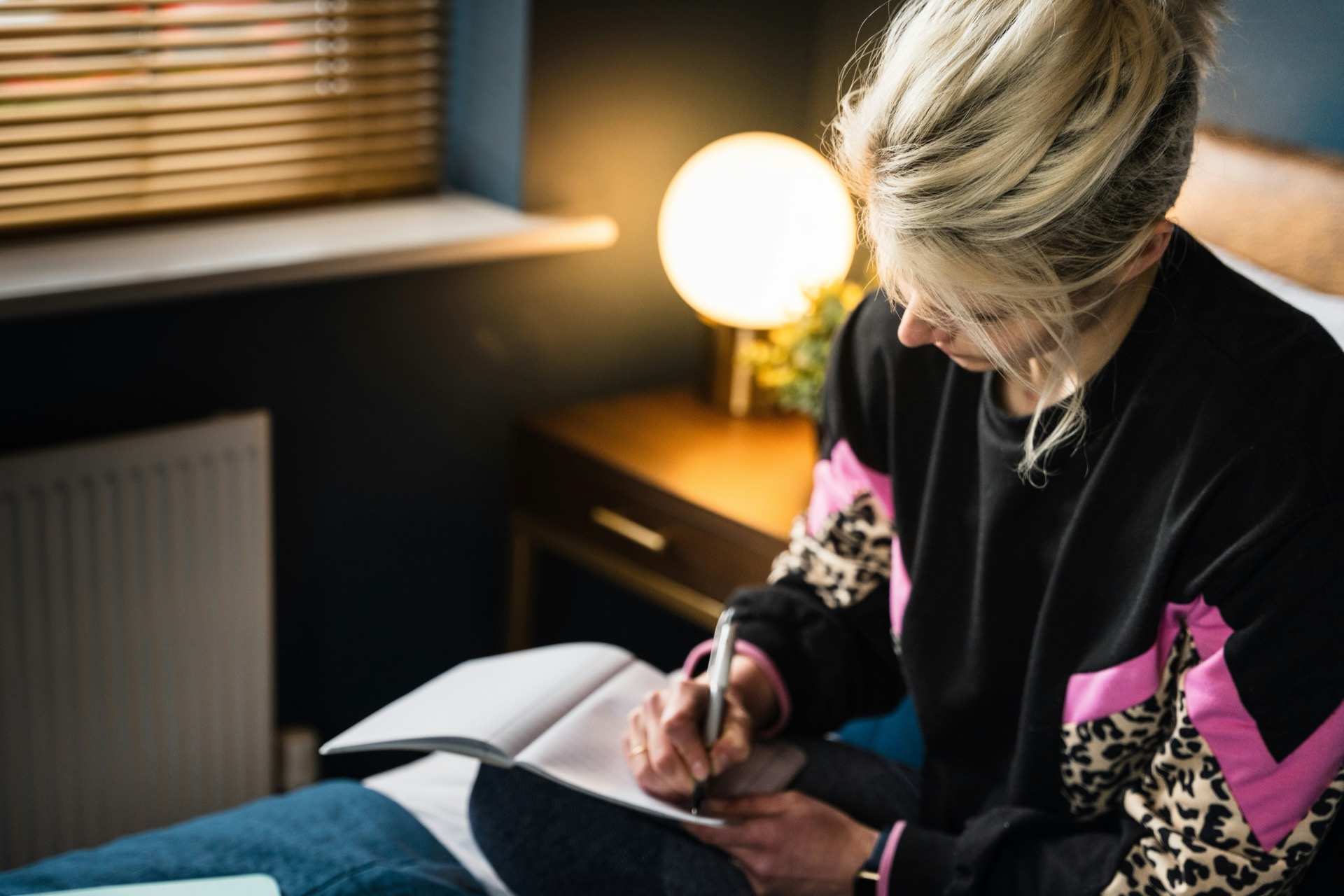
- A notebook or phone note for evening habits and morning observations.
- An optional wearable that records overnight heart rate.
- Access to previous readings, if available.
- About two minutes each morning for seven to fourteen days.
- A reasonably consistent bedtime and wake time.
Start with alcohol-free nights if it is safe for you to do so. Compare trends rather than single spikes, and prioritize symptoms over any device score.
Why does alcohol increase heart rate while sleeping?
Alcohol can change how your automatic nervous system controls circulation. It widens blood vessels, and your heart may beat faster to maintain blood flow. It can also shift the balance away from the calming activity that normally helps your pulse slow during sleep.
The relationship between alcohol and sleep is not simply about feeling drowsy. Alcohol may help you nod off initially while disrupting sleep later, especially as its effects wear off. More awakenings and changes in breathing can contribute to a less settled night.
The National Institute on Alcohol Abuse and Alcoholism’s overview of alcohol’s effects explains that alcohol can affect the heart, including its rhythm. The size and duration of an overnight increase vary with the amount consumed, timing, individual physiology, and other health factors. Feeling sober at bedtime does not guarantee that your nighttime readings will match your baseline.
If you are asking, “does alcohol increase heart rate while sleeping?”, separate two questions: whether alcohol can cause this effect, and whether it explains your particular reading. The first answer is yes; the second requires context. A wearable alone cannot establish the cause or identify an abnormal rhythm.
Before You Start: Establish Safety and Consistency
Set aside five minutes to review your usual habits, medications, and symptoms. Do not change prescribed medicines to improve a graph or score. Avoid adding supplements or sleep aids to counter alcohol’s effects.
Seek urgent medical help for a racing or irregular heartbeat accompanied by chest pain, fainting, severe shortness of breath, or marked dizziness. Do not wait for several nights of data. These symptoms matter even if your device reports a reassuring average.
If you drink heavily or regularly, or have experienced withdrawal symptoms before, speak with a healthcare professional before stopping abruptly. Withdrawal can cause a fast pulse and can be dangerous. Shaking, sweating, agitation, or nausea after reducing alcohol need prompt medical advice; seizures, hallucinations, or confusion require emergency care.
Step 1: Choose one measurement
- Action: Select the same overnight metric each morning, such as average sleeping heart rate. Use the same device and follow its fit instructions.
- Reason: Comparing an overnight average with a daytime resting value creates a misleading picture. A consistent metric makes changes easier to interpret.
Do not compare your lowest five-minute reading with someone else’s full-night average. Different devices also use different calculation windows. If you do not own a wearable, record sleep quality, awakenings, and symptoms instead.
Pro Tip: Check whether your app’s “resting heart rate” includes daytime measurements. Its label may not mean the same thing as average heart rate during sleep.
Check Safely: does alcohol increase heart rate while sleeping for you?
Plan a seven-to-fourteen-day observation period, not a drinking experiment. Use past drinking-night data if you already have it. Otherwise, gather alcohol-free observations without deliberately introducing alcohol.
Step 2: Build an alcohol-free baseline
- Action: Record several alcohol-free nights while keeping your sleep schedule reasonably steady. Note your overnight reading and how you feel the next morning.
- Reason: Your own usual range is more useful than a single population average. Multiple nights help reveal ordinary variation.
There is no single normal sleeping heart rate that applies to everyone. Age, fitness, medicines, sleep stage, and health conditions all influence it. For background, read this guide to heart rate during sleep, then focus on your personal trend rather than chasing a target number.
Step 3: Log the factors that can muddy the comparison
- Action: Record alcohol amount and finishing time when applicable. Also note caffeine, late meals, hard exercise, illness, stress, and unusual bedtime changes.
- Reason: Several factors can raise overnight pulse independently of alcohol. Recording them helps prevent a confident but incorrect conclusion.
Use the NIAAA standard drink guide when estimating intake. In the United States, one standard drink contains about 14 grams of pure alcohol. A large wine pour or strong cocktail can contain more than one.
| Log item | What to record | Why it matters |
|---|---|---|
| Overnight pulse | Same metric from the same device | Keeps comparisons consistent |
| Alcohol | Standard drinks and finishing time | Adds amount and timing context |
| Sleep schedule | Bedtime and wake time | Flags schedule changes |
| Other factors | Illness, stress, caffeine, exercise | Identifies competing explanations |
| Morning experience | Energy, awakenings, palpitations | Keeps symptoms beside the numbers |
Step 4: Keep the routine simple
- Action: Maintain a comfortable room, a regular wind-down, and ordinary hydration. Make your morning entry before checking messages or starting work.
- Reason: Consistency reduces distractions in the data. A short routine is also easier to sustain than a detailed nightly audit.
Do not force extra water or assume that food, coffee, or a cold shower clears alcohol faster. Hydration may help if you are dehydrated, but it does not cancel alcohol’s effects. Keep evening changes modest so you can understand what you changed.
Warning: Do not use sedating medicines or other substances to offset alcohol-related wakefulness. Ask a pharmacist or clinician about alcohol interactions with your medicines.
Compare Your Nights: does alcohol increase heart rate while sleeping?
Review your notes after at least a week rather than judging each morning in isolation. Group comparable nights together and look for repeated differences. Keep nights with fever, travel, or major schedule changes separate.
Step 5: Compare typical values, not dramatic peaks
- Action: Find the median, or middle value, for your alcohol-free nights. Compare it with existing drinking-night readings collected under similar conditions.
- Reason: A median is less affected by one unusual night. It helps you focus on a repeated pattern rather than a brief spike.
For example, imagine five alcohol-free nightly averages of 58, 60, 59, 61, and 59 beats per minute. Their median is 59. Three previously recorded drinking-night averages of 67, 70, and 66 have a median of 67.
Step 6: Make one practical adjustment
- Action: If your log suggests a connection, prioritize alcohol-free evenings and continue observing. If you choose to drink, reducing the amount and finishing earlier may reduce exposure near bedtime.
- Reason: Changing one main factor makes the next comparison clearer. No universal cutoff guarantees an unaffected night.
When interpreting “does alcohol increase heart rate while sleeping?”, do not turn an observation into permission to find your maximum tolerated intake. A lower reading does not establish that drinking is risk-free. Your goal is better understanding and a more restful routine, not a passing score.
Troubleshooting: When the Pattern Is Unclear
Your heart rate remains higher on alcohol-free nights
- Action: Review illness, stress, heat, recent exercise, medications, and sleep timing. Arrange medical advice if the change persists or you feel unwell.
- Reason: Alcohol is only one possible contributor. A lasting change deserves attention beyond a habit log.
The graph contains one sudden spike
- Action: Check device fit, movement, and whether the rise coincided with waking. Note any symptoms and look for recurrence.
- Reason: Optical sensors can produce inaccurate readings. A brief peak also differs from a sustained elevation.
You wake with a pounding or irregular heartbeat
- Action: Contact a healthcare professional about new or recurring episodes. Follow the urgent symptom guidance above when appropriate.
- Reason: A wearable cannot reliably distinguish every rhythm problem. The American Heart Association’s information on fast heart rhythms explains why symptoms and clinical assessment matter.
You still cannot see a clear connection
- Action: Extend the log briefly without adding drinking nights, or take your notes to a clinician. Include loud snoring, gasping, and daytime sleepiness if present.
- Reason: Night-to-night variation can hide patterns. For you, “does alcohol increase heart rate while sleeping?” may not have an answer that a home log can establish.
Put the Numbers in a Broader Sleep Context
raizz is an AI sleep wearable brand that connects tracking with active sleep support. The raizz Band detects sleep disruptions and responds with gentle closed-loop vibrations, while its app combines sleep patterns with journal entries to offer personalized guidance grounded in established behavioral sleep science. For someone logging evening habits, that pairing connects numbers with daily context. It does not establish why your heart rate changed, make alcohol risk-free, or replace medical evaluation of persistent elevations or concerning symptoms.
Frequently Asked Questions
Does alcohol increase heart rate while sleeping after just one drink?
It can, although not everyone will notice a measurable change. Timing, drink strength, medicines, and individual sensitivity matter. One night cannot establish your usual response.
How long can the increase last?
The effect can extend into the night, depending on intake and individual factors. There is no reliable universal bedtime cutoff. Do not use a wearable reading to judge sobriety or fitness to drive.
Is a higher nighttime pulse always dangerous?
Not necessarily; temporary increases can occur with stress, illness, exercise, or alcohol. However, persistent changes and recurring palpitations deserve medical advice. Symptoms such as chest pain or fainting require urgent attention.
Can drinking water bring the number down?
Water may help if dehydration contributes, but it does not neutralize alcohol. Drink normally rather than forcing large amounts before bed. Repeatedly checking your pulse can also add stress without clarifying the cause.
Why does my heart race after I wake?
Waking, standing, anxiety, and alcohol-related effects can all influence pulse. Record whether the sensation is brief, sustained, or irregular. Seek medical advice for new or recurring episodes rather than assuming alcohol explains them.
Should I buy a tracker to investigate?
No, a tracker is optional. A simple record of drinking habits, awakenings, and morning symptoms can still be useful. If you already have a device, use its trends as context rather than a diagnosis.
Start With One Calm Observation
The answer to “does alcohol increase heart rate while sleeping?” is yes, it can, but your next step need not be complicated. Choose a safe alcohol-free observation period, keep a short log, and compare like with like. Let persistent changes and symptoms guide when you ask for help.
Tonight, give your routine one less variable rather than giving yourself another score to chase. Tomorrow morning, make a brief note and move on with your day. Small, consistent observations are more useful than anxious midnight checking.
raizz
Your Tomorrow Starts Tonight.
raizz helps connect your evening habits with a clearer understanding of your sleep.


