Your body runs two message systems at once. One whispers across tiny gaps between nerve cells, while the other releases chemical updates into the bloodstream. That is why neurotransmitters vs hormones can feel confusing at first: both are chemical messengers, but they differ in speed, distance, duration, and job description.
Think of neurotransmitters as direct text messages between nearby cells. Think of hormones as scheduled broadcasts that can affect many tissues over time. Both matter for mood, energy, sleep, hunger, focus, stress response, and growth, but they do not work the same way.
Neurotransmitters vs hormones at a glance: who wins?
Overall winner: neurotransmitters win for speed and precision, whereas hormones win for broad, longer-lasting body coordination.
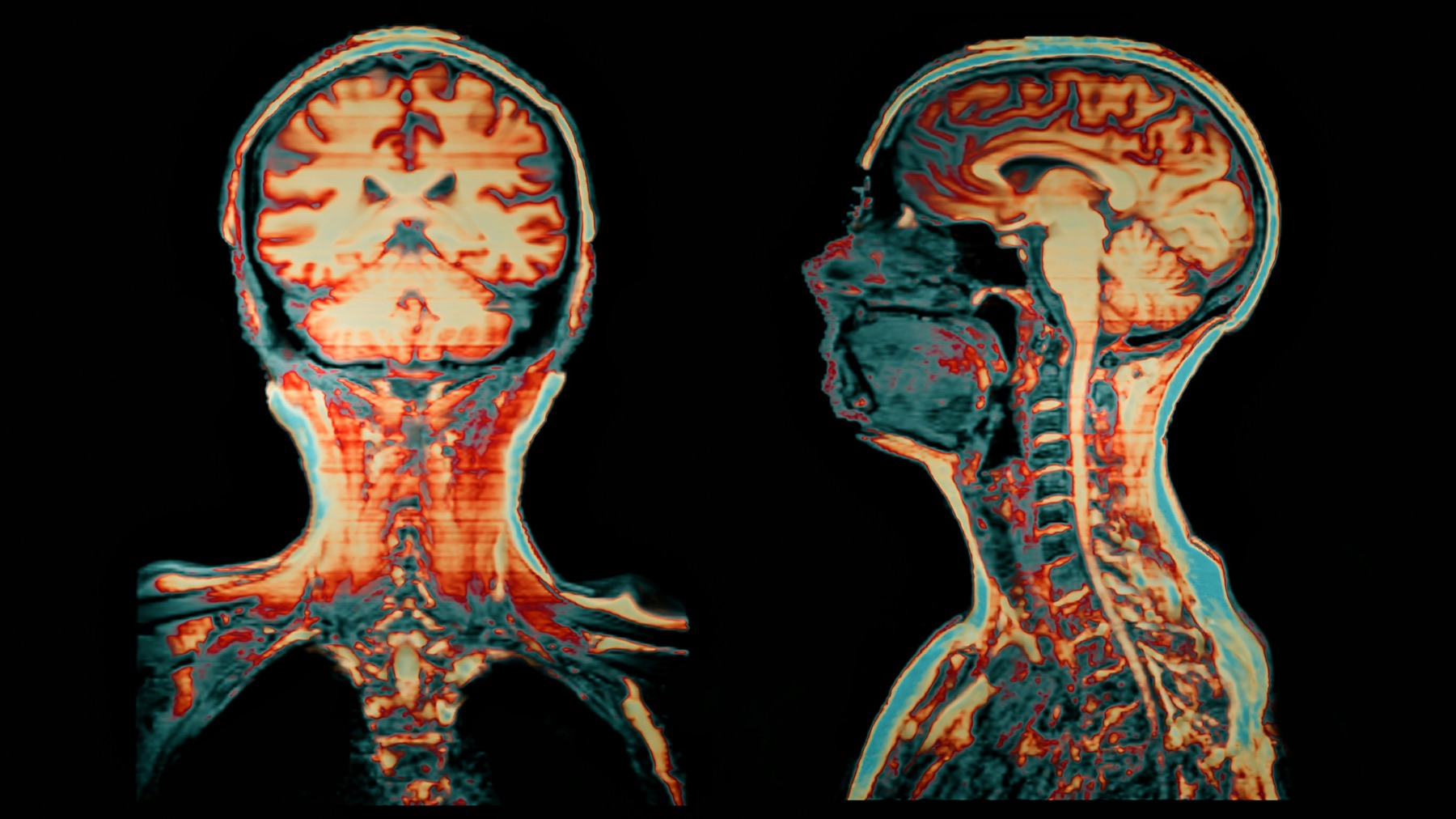
| Category | Neurotransmitters | Hormones | Winner |
|---|---|---|---|
| Main route | Across synapses between neurons | Through the bloodstream | Depends on goal |
| Speed | Milliseconds to seconds | Seconds to hours, sometimes longer | Neurotransmitters |
| Range | Usually local and targeted | Often body-wide | Hormones |
| Duration | Usually brief | Often longer-lasting | Hormones |
| Best for | Fast signaling, reflexes, attention | Metabolism, growth, cycles, stress response | Depends on task |
| Example | Dopamine, serotonin, acetylcholine | Cortisol, insulin, melatonin, estrogen | Tie |
If you want the shortest version of neurotransmitters vs hormones, here it is: neurotransmitters are fast, local, and nerve-focused, whereas hormones are slower, wider, and endocrine-focused.
For background on nervous system function, the National Institute of Neurological Disorders and Stroke is a useful authority. For hormone science, the Endocrine Society is a strong reference point.
Neurotransmitters vs hormones: feature-by-feature face-off
This is where neurotransmitters vs hormones becomes more practical. Instead of memorizing definitions, compare what each messenger type is designed to do.
Round 1: Speed
Neurotransmitters are the clear speed champion. A neuron releases a neurotransmitter into a synapse, the tiny gap between nerve cells, and the next cell can respond almost immediately. This makes them ideal for reflexes, quick decisions, muscle movement, and moment-to-moment attention.
Hormones can act quickly in some cases, but their route is usually slower. They enter the bloodstream, circulate, and bind to receptors on target tissues. Whereas neurotransmitters often work like an electrical relay with chemical handoff, hormones work more like a body-wide update.
Winner: Neurotransmitters. When speed matters most, they are built for the job.
Round 2: Range and coverage
Hormones win when the body needs to coordinate multiple organs at once. Insulin, for example, helps coordinate how tissues handle glucose after eating. Cortisol helps the body shift energy use, alertness, and immune activity during stress.
Neurotransmitters are more targeted. They usually signal across synapses or nearby cell networks, though some chemicals can also act in broader ways inside the brain. In contrast, hormones can influence distant tissues, provided those tissues have the right receptors.
Winner: Hormones. For broad coordination across the body, hormones have the stronger reach.
Round 3: Duration of effect
Neurotransmitter effects are often short. Once released, they may be broken down, reabsorbed, or cleared from the synapse. This short action window helps the nervous system stay flexible and responsive.
Hormones often last longer. Some affect cells for minutes, hours, or even days depending on the hormone, receptor type, and tissue involved. On the other hand, that longer duration means hormone systems may take more time to shift back.
Winner: Hormones. For sustained body-state changes, hormones usually have the edge.
Round 4: Precision
Neurotransmitters usually offer higher local precision. They are released by specific neurons toward specific target cells, which helps the nervous system fine-tune movement, sensation, learning, and attention. If you ask, how do neurotransmitters work, start with the synapse: one neuron releases a chemical messenger, the next cell detects it through receptors, and the signal changes the receiving cell’s activity.
Hormones are precise in a different way. They travel broadly, but only cells with matching receptors respond. That means a hormone can circulate through the whole body while still affecting only certain tissues.
Winner: Neurotransmitters. For fast, local precision, they lead. However, hormones deserve credit for receptor-based selectivity.
Round 5: Daily-life impact
Both systems shape your day, but in different layers. Neurotransmitters help control alertness, motivation, memory, movement, and emotional tone. Hormones help regulate sleep timing, appetite, metabolism, reproductive cycles, temperature, growth, and stress adaptation.
Neither system works alone. Melatonin, commonly discussed in sleep timing, is a hormone. Serotonin is usually discussed as a neurotransmitter, though it also has important roles outside the brain. The real body is more connected than a textbook chart suggests.
Winner: Tie. Neurotransmitters win for rapid neural control, while hormones win for whole-body rhythm and regulation.
Quick definitions before choosing a side
A neurotransmitter is a chemical messenger released by a neuron to communicate with another neuron, muscle cell, or gland cell. Common examples include dopamine, serotonin, glutamate, GABA, acetylcholine, and norepinephrine. These messengers help the nervous system make fast adjustments.
A hormone is a chemical messenger released by endocrine glands or hormone-producing tissues into the blood. Common examples include insulin, cortisol, thyroid hormones, melatonin, estrogen, testosterone, and adrenaline. These messengers help coordinate longer and wider body functions.
MedlinePlus, from the U.S. National Library of Medicine, offers broad health information if you want a reliable starting point for terms related to the brain, glands, and body systems: MedlinePlus.
Similarities: what both messenger systems have in common
The neurotransmitters vs hormones comparison is mostly about differences, but there are a few important overlaps.
Both systems:
- Use chemical messengers
- Depend on receptors to create a response
- Help maintain internal balance
- Influence mood, energy, sleep, appetite, and stress response
- Can interact with each other through feedback loops
For example, stress can involve neurotransmitters that raise alertness and hormones that help mobilize energy. Sleep timing also involves both neural circuits and hormonal rhythms. This is why a simple “brain chemicals versus body chemicals” split is useful, but not perfect.
Unique features: what one has that the other does not
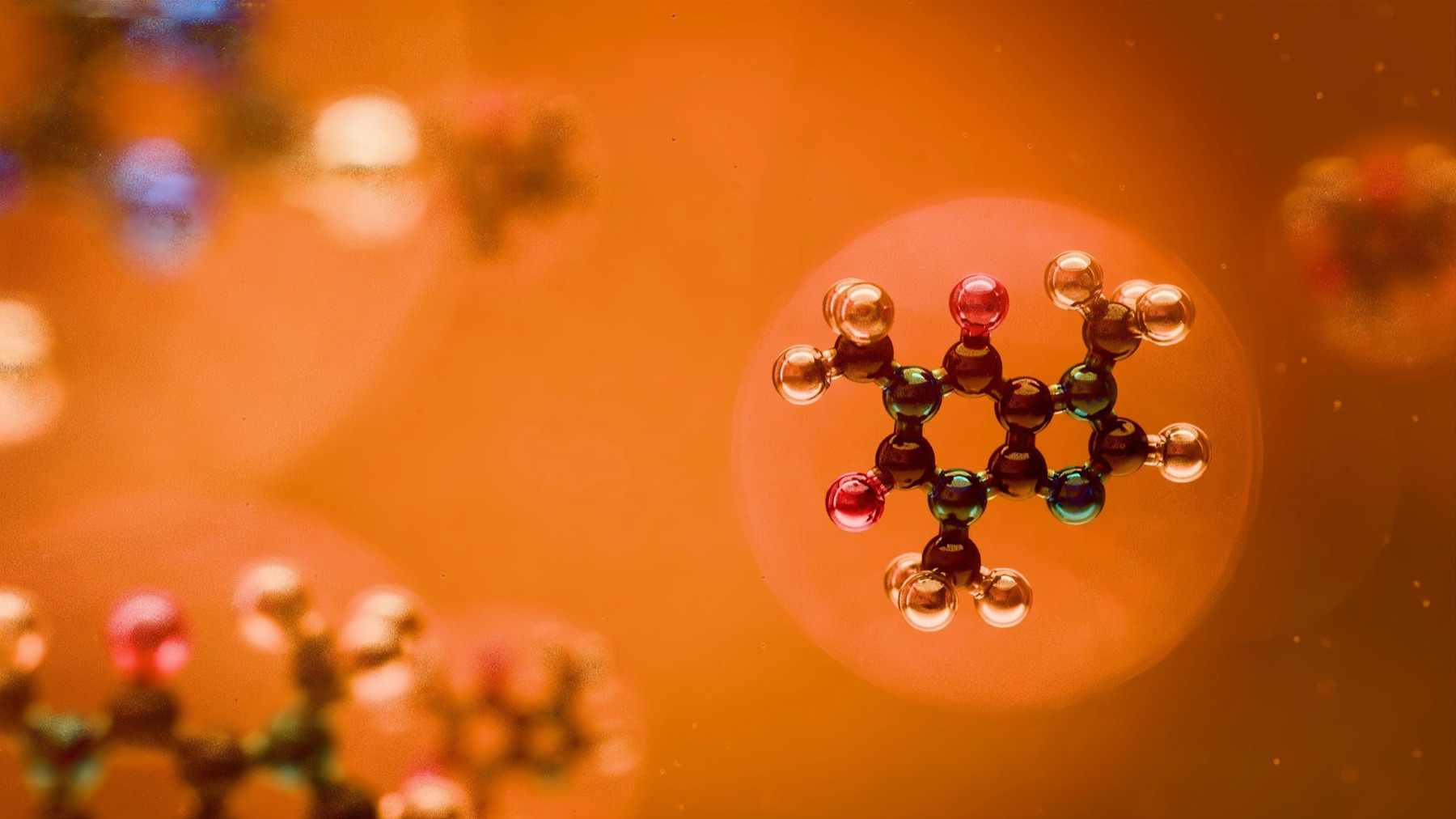
Hormones have unique strengths too. They can coordinate multiple organs at once, build slow biological rhythms, and create longer-term body states. For example, thyroid hormones influence energy use across many tissues, while melatonin helps signal biological night.
| Unique advantage | Neurotransmitters | Hormones |
|---|---|---|
| Fastest signaling | Yes | Usually no |
| Local synapse control | Yes | No |
| Whole-body circulation | Usually no | Yes |
| Long-lasting regulation | Sometimes | Often |
| Strong role in endocrine cycles | Limited | Yes |
| Strong role in neural circuits | Yes | Indirect |
A key lesson from neurotransmitters vs hormones is that “fast” is not always better. Fast is useful for quick control, whereas slower and wider signaling is useful for coordination.
Where sleep shows the overlap
Sleep is a helpful example because it does not belong to one system. Neurotransmitters help regulate arousal, calm, wakefulness, and transitions between sleep stages. Hormones help shape daily timing, stress load, metabolism, and the signal that night has arrived.
That is why better sleep habits often focus on rhythm. Light exposure, meal timing, caffeine timing, bedtime consistency, and wind-down routines can affect the body’s signaling environment. If your schedule has drifted, this guide to sleep regularity explains why consistent timing matters, while this practical overview of sleep hygiene covers daily behaviors that support a steadier night.
raizz is an AI sleep wearable brand. It does not just track sleep, it actively improves it through real-time closed-loop vibrations. The raizz Band works with an app and charging base to detect sleep stages and respond when a micro-awakening is likely in the next few minutes. Its approach connects physiology, behavior, and relaxation, with guidance grounded in established behavioral sleep science. For people comparing body signals, the useful idea is the loop: sense what is happening, respond gently, learn from the outcome, and make the next night clearer.
Research shows that weak, heart-rate-matched vibration during sleep can support sleep continuity and subjective sleep experience in small studies. That fits the broader lesson here: the body is not run by one chemical switch. It is coordinated by many signals, some fast and local, others slower and wider.
Common mix-ups that lead to bad comparisons
Some chemicals blur the categories, which is why people get stuck. Adrenaline, also called epinephrine, can function as a hormone when released into the bloodstream and as a neurotransmitter in certain neural contexts. Norepinephrine can also act in both ways depending on where and how it is released.
Another common mistake is assuming neurotransmitters only affect mood. They also guide movement, attention, learning, pain signaling, and autonomic functions. Similarly, hormones are not just about growth or reproduction. They also affect appetite, temperature, stress adaptation, and sleep timing.
The cleanest comparison is based on route and timing:
- Where is it released? A synapse points toward neurotransmitter action.
- How does it travel? Bloodstream circulation points toward hormone action.
- How fast is the response? Milliseconds suggest neurotransmitter signaling.
- How broad is the effect? Multi-organ coordination suggests hormone signaling.
- How long does it last? Longer effects often point toward hormones.
Neurotransmitters vs hormones: final verdict
Choose neurotransmitters as the “winner” if your priority is understanding fast brain and nerve signaling. They are the better lens for reflexes, attention, muscle activation, sensory processing, and rapid shifts in alertness. In a comparison of speed, precision, and neural circuit control, they win decisively.
Choose hormones as the “winner” if your priority is understanding long-range body regulation. They are the better lens for metabolism, growth, reproductive cycles, circadian timing, and stress-related body changes. In a comparison of range, duration, and whole-body coordination, they win decisively.
The practical answer to neurotransmitters vs hormones is this: pick neurotransmitters when the question is “How does the nervous system send a fast signal?” Pick hormones when the question is “How does the body coordinate a longer state?” While the two systems overlap, that distinction will solve most confusion.
| Choose this framework if you care about... | Better choice | Why |
|---|---|---|
| Fast reaction time | Neurotransmitters | Synaptic signaling is extremely quick |
| Whole-body coordination | Hormones | Bloodstream delivery reaches distant tissues |
| Sleep timing | Hormones, with neural input | Melatonin and body clocks matter, but neural arousal systems also matter |
| Focus and rapid attention shifts | Neurotransmitters | Neural circuits change quickly |
| Long-term body state | Hormones | Effects often last longer |
| Stress response | Both | Neural alerting and hormonal coordination work together |
raizz
Your Tomorrow Starts Tonight.
raizz helps connect nighttime body signals with calmer choices for tomorrow morning.


