Definition box: Skin temperature during sleep is the temperature at the surface of your body that rises and falls overnight as your nervous system, blood flow, and bedroom conditions shift.
Introduction: why this subtle signal matters (and how to read it)
If you have ever kicked off the covers at 2 a.m. or woken up with cold feet, you have already felt how tightly temperature and sleep are linked. You are not imagining it, your body actively manages heat at night, and it is normal for sensations to change across the hours.
This guide explains skin temperature during sleep in plain language, without guesswork. You will learn what patterns are typical, why some nights feel “too hot” or “too cold,” and how to make small changes that support steadier nights.
We will start simple (what it is and why it changes), then go deeper (mechanisms, components, and examples), then finish with practical takeaways and FAQs.
The core concept of skin temperature during sleep
At night, your body is constantly balancing two related things:
- Core temperature (deep inside your body)
- Skin temperature (on the surface, especially hands and feet)
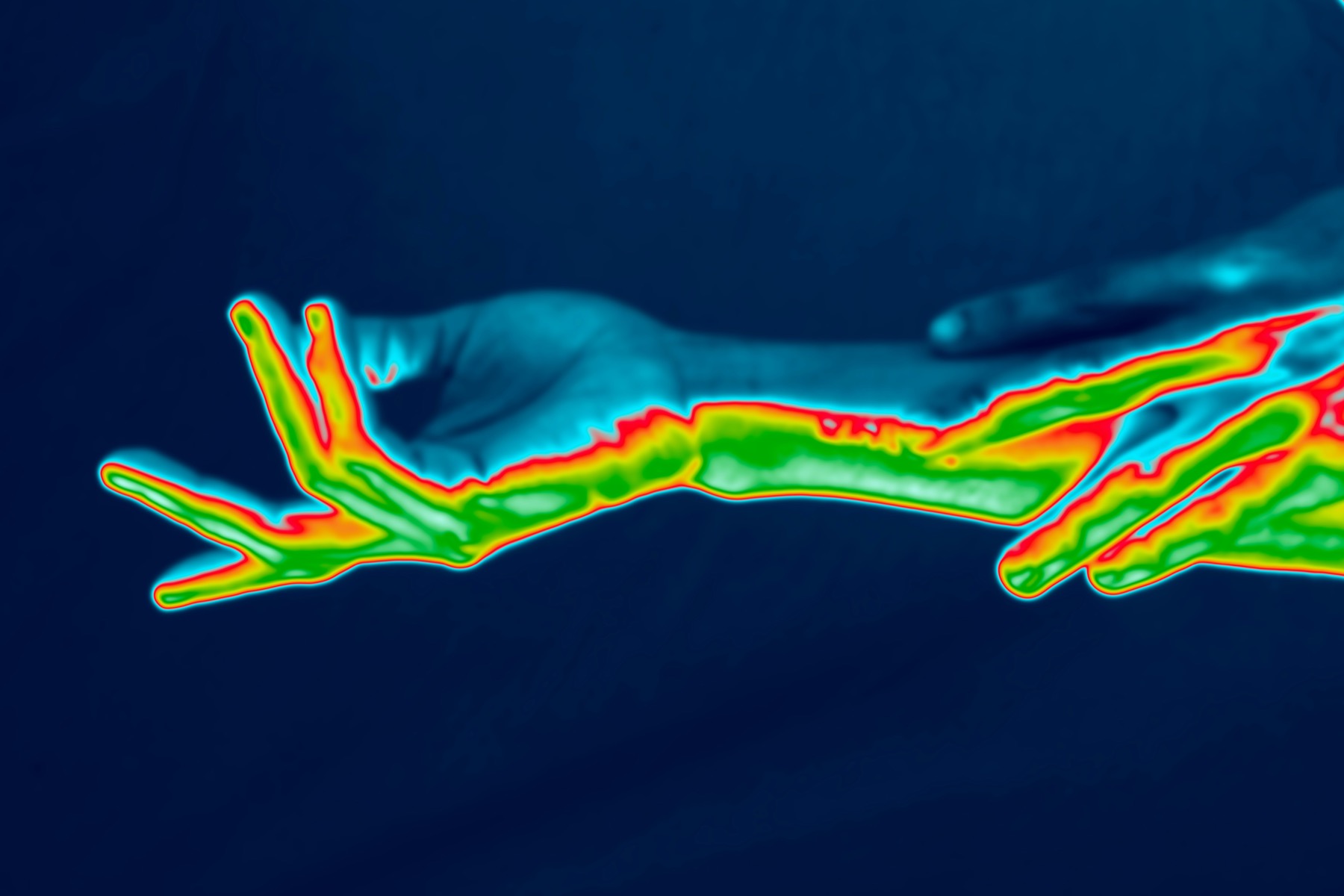
A useful rule of thumb is that sleep is often helped when core temperature trends down and skin temperature at the extremities can rise a bit, because warm hands and feet often mean more blood flow to the skin, which helps the body shed heat.
How it works (simple mechanism)
Here is the “why” behind skin temperature during sleep, step by step:
- Your brain’s clock sets the schedule. Your circadian rhythm nudges your system toward a nighttime cooling pattern.
- Blood vessels adjust. When vessels near the skin widen (vasodilation), more warm blood reaches the surface.
- Heat moves outward. Heat radiates from skin into the environment, especially if the room is cooler than your skin.
- Sleep stages shift the pattern. Different stages come with different nervous system activity, which can change sweating, blood flow, and how warm you feel.
- The environment pushes back. Bedding, pajamas, humidity, and airflow can either help heat leave your body or trap it.
The analogy (everyday explanation)
Think of your body like a house with a heating system:
- Core temperature is the thermostat setting in the living room.
- Skin temperature is the temperature near the windows where heat escapes.
- Hands and feet act like radiators. When they “turn on” (more blood flow), the house can release heat faster.
On a good night, the “windows” let heat out at the right pace. On a rough night, thick bedding, a warm room, or stress can be like sealing every window shut, heat builds up, and you may feel restless.
Key components that shape skin temperature during sleep
To make sense of skin temperature during sleep, it helps to break it into parts you can actually influence.
1. Circadian timing (your internal schedule)
Your internal clock influences when your body prefers to cool down. If your bedtime shifts later, your temperature rhythm may also shift, which can change how sleepy you feel at a given time.
Practical implications: - A consistent wake time often matters more than a perfect bedtime. - Bright light late at night can push your schedule later for some people.
2. Distal vs proximal skin temperature
Researchers often separate skin regions into: - Distal (hands, feet) - Proximal (torso, thighs)
Many people fall asleep more easily when distal areas warm slightly relative to the torso, because it supports heat loss from the core. If your feet stay cold, you might feel “tired but wired” even when you want to drift off.
3. The sleep environment (temperature, humidity, airflow)
Your bedroom acts like the “heat sink” for your body. If the room is too warm or too humid, heat loss becomes harder, and skin temperature during sleep can stay elevated.
What matters most: - Room temperature - Humidity (high humidity reduces evaporation of sweat) - Air movement (a fan can improve heat loss even without lowering the thermostat)
4. Bedding and fabric physics
Bedding can trap heat and moisture. Two people can sleep in the same room and still experience different comfort because of what they wear and how they layer.
Quick fabric notes: - Breathable materials often help moisture escape. - Too many layers can trap heat even in a cool room.
5. Stress, alcohol, and late meals
These factors can change circulation, sweating, and how your nervous system behaves at night.
Common patterns: - Stress can make temperature sensations feel more intense and unpredictable. - Alcohol can make you feel initially sleepy but may disrupt later-night stability for some people. - Large or spicy meals close to bed can increase heat production and discomfort.
6. Tracking and interpretation (what wearables really measure)
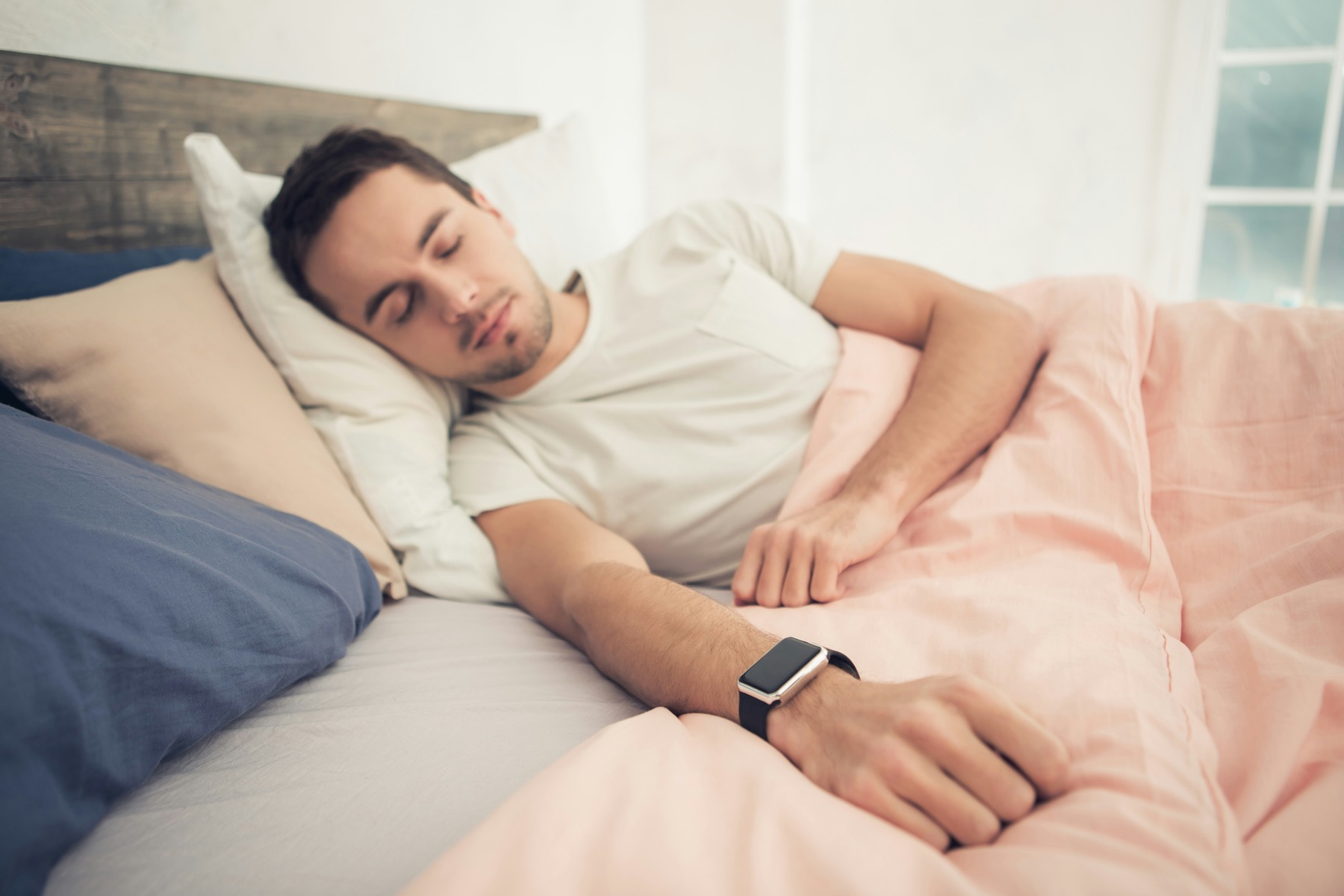
Most wearables measure skin temperature (or estimate it) rather than core temperature. That means the reading is strongly influenced by: - Where the sensor sits - How tight it is - Ambient room temperature - Bedding insulation
So treat it as a trend signal, not a diagnosis or a standalone score.
Skin temperature during sleep patterns you might notice (and what they often mean)
Below is a practical “pattern translator.” This is not medical advice, it is a way to interpret common experiences and data trends.
| Pattern you notice | What it often reflects | Simple adjustment to try |
|---|---|---|
| Cold feet at bedtime, slow to feel sleepy | Low distal blood flow, stress, or a cold room | Warm socks for 10 to 20 minutes, or a warm foot bath |
| Feeling hot after falling asleep, tossing and turning | Heat trapped by bedding or warm room | Lighter top layer, more airflow, lower humidity if possible |
| Waking up sweaty around 3 to 5 a.m. | Room too warm, humidity, heavy duvet, or alcohol effects | Reduce layers, fan, avoid alcohol close to bedtime |
| One partner is hot, the other is cold | Different metabolism and bedding needs | Separate duvets or adjustable layers on each side |
| Skin temperature drops when you wake | More movement and uncovered skin, or cooler air exposure | Note whether blankets shifted, adjust bedding grip or fit |
Real world examples of skin temperature during sleep (3 to 5 scenarios)
Here are everyday situations where skin temperature during sleep shows up clearly, plus what I have found works in practice.
Example 1: The “cold feet, busy mind” bedtime
I have tested this on nights when I felt mentally tired but could not settle. If my feet were cold, warming them briefly (socks or a warm rinse) often made it easier to relax. The key was not overheating my whole body, it was warming the extremities so the rest of me could cool naturally.
Try: - Warm feet, cool room - Light blanket, not a heavy one
Example 2: The “perfect room, wrong bedding” problem
You can set the thermostat to a comfortable number and still overheat if the bedding traps moisture. In my experience, a duvet that feels cozy at 10 p.m. can feel stifling at 2 a.m. because moisture accumulates.
Try: - Use a breathable top layer - Keep one “escape layer” you can remove quickly
Example 3: Late workout, later heat
After a hard evening workout, your body may keep producing extra heat for a while. That can shift skin temperature during sleep upward and make the first part of the night feel restless.
Try: - Finish intense exercise earlier when possible - If you work out late, give yourself a longer wind down with cooler shower water (not ice cold)
Example 4: The travel night in a dry hotel
Dry air can reduce sweating and change comfort. Some people feel chilled, others feel overheated because airflow is poor. Wearable readings can look odd because the environment is different from home.
Try: - Add gentle airflow (fan setting) - Adjust layers rather than cranking the heat
Example 5: The “why did I wake up at the same time again?” loop
Some wake ups align with habitual patterns, stress, noise, or temperature shifts as the night cools or warms. If you wake and feel hot, the first question is often whether heat is trapped. If you wake and feel cold, it may be that blankets shifted.
Try: - Reduce the chance of blanket drift (tuck, heavier sheet, or a fitted top layer) - If you run hot, keep a lighter blanket within reach
Did you know?
Your hands and feet can act like heat valves. When blood vessels in the extremities open up, skin temperature there can rise and help your body release heat more efficiently, which often supports smoother settling at bedtime.
Practical ways to optimize skin temperature during sleep (without overthinking it)
These are low effort experiments that help you learn your own pattern. Only change one variable every few nights so you can tell what worked.
- Aim for a cool, stable room. If you cannot change the thermostat, use airflow and lighter bedding.
- Warm the extremities, not the whole body. If you struggle at bedtime, focus on feet and hands briefly.
- Layer strategically.
- Base layer: breathable sleepwear
- Middle: sheet
- Top: blanket you can remove fast
- Reduce humidity when possible. Dehumidification can matter as much as temperature for comfort.
- Use tracking as a mirror, not a judge. Watch for trends in skin temperature during sleep across weeks, not a single night.
Expert takeaway: how to use skin temperature during sleep as a decision tool
In practice, skin temperature during sleep is valuable because it connects physiology to actionable levers. If your nights feel unpredictable, temperature is often one of the simplest variables to test because it is immediate and measurable.
Research on sleep and thermoregulation suggests that the ability to offload heat helps with sleep onset and steadier sleep continuity. Separate but related research on closed-loop vibrational stimulation suggests gentle, well timed stimulation can support sleep continuity and subjective sleep experience in small studies when synchronized closely to physiology. For deeper reading, see: Frontiers in Neuroscience (2024), Sleep (2021), and Sensors (2019).
The goal is not to chase a perfect number. It is to recognize patterns, then change the environment or routine so your body can do what it already knows how to do.
Skin temperature during sleep and Raizz (where active support fits)
Raizz is an AI sleep wearable brand. It does not just track sleep, it actively improves it through real-time closed-loop vibrations. In practical terms, the Raizz Band and app are designed to detect when you fall asleep and how your sleep stages change through the night, then respond with very gentle vibration a few minutes before a predicted micro-awakening. Research shows closed-loop vibration can support sleep continuity and subjective sleep experience in small studies when matched closely to physiology. The app adds behavioral guidance grounded in established behavioral sleep science, plus tools like a sleep journal and pattern insights.
Conclusion: make temperature your simplest sleep experiment
Tonight, pay attention to the story your body is telling. If you feel hot, think airflow and layers. If you feel cold at the edges, warm hands and feet briefly and let the rest of you cool. With a few calm tests, skin temperature during sleep becomes less of a mystery and more of a practical guide.
If you want to explore an approach that combines real time support with coaching, 📌 Learn how Raizz can support better sleep with closed-loop vibration. If you have a pattern you cannot decode, share what you notice (room, bedding, and timing) and I will help you troubleshoot.