Definition: Sleep deprivation means getting less sleep than your body needs, either for one night or repeatedly across many days, until alertness, mood, recovery, and decision-making begin to suffer.
Sleep deprivation is easy to underestimate because it often starts quietly. One late night becomes two, a busy week becomes a habit, and eventually tiredness begins to feel normal. You may still get through work, messages, errands, and family life, but your body is running with less recovery than it needs.
This guide explains sleep deprivation in plain language: what it is, how it builds, the most common signs of sleep deprivation, the real lack of sleep effects that show up in daily life, and what people usually mean when they ask, can you die from sleep deprivation? The goal is not to scare you. The goal is to help you notice the pattern early enough to change it.
What Sleep Deprivation Means in Real Life
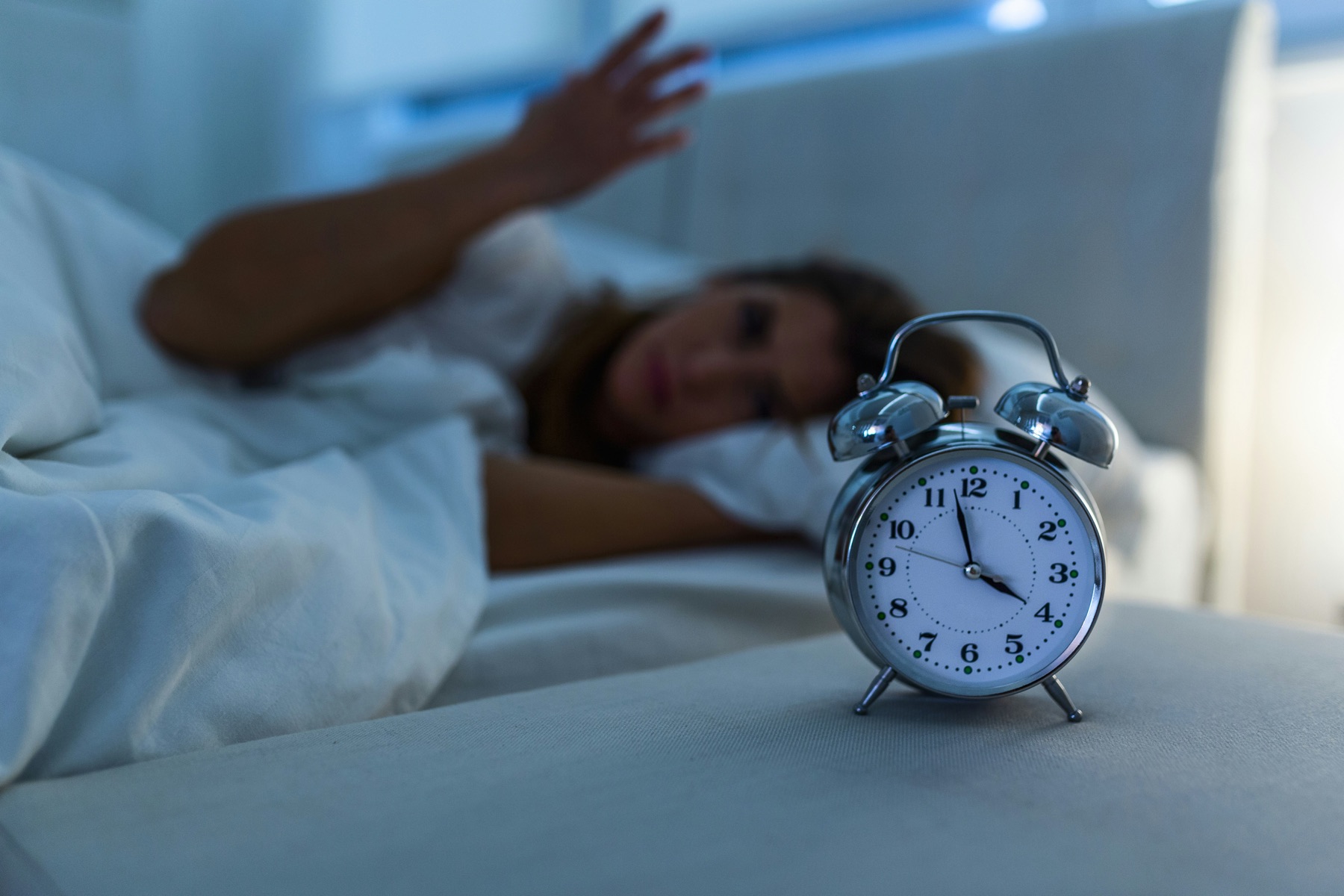
Sleep deprivation is not only an all-nighter. It can also mean getting six hours when your body needs eight, or waking repeatedly so the night never becomes truly restorative. The gap may be small each day, but the cost can add up.
Many adults need at least seven hours of sleep per night, although individual needs vary. The CDC sleep guidance explains that not getting enough sleep is linked with poorer health and safety outcomes. That does not mean one bad night ruins everything. It means repeated sleep deprivation deserves attention.
Think of sleep like a nightly maintenance window. Your brain, hormones, immune system, memory, metabolism, and emotional regulation all use that window. If the window keeps getting shortened, repairs still happen, but the system has less time to complete them.
- Late work or school demands
- Irregular bedtime and wake time
- Stress, anxiety, or racing thoughts
- Caffeine too late in the day
- A noisy, bright, or warm bedroom
- Caregiving, shift work, travel, or jet lag
- Sleep disorders that interrupt breathing or movement
Sleep deprivation is also different from ordinary tiredness. Tiredness may follow a long day and improve after a good night. Sleep deprivation usually creates a repeating pattern: you start the next day already behind.
Signs of Sleep Deprivation You Should Notice
The signs of sleep deprivation can be physical, mental, emotional, and behavioral. Some are obvious, like heavy eyelids. Others are easy to misread as personality problems, motivation problems, or a bad mood.
Here are common signs of sleep deprivation:
| Area | What you may notice | Why it matters |
|---|---|---|
| Alertness | Nodding off, microsleeps, slower reactions | Safety risk, especially while driving |
| Mood | Irritability, lower patience, emotional swings | Less recovery for stress regulation |
| Thinking | Forgetfulness, fog, weaker focus | Harder decisions and more mistakes |
| Body | Headaches, heavy limbs, higher cravings | The body looks for quick energy |
| Routine | Oversleeping alarms, needing more caffeine | Compensation starts replacing recovery |
One subtle sign is losing your sense of how impaired you are. After several short nights, people may feel they have adapted, but performance can still be worse. That is why sleep deprivation can be risky: the person affected may not fully feel the decline.
The NHLBI overview of sleep deprivation and deficiency notes that sleep loss can affect attention, reaction time, learning, and physical health. In daily life, that can look like rereading the same paragraph, reacting sharply to small problems, or feeling too wired to rest even when you are exhausted.
Quick Self-check
Ask yourself these questions over the past two weeks:
- Do I need caffeine to feel like myself most mornings?
- Do I fall asleep unintentionally while reading, watching TV, or riding in a car?
- Do small setbacks feel harder to handle than usual?
- Do I sleep much longer on days off?
- Do I feel sleepy while driving or during quiet work?
If several answers are yes, sleep deprivation may be part of the picture.
Lack of Sleep Effects on the Brain and Body
Lack of sleep effects are not limited to feeling tired. Sleep supports attention, memory, emotional balance, glucose regulation, immune function, cardiovascular health, and tissue repair. When sleep is shortened, these systems still work, but often less smoothly.
- Slower reaction time
- More mistakes
- Stronger emotional responses
- Higher hunger and cravings
- Lower motivation to exercise
- Reduced patience in conversations
- More reliance on caffeine or sugar
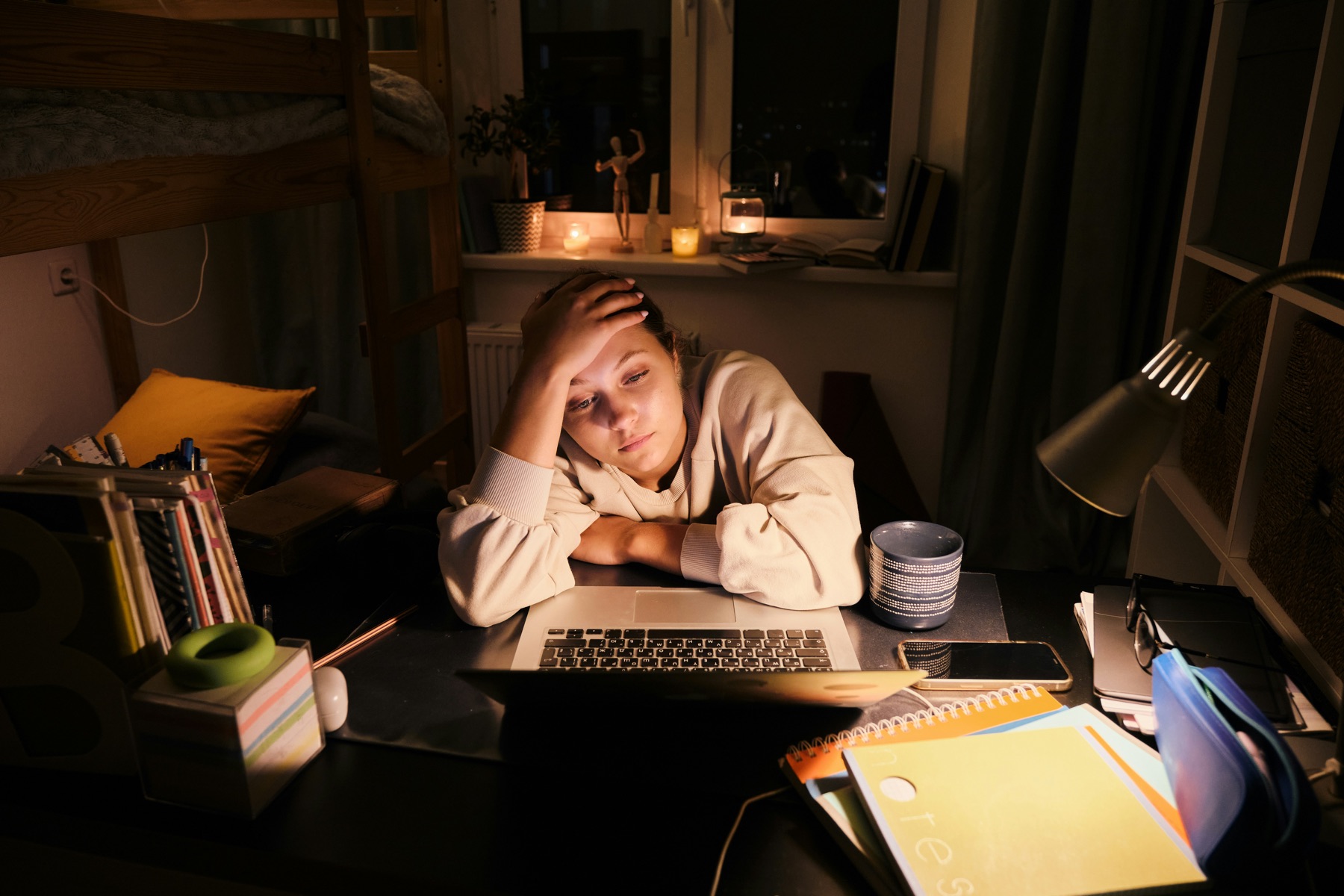
Repeated sleep deprivation can also make healthy routines harder to maintain. A tired person is more likely to skip movement, choose quick food, procrastinate, or scroll late into the night. Then those choices can make sleep harder again. This is one reason sleep deprivation becomes a loop instead of a single event.
The Analogy: Running Your Phone on Low Battery
Imagine using your phone at 8% battery with low-power mode on. It still works, but everything becomes more limited. Brightness drops, background tasks pause, and you start making decisions around saving power.
Your body can do something similar during sleep deprivation. You may still function, but the system begins prioritizing immediate survival over higher-quality attention, patience, creativity, and recovery.
Can You Die From Sleep Deprivation?
The question can you die from sleep deprivation often comes from fear after several awful nights. The honest answer needs care. In ordinary life, most people who miss sleep are not in immediate danger from the sleep loss itself. However, severe or prolonged sleep deprivation can become medically serious, and sleepiness can indirectly become dangerous through accidents, impaired judgment, or worsening health conditions.
So when people ask, can you die from sleep deprivation, the practical answer is: do not treat repeated or extreme sleep loss as harmless. The more urgent risk is often what sleep deprivation makes more likely, such as drowsy driving, workplace errors, severe distress, or reduced ability to manage existing medical issues.
Seek professional help promptly if you go multiple nights with little or no sleep, feel unsafe, experience hallucinations, have chest pain or severe breathing symptoms, or feel unable to function. If you might hurt yourself or someone else, use local emergency help immediately.
For general consumer health information, MedlinePlus healthy sleep is a useful starting point. It can help you separate normal sleep variation from patterns that need support.
Sleep Deprivation vs Sleep Debt
Sleep deprivation and sleep debt are related, but they are not identical. Sleep deprivation describes the state of not getting enough sleep. Sleep debt describes the accumulated gap between the sleep you needed and the sleep you actually got.
If you need eight hours and get six for five nights, your sleep debt may be about ten hours. That does not mean you can erase the whole amount with one long Saturday sleep. Recovery can take time, and irregular catch-up sleep may shift your schedule later.
A better recovery plan is usually steady:
- Protect a consistent wake time
- Add 30 to 60 minutes of sleep opportunity for several nights
- Get morning light soon after waking
- Keep caffeine earlier in the day
- Reduce late-night work and bright screens
- Avoid treating one long sleep as a full reset
Sleep deprivation improves when the pattern changes, not when you punish yourself for being tired.
What to Do Tonight if You Are Sleep Deprived
If sleep deprivation is already affecting your day, the best first step is not a complicated plan. Use one simple reset tonight.
-
Set a realistic bedtime window
Choose a time you can actually protect. Do not get into bed extremely early if you are not sleepy; that can create frustration. -
Create a 30-minute shutdown
Write tomorrow's first task, plug in devices away from the bed, dim lights, and avoid emotionally charged media. -
Move caffeine earlier tomorrow
If you are relying on late caffeine, it may be helping today while hurting tonight. -
Use light strategically
Bright morning light supports alertness and helps anchor your body clock. Dim evening light helps reduce mixed signals. -
Keep the goal modest
The goal is not perfect sleep. The goal is to stop making the sleep deprivation loop worse.
If this pattern happens often, track just four things for one week: bedtime, wake time, estimated total sleep, and daytime sleepiness. You do not need a complex journal to see whether the pattern is improving.
Where a Sleep Wearable Can Help
A sleep wearable can be useful when sleep deprivation is hard to interpret. The key is to use data as a pattern detector, not a nightly grade. One low score should not decide your mood. A two-week trend can help you test whether bedtime, caffeine timing, exercise, stress, or wake time is making a difference.
raizz is an AI sleep wearable brand. It does not just track sleep, it actively improves it through real-time closed-loop vibrations. For people dealing with sleep deprivation, the raizz Band, app, and charging base focus on the night as a responsive loop: detect sleep stages and possible micro-awakenings, respond with very gentle vibration, then connect sleep patterns with journal-based insights grounded in established behavioral sleep science. The aim is not to shame a bad night. It is to give clearer context and gentler support.
Expert Takeaway: Sleep Deprivation Is a Pattern, Not a Personal Failure
Sleep deprivation is a signal that recovery and demand are out of balance. It may come from work, stress, caregiving, health issues, timing, environment, or habits that made sense at one point but no longer help.
The most useful response is specific and repeatable. Find the pressure point, change one cue, and watch the trend. If sleep deprivation is severe, persistent, or affecting safety, bring in professional support rather than trying to out-discipline your biology.
raizz
Your Tomorrow Starts Tonight.
raizz helps turn restless nights into clearer sleep patterns, so recovery is easier to understand and improve.
Sleep deprivation does not need to become your normal. Start with one calmer night, then build the routine that makes the next one easier.


