Quick Definition: Sleep depth refers to the structural intensity of non-REM sleep, characterized by slow delta brainwaves that drive physical repair, immune strengthening, and cognitive recovery.
Many people spend eight hours in bed every night yet still wake up feeling groggy, unfocused, and physically depleted. If you have ever wondered why hours spent resting do not always translate into feeling refreshed, the answer usually lies in quality rather than quantity. Understanding and measuring sleep depth is essential for unlocking true physical restoration and waking up energized.
In this guide, we will break down what happens in the brain and body during deep rest, explore how sleep cycles function, and highlight actionable ways to enhance your night for better daily vitality.
Understanding Sleep Depth and How It Works
At a biological level, sleep is not a passive, uniform state of unconsciousness. Instead, your brain shifts through distinct patterns of electrical activity throughout the night. The deepest periods of rest occur during Stage 3 non-REM sleep, often referred to as slow-wave sleep. During this phase, high-frequency brain activity drops significantly, replaced by synchronized, high-amplitude delta waves that pulse at a rate of just one to four cycles per second.
The Analogy: The Nightly Maintenance Crew
To understand how this biological mechanism operates, imagine a busy office building during working hours. Throughout the daytime, workers produce paper waste, move furniture around, and create constant traffic in the hallways. If the cleaning crew only sweeps the floors lightly during the evening, trash accumulates, equipment breaks down, and the building becomes dysfunctional over time.
Sleep depth functions like an intensive overnight deep-cleaning crew. When brainwaves drop into a slow delta rhythm, the building effectively shuts down public access. Heavy machinery moves through the corridors to clear out biological debris, patch damaged physical structures, and restock essential supplies. Without this deep, uninterrupted maintenance window, the next day begins in a compromised, disorganized environment.
Stages of Sleep and the Sleep Depth Chart
Your body cycles through two primary types of sleep each night: Non-Rapid Eye Movement (NREM) and Rapid Eye Movement (REM). NREM sleep is divided into three distinct phases, each representing a progressively deeper layer of rest.
| Stage | What it is | Dominant brain activity | What your body is doing |
|---|---|---|---|
| N1 | Light sleep | Theta waves | Transitioning out of wakefulness |
| N2 | Intermediate sleep | Sleep spindles and K-complexes | Settling in; heart rate and temperature drop |
| N3 | Deep sleep | Delta waves | Physical restoration and tissue repair |
| REM | Dream sleep | Beta-like waves | Memory consolidation and emotional processing |
The distribution of these stages across a normal seven-to-nine-hour night can be visualized through a sleep architecture structure. A standard baseline pattern demonstrates how slow-wave sleep dominates the early third of the night, while REM cycles lengthen toward the morning.
| Sleep Stage | Primary Brainwave Pattern | Physiological Highlights | Primary Function |
|---|---|---|---|
| Stage N1 | Alpha to Theta (4–7 Hz) | Slowing eye movements, light muscle relaxation | Transition from wakefulness |
| Stage N2 | Theta with Spindles & K-Complexes | Lower core temperature, steady heart rate | Memory consolidation, sleep protection |
| Stage N3 | Delta (0.5–4 Hz) | Growth hormone release, tissue repair | Physical restoration, immune support |
| REM | Fast, mixed Beta-like (15–30 Hz) | Vivid dreaming, temporary muscle paralysis | Emotional processing, cognitive integration |
Key Factors That Determine Your Sleep Depth
Several internal and external drivers dictate whether your body successfully reaches slow-wave sleep or remains trapped in lighter stages.
- Adenosine Buildup (Sleep Pressure): Adenosine is a chemical byproduct created by metabolic activity in the brain during waking hours. As adenosine accumulates throughout the day, it builds up pressure for deep sleep. The higher your adenosine levels when your head hits the pillow, the stronger your drive for slow-wave rest.
- Circadian Rhythm Alignment: Your central biological clock, located in the hypothalamus, regulates hormone secretion and core body temperature based on light exposure. Deep rest occurs most efficiently when your sleep schedule aligns cleanly with your natural circadian timing.
- Core Body Temperature: To initiate and sustain slow-wave activity, your core temperature must drop by roughly two degrees Fahrenheit. Warm sleeping environments block this natural cooling mechanism, fragmenting sleep structure.
- Stress and Sympathetic Arousal: Elevated cortisol and adrenaline signal danger to the brain, keeping the nervous system on high alert. This prevents brainwaves from slowing down into stable delta frequencies.
Did You Know? During deep slow-wave sleep, space between brain cells increases by roughly 60 percent. This expansion allows cerebrospinal fluid to rush through neural tissue like a biological dishwasher, washing away metabolic waste products that accumulate during waking hours.
To build a resilient night of rest, it helps to treat your body as a dynamic system where daytime habits directly dictate nighttime architecture. You can learn more about these foundational mechanics in our guide to understanding sleep and how physiological signals work together.
Practical Ways to Improve Sleep Depth
Enhancing the quality of your rest requires creating optimal conditions for your nervous system to relax without interruption. Small lifestyle refinements can significantly improve sleep depth over time.
- Maintain a Consistent Thermal Profile: Keep your bedroom temperature near 65 degrees Fahrenheit (18 degrees Celsius). Taking a warm bath or shower 90 minutes before bed also promotes heat loss by dilating blood vessels in your hands and feet.
- Manage Light Exposure: Get bright sun exposure within one hour of waking to anchor your circadian rhythm. Limit exposure to bright overhead lighting and electronic screens in the two hours leading up to bed.
- Structure Daytime Exercise: Regular aerobic or strength training increases daytime adenosine accumulation, boosting slow-wave sleep requirements. Avoid heavy high-intensity workouts within three hours of bedtime to prevent elevated core temperature.
- Calm the Nervous System: Engage in low-stimulation evening habits, such as reading, gentle stretching, or breathing exercises, to help shift your body into a parasympathetic state.
Research shows that environmental consistency and personalized behavioral habits play a major role in protecting nighttime continuity. According to a landmark study published in Frontiers in Neuroscience, gentle sensory cues synchronized with biological rhythms can support natural slow-wave power and reduce nighttime wakefulness.
When lifestyle changes alone are not enough, modern technology can offer extra support. Raizz is an AI sleep wearable brand that does not just track sleep, it actively improves it through real-time closed-loop vibrations. Designed as a comfortable band worn on the wrist, the system detects micro-awakenings before you fully wake up and responds with gentle, soothing vibrations aligned with your physiological state. Grounded in established behavioral sleep science, Raizz helps stabilize sleep continuity and quiet restless moments throughout the night, making it easier for your body to enjoy steady, restorative rest.
A habit checklist for better sleep depth:
- Morning sunshine exposure, 15 to 30 minutes
- No caffeine after 12:00 PM
- Bedroom temperature set to roughly 65°F (18°C)
- Screens off 60 minutes before bed
- A gentle, repeatable evening wind-down routine
Real-World Examples of Sleep Depth in Action
To see how sleep architecture impacts daily life, consider these four everyday scenarios:
Scenario 1: The High-Intensity Athlete
An endurance runner increases training volume ahead of a marathon. The physical stress elevates adenosine buildup and muscle micro-tears. Because her body demands extra physical repair, her sleep architecture shifts naturally, expanding Stage N3 duration from 15 percent to 25 percent of her total sleep time. As a result, muscle soreness diminishes quickly, and physical performance remains high.
Scenario 2: The Stressed Executive
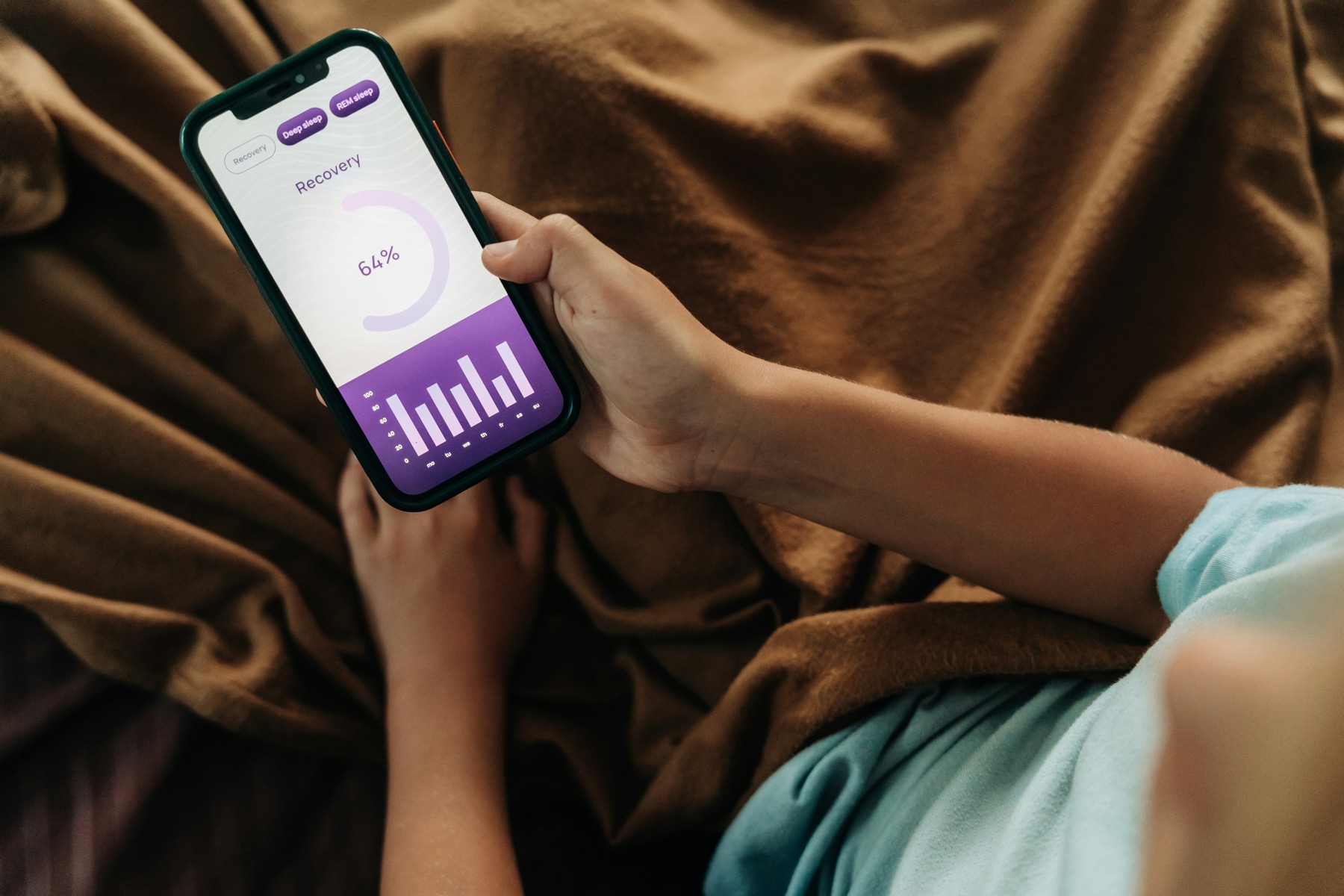
A project manager working through a high-stakes product launch spends seven hours in bed every night but wakes up feeling exhausted. Elevated daytime cortisol keeps his sympathetic nervous system active, causing frequent micro-arousals. While his wearable app shows seven hours of total sleep time, his deep sleep phase is fragmented into brief, ineffective bursts.
Scenario 3: The Night-Shift Worker
A nurse rotating between day and night shifts attempts to sleep during the bright afternoon. Because her circadian rhythm expects daylight, her core body temperature stays elevated, suppressing delta brainwave activity. Despite feeling tired, she spends most of her rest period in Stage N1 and Stage N2 light sleep, leaving her mentally drained.
Scenario 4: The Mindful Optimizer
A professional who optimizes his evening environment by dimming household lights, cooling his room, and following a consistent bedtime routine creates ideal conditions for deep rest. By keeping his sleep environment stable, he maintains strong slow-wave sleep cycles, keeping his energy and focus sharp throughout the day.
Viewing these real-world examples demonstrates why taking a comprehensive approach is vital for long-term health. You can explore this further in our article explaining why sleep is a system governed by interconnected bodily habits.
Expert Takeaway: The Future of Deep Sleep Optimization
For decades, consumer sleep health focused almost entirely on duration, encouraging individuals to simply spend more hours in bed. Today, sleep science is shifting toward quality, continuity, and structural depth.
As wearable technology evolves from passive data collection to active, real-time physiological support, individuals have far greater agency over their rest. Tracking metrics provides valuable insights, but taking gentle, practical steps to protect slow-wave cycles is what yields real physical and mental benefits. By aligning light exposure, physical activity, room temperature, and evening stress levels, you can transform the quality of your nights and experience lasting energy every day.
To learn more about tracking and interpreting your nightly metrics accurately, explore our detailed guide on sleep efficiency.