Definition: A sleep paralysis demon is the frightening “presence” some people sense during sleep paralysis, when the mind wakes before the body can move.
If a sleep paralysis demon has ever seemed to stand near your bed, press on your chest, or whisper from the corner, you are not alone, and you are not “losing it.” The experience can feel deeply real because your brain is awake enough to notice the room, but your body is still in a dream-protective mode. This article will explain what is happening, why the “demon” image is so common, what sensations mean, and how calmer sleep habits can make episodes feel less mysterious.
What is a sleep paralysis demon?
A sleep paralysis demon is not a separate creature or a sign that your room is haunted. It is a vivid interpretation your brain may create during a short overlap between waking awareness and REM sleep, the stage linked with intense dreaming. During REM, the body naturally reduces muscle movement so you do not act out dreams. If awareness returns before that muscle control fully comes back, the result can feel like being trapped inside your own body.
Stories about the sleep paralysis demon appear across cultures because human brains are built to search for causes, especially when fear spikes. In one place, people may describe a shadow person. In another, they may describe a witch, ghost, alien, or intruder. The details change, but the core pattern is similar: temporary immobility, fear, pressure, and a sensed presence.
When people ask “What is sleep paralysis?”, they are often asking two questions at once: “Why could I not move?” and “Why did it feel like someone was there?” Both questions relate to the overlap between REM sleep and waking awareness. Dream-like sensations may continue while you are aware of your surroundings, and fear can make those sensations especially unsettling.
How the sleep paralysis demon happens in the brain
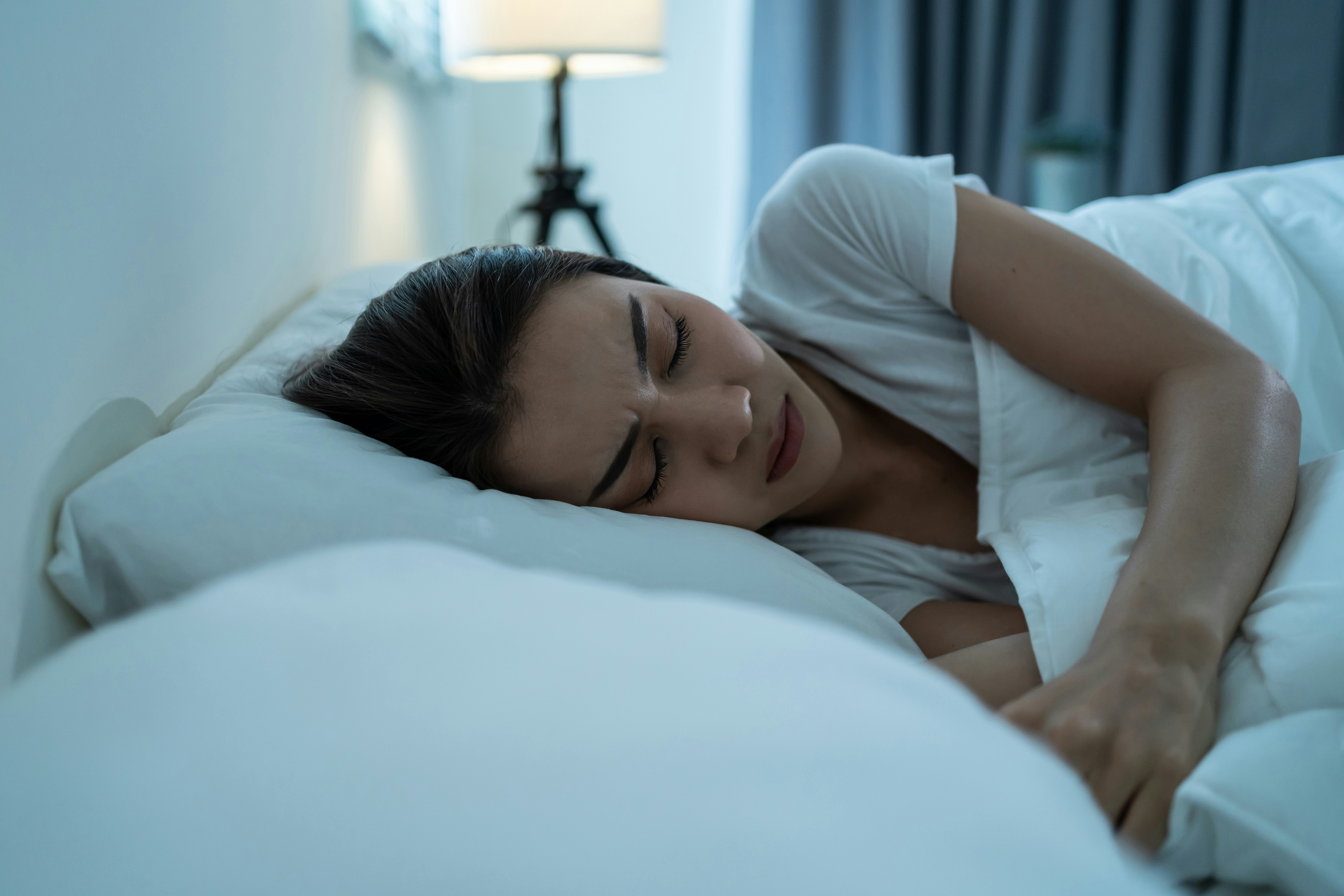
An episode on waking can unfold like this, although not everyone experiences every sensation:
- You enter REM sleep, when dreams tend to be vivid.
- Your body limits major muscle movement for safety.
- Your awareness comes back before that movement pause ends.
- You notice that you cannot move, which can trigger panic.
- Dream-like perception leaks into the waking room.
- You may sense a presence or perceive a figure, sound, or pressure. These sensations can occur together; they do not follow a fixed sequence.
The Cleveland Clinic gives a useful medical overview of sleep paralysis, including the common mix of immobility and hallucination-like sensations. The key point is that the event is usually brief, even when it feels long. Many episodes last seconds to a few minutes.
The analogy: a theater with the lights half on
Imagine a theater where the movie has ended, but the projector is still running while the house lights slowly come on. You can see the room, yet pieces of the film still flash across the screen. Sleep paralysis works in a similar way. Your waking mind sees the bedroom, but the dream system keeps projecting emotion, images, and story fragments.
If you cannot move and your chest feels heavy, the experience may seem like someone is holding you down. This is one way to understand the sensation, rather than a complete explanation of how hallucinations arise. Researchers are still studying why particular images and sensations occur.
Did you know?
Many cultures have a traditional name for this experience. In some places it is described as an old hag sitting on the chest. In others it is a spirit, night visitor, or shadow. That does not prove the figures are real. It shows that humans often translate the same body state into the symbols their culture already understands.
Key components of the experience
Being unable to move while feeling awake is often the most frightening part of sleep paralysis. The experience can include several parts at once, and knowing each one makes the whole event less confusing.
| Component | What it may feel like | Plain-language explanation |
|---|---|---|
| Muscle immobility | You cannot move or call out | REM-related movement pause is still fading |
| Chest pressure | Weight on the chest | Pressure can accompany an episode even though breathing continues |
| Sensed presence | Someone is in the room | A sleep-related hallucination can feel like a nearby presence |
| Visual image | Shadow, face, figure, or shape | Dream imagery overlaps with waking perception |
| Sound | Footsteps, buzzing, whispers | Dream-like sound fragments continue briefly |
| Panic | Racing heart and dread | The alarm system responds to being unable to move |
There are also different “types” of sleep paralysis sensations. Some are mostly physical, like pressure or buzzing. Some are mostly perceptual, like seeing a figure. Others are emotional, where the room feels charged with danger even if nothing clear appears.
The NHS overview of sleep paralysis describes this overlap between awareness and the temporary inability to move. You do not need advanced neuroscience to understand the main point: feeling awake does not always mean that normal muscle control has fully returned.
Types of experiences people call a sleep paralysis demon
People use the same label for several different experiences. That is why sleep paralysis demons can sound wildly different in personal stories, even when the brain process underneath is similar.
Common descriptions include the following. These are examples of experiences, not separate clinical diagnoses:
- The intruder: A shadow, person, or presence seems to enter the room.
- The pressure figure: Something seems to sit on the chest or hold the body down.
- The watcher: A figure stands silently near the bed.
- The sound-based episode: Buzzing, knocking, footsteps, or voices seem to happen nearby.
- The floating or falling episode: The body feels like it is lifting, sinking, or vibrating.
The experience can be more likely when sleep is irregular, stress is high, or sleep is cut short. That does not mean one bad night causes it for everyone. These are associated factors, rather than a certain explanation for any individual episode. If you are working on steadier nights, this guide to sleep regularity explains why a predictable schedule matters.
It also helps to think of the episode as a false alarm. A smoke detector can scream because of burnt toast, not because the house is burning. In the same way, the fear system can scream because your body cannot move yet, not because there is actual danger in the room.
Everyday scenarios
The following hypothetical examples illustrate how an episode might feel in different situations. They are not patient case reports, and the suggested habits are general ways to support sleep rather than proven solutions for each scenario.
1. The student after a short night
A college student stays up late, sleeps only four hours, then naps in the afternoon. During the nap, they wake mentally but cannot move. A dark shape seems to stand by the desk. The room is familiar, yet the dream system is still adding a story.
Habits to consider: a steadier sleep window, less extreme sleep debt, and a calmer pre-nap routine.
2. The traveler with jet lag
A traveler lands in a new time zone and sleeps at an odd hour. They wake on their back and feel pressure across the chest. They think someone is pushing down on them, but the feeling fades after they move a finger.
Habits to consider: light exposure at the right times, a gradual schedule shift when possible, and a cool, quiet sleep space.
3. The stressed professional
A busy professional falls asleep while worrying about work. In the early morning, they wake frozen and hear a buzzing sound. The body’s alarm response rises, and the sound feels sinister.
Habits to consider: a simple wind-down ritual, fewer work cues near bed, and better sleep hygiene basics, such as light control and device boundaries.
4. The new parent with broken sleep
A parent wakes many times at night. One morning, during a brief return to sleep, they feel unable to move and sense someone beside the bed. The sensed presence adds to the distress of waking unable to move.
Habits to consider: protected rest blocks where possible, shared nighttime duties when available, and reassurance that the episode is temporary.
5. The back sleeper
Someone usually sleeps on their side but rolls onto their back. They wake unable to move, notice their breathing, and feel chest pressure. They may also perceive a figure sitting on them.
Habits to consider: side-sleeping cues, a pillow setup that supports comfort, and reducing panic by naming the event while it happens.
What to do after a sleep paralysis demon episode
Once movement returns, give yourself a moment to settle. Feeling shaken afterward is understandable, even when you know what happened. You do not need to rush back to sleep.
Try this gentle reset:
- Orient yourself: Sit up if comfortable and notice your surroundings.
- Use soft light if helpful: Give yourself time to feel fully awake.
- Let your breathing settle: Breathe comfortably without forcing deep breaths.
- Remind yourself what happened: The frightening presence was part of a temporary sleep-related experience.
- Return to rest when ready: Choose a comfortable position. If episodes tend to happen on your back, consider lying on your side.

For broader sleep support, raizz combines an AI sleep wearable, an app, and a charging base. The system is designed to detect sleep patterns and respond with gentle closed-loop vibration, while the app offers guidance grounded in established behavioral sleep science. This general sleep-support role should not be confused with treating sleep paralysis: the information presented here does not establish that raizz can prevent or stop an episode.
Key takeaway: understanding the experience
A sleep paralysis demon can feel intensely real because the experience combines waking awareness with sleep-related sensations. Understanding that overlap may make the experience less frightening. The event may still feel uncomfortable, but it becomes easier to recognize: “My REM system has not fully handed control back yet.”
A practical starting point is to protect enough time for sleep, keep a consistent schedule, and make room to unwind before bed. These habits support sleep health, although they cannot guarantee that episodes will stop. The CDC guide to sleep also emphasizes consistent sleep habits.
If episodes are frequent, very distressing, linked with sudden muscle weakness during the day, or paired with strong daytime sleepiness, consider speaking with a qualified health professional. A clinician can assess whether another sleep condition may be contributing.
raizz
Your Tomorrow Starts Tonight.
raizz helps make the hidden patterns behind restless nights easier to understand.
Sleep paralysis demon FAQ
Is a sleep paralysis demon dangerous?
The experience can feel dangerous, but the “demon” itself is a perception created during a mixed sleep-wake state. The episode is usually brief. If it happens often or causes major distress, it is wise to discuss it with a qualified professional.
Why do I see a shadow figure during sleep paralysis?
Your brain is awake enough to sense the room, but dream imagery and fear processing may still be active. The mind may turn vague shapes, darkness, and panic into a figure. This is why shadow-like forms are so common.
Can sleep position affect episodes?
Some people report more episodes when sleeping on their back. The NHS lists back sleeping as a factor that can make sleep paralysis more likely. Side sleeping may help some people, though it does not guarantee prevention.
Are sleep paralysis demons the same across cultures?
The core experience is similar, but the story changes. One culture may describe a ghost, another a witch, and another an intruder. This suggests the brain uses familiar symbols to explain an unusual body state.
What should I do during an episode?
Remind yourself that the episode is temporary and let your breathing stay comfortable. You can try a small movement, such as moving a finger, but there is no reliable way to end an episode immediately. Avoid struggling to force your whole body upright.
Why does it happen when I am falling asleep or waking up?
Those are transition zones. Sleep systems are switching modes, and sometimes awareness, dreaming, and muscle control do not line up perfectly. The overlap can create a brief, frightening experience.
Can better sleep habits reduce the chance of episodes?
They may help by making sleep more stable. A steady schedule, a calming wind-down, less sleep loss, and a supportive sleep environment can reduce strain on the sleep-wake system. These habits may lower the risk for some people, but recurring or distressing episodes deserve an individual assessment.


