Definition: Sleeping Heart Rate by Age is the expected range of heartbeats per minute during sleep for people at different life stages, shaped by growth, fitness, hormones, stress, and recovery.
Your heart does not clock out when you do. It lowers the lights, shifts into a quieter rhythm, and keeps the body supplied while the brain sorts memories, repairs tissue, and resets energy. Understanding Sleeping Heart Rate by Age can help you tell the difference between normal nightly variation and a pattern worth paying attention to.
This guide explains the concept in plain language first, then gets more practical. You will learn how nighttime pulse works, why age matters, what typical ranges look like, and how to interpret your own numbers without turning every wearable graph into a worry spiral.
Why Sleeping Heart Rate by Age Matters
Most people know their daytime pulse better than their nighttime pulse. Yet sleep is when the nervous system often reveals how well the body is settling down. A lower sleeping heart rate usually reflects a shift toward rest-and-repair mode, while a higher one can reflect stress, alcohol, heat, late meals, illness, poor timing, or hard training.
The key word is pattern. One elevated night is usually less useful than a two-week trend. If your pulse rises for several nights in a row, your body may be waving a small flag before you feel fully run down.
Authoritative health sources such as the American Heart Association and MedlinePlus explain that resting pulse varies with age, fitness, medications, temperature, emotion, and overall health. Nighttime pulse follows many of the same rules, but it is filtered through sleep stages and recovery needs.
I tried tracking my own sleep pulse during a month of normal work, travel, and exercise. The number that taught me most was not my “best” low reading. It was the steady rise after late dinners and short sleep, followed by a drop when my bedtime became more regular.
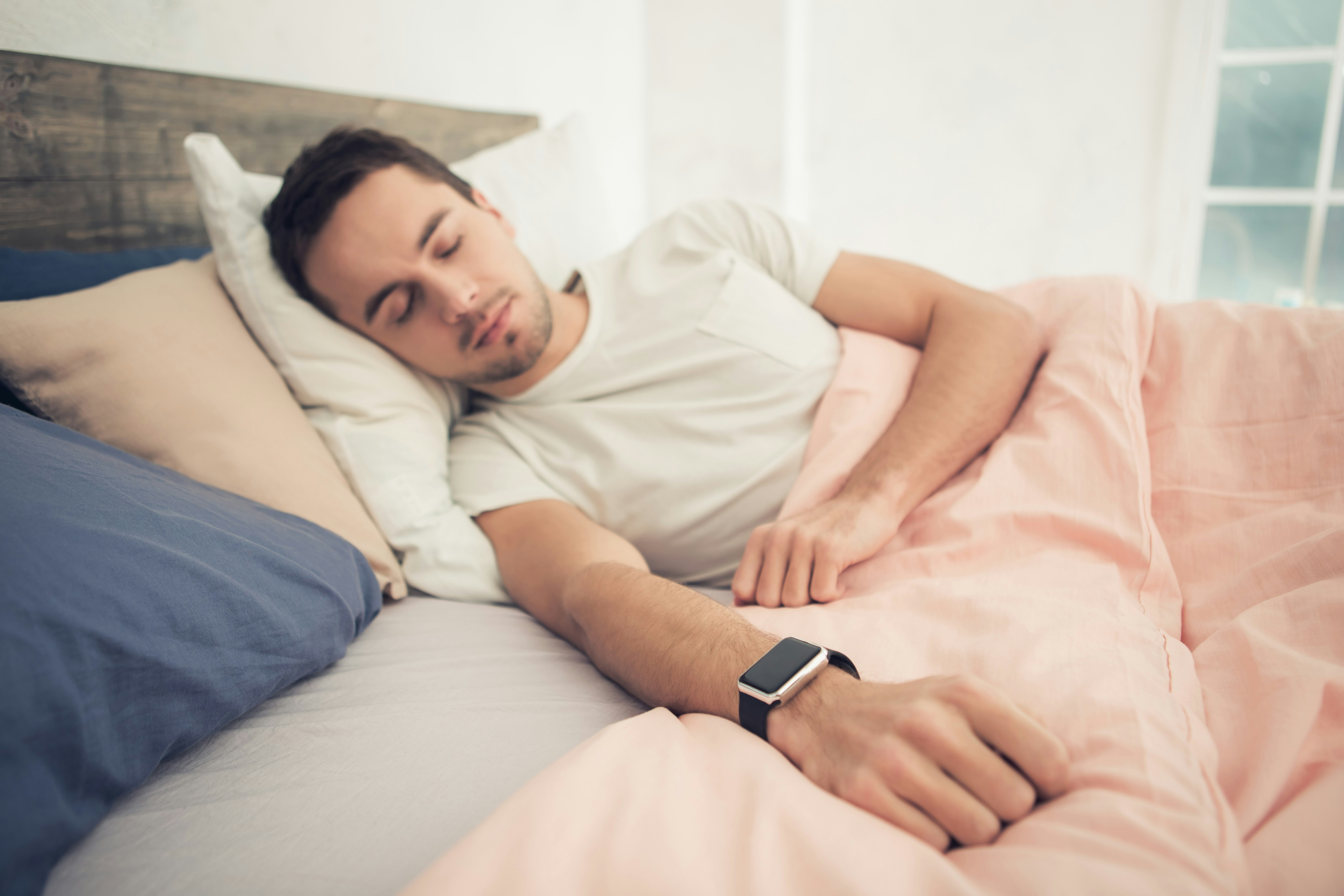
Sleeping Heart Rate by Age: How the Body Sets Its Nighttime Pace
How it works
During sleep, your heart rate is controlled by a push-pull system. The sympathetic nervous system acts like an accelerator, helping you respond to effort, stress, heat, or alertness. The parasympathetic nervous system acts more like a brake, helping the body settle.
As you move through light sleep, deep sleep, and REM sleep, the balance changes. Deep sleep often brings the lowest pulse of the night. REM sleep can be more variable because the brain is active, dreams may occur, and the body’s internal signals become less steady.
A simple way to picture it:
- Before sleep: heart rate may still reflect your day, including caffeine, stress, exercise, or screens.
- Early sleep: pulse usually begins to fall as the body shifts toward recovery.
- Deep sleep: pulse often reaches its lowest, steadiest zone.
- REM sleep: pulse may rise or fluctuate.
- Near waking: pulse often climbs as the body prepares for morning.
The CDC sleep hub notes that sleep supports many body systems, including cardiovascular and metabolic health. That is why nighttime pulse is not just a fitness stat. It is one window into how your body handles recovery.
The Analogy: your heart as a house thermostat
Think of your sleeping heart rate like a thermostat at night. In a calm, well-insulated house, the system does not work very hard. It makes small adjustments and stays stable. In a drafty house, the thermostat keeps switching on, even if nothing dramatic seems to be happening.
Your body works the same way. A cool room, steady sleep schedule, relaxed mind, and good recovery let your heart “run quietly.” A heavy meal, worry, alcohol, dehydration, or an overheated bedroom can make the system work harder.
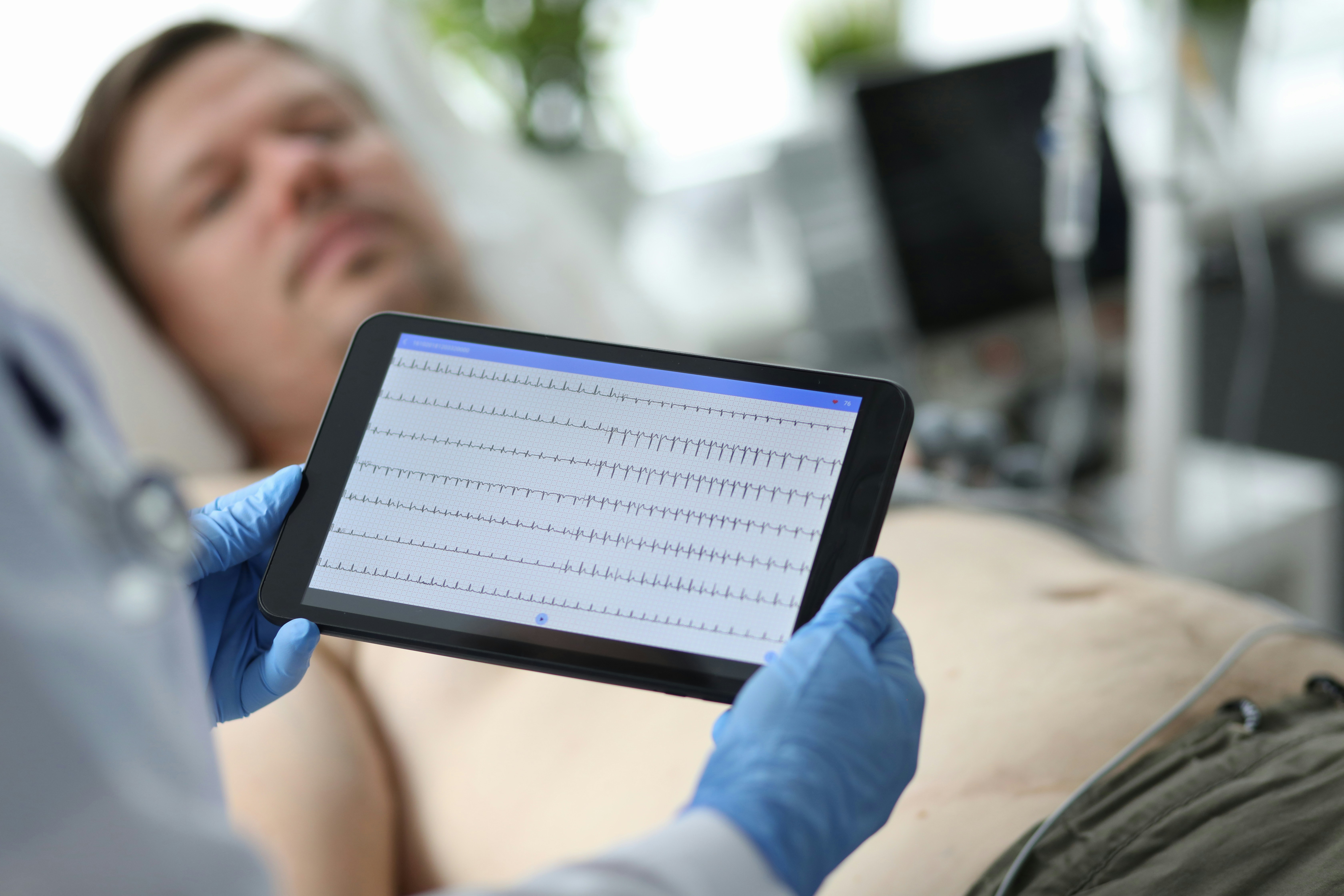
Did you know?
Your lowest heart rate often does not happen the second you fall asleep. For many people, it appears during deeper sleep in the first half of the night. That is why a wearable may show your lowest pulse around 2 a.m., even if you went to bed at 10:30 p.m.
Typical Sleeping Heart Rate by Age Ranges
There is no single perfect number. Use Sleeping Heart Rate by Age as a general map, not a grade. Children naturally have faster heart rates than adults because their bodies are smaller, growing, and metabolically active. Fit adults may run lower, while older adults may see more influence from medications, health history, and changes in recovery.
| Age group | Typical sleeping heart rate range | What to know |
|---|---|---|
| Newborns | 90 to 160 bpm | Fast pulse is expected because metabolism is high |
| Infants | 80 to 140 bpm | Still faster than older children and adults |
| Toddlers | 70 to 120 bpm | Activity level and growth affect the range |
| School-age children | 60 to 110 bpm | Sleep stage changes can create noticeable variation |
| Teens | 50 to 100 bpm | Fitness, stress, and hormones can shift patterns |
| Adults 18 to 64 | 40 to 80 bpm | Many healthy adults sleep below daytime resting pulse |
| Adults 65+ | 50 to 90 bpm | Medications and health history may influence readings |
These ranges are broad because human bodies are broad. An endurance athlete sleeping at 42 bpm may be normal for that person. Another adult at 78 bpm may also be within a reasonable range, especially during stress, recovery from travel, or after a late workout.
For the related question what is the average pulse rate, many adults are often cited around 60 to 100 bpm while awake at rest. During sleep, many people fall below that range for parts of the night, especially during deeper sleep.
Key Components That Shape Your Nighttime Pulse
Sleeping pulse is not controlled by age alone. Age sets the background, but daily inputs write the nightly script.
1. Sleep stage
Deep sleep usually lowers heart rate. REM sleep often raises or varies it. If your night has less deep sleep or more awakenings, your average pulse may look higher.
2. Fitness level
Regular aerobic training can lower resting and sleeping heart rate over time. The heart becomes more efficient, so it pumps more blood with each beat.
3. Stress and emotional load
A stressful day can keep the nervous system alert. Even if you fall asleep, your body may still carry the “hum” of the day into the night.
4. Alcohol, caffeine, and late meals
Alcohol may make someone feel sleepy at first, but it can raise heart rate and fragment sleep later. Caffeine can linger for hours. Heavy late meals can keep digestion active when the body is trying to downshift.
5. Temperature and hydration
A hot room can raise pulse because the body works to cool itself. Dehydration may also push heart rate higher because the heart has to maintain circulation with less fluid volume.
6. Illness and recovery
When your immune system is active, heart rate often rises. A higher-than-usual sleeping pulse can sometimes appear before you notice other signs of being unwell.
7. Medications and health conditions
Some medications can raise or lower pulse. If your numbers change suddenly or you feel dizzy, faint, short of breath, or have chest discomfort, contact a qualified health professional.
Real-World Examples of Nighttime Heart Rate in Action
Example 1: The late workout
You finish a hard interval session at 8:30 p.m. and go to bed at 10:30 p.m. Your legs are tired, but your heart rate stays higher than usual for the first half of the night. This can happen because body temperature, adrenaline, and recovery processes remain active.
A practical fix is not always “exercise less.” It may be to move intense workouts earlier, cool down longer, hydrate well, and watch whether the pattern improves.
Example 2: The stressful presentation
Your bedtime is normal, your room is cool, and you skip alcohol. Still, your sleeping heart rate is 8 bpm above your baseline. The missing variable is tomorrow’s presentation.
This is where tracking can build self-awareness. A short wind-down routine, light stretching, journaling, or calm audio may help the body shift out of alert mode.
Example 3: The warm bedroom
You sleep in a room that feels cozy at bedtime but gets warm by 2 a.m. Your heart rate rises, and you wake more often. The body is working like an air conditioner with a clogged filter.
Try cooler bedding, airflow, or a lower room temperature. Compare a week of data rather than one night.
Example 4: The weekend schedule swing
You sleep from 11 p.m. to 7 a.m. on weekdays, then 2 a.m. to 10 a.m. on weekends. Your average sleeping pulse looks less steady, and Monday feels harder.
This is why sleep timing matters. If this sounds familiar, the guide to sleep regularity explains why consistent timing can make recovery feel smoother.
Example 5: The efficient sleeper
Two people both spend eight hours in bed. One sleeps seven and a half hours, while the other sleeps six hours with many awakenings. Their heart rate graphs may look very different because the second person’s body keeps shifting back toward alertness.
If you want to connect pulse to actual time asleep, this overview of sleep efficiency is a helpful next step.
How to Interpret Sleeping Heart Rate by Age Without Overreacting
The most useful question is not “Is my number perfect?” It is “Is this normal for me, and is the trend changing?” A personal baseline matters more than a one-night comparison with a friend, athlete, or chart.
Use this simple interpretation ladder:
- Start with your baseline. Look at 14 to 30 nights, not one night.
- Check context. Note alcohol, caffeine, training, stress, travel, illness, room temperature, and bedtime.
- Compare similar nights. A Monday after travel is not the same as a calm Thursday.
- Watch the direction. A steady rise may matter more than one high reading.
- Pair pulse with how you feel. Morning energy, mood, and alertness add meaning.
- Know when to ask for help. Sudden major changes, very low pulse with symptoms, very high pulse, fainting, chest discomfort, or breathing trouble deserve professional guidance.
Research shows that heart-rate-linked sleep stimulation is an active area of study. For example, Kwon et al. 2024 found that weak, individually heart-rate-matched vibration was associated with improvements in sleep continuity and related physiology in a small full-night crossover study. This does not mean every device or method works the same way, but it shows why heart rhythm during sleep is becoming more important in sleep technology.
raizz fits into this conversation because sleeping heart rate is not just a number to admire in the morning, it is a signal your body uses while sleep unfolds. raizz is an AI sleep wearable brand. It does not just track sleep, it actively improves it through real-time closed-loop vibrations. The raizz Band, app, and charging base are designed to detect sleep stages and emerging arousal patterns, then respond with gentle vibration before a predicted micro-awakening. Its guidance is grounded in established behavioral sleep science, helping users connect patterns, habits, and next-day choices.
For everyday improvement, start with the low-friction basics. Keep a consistent wake time, get morning light, avoid heavy late meals, cool your room, and create a repeatable wind-down routine. This practical guide to sleep hygiene can help you build the foundation before you overanalyze the graph.
Expert Takeaway
Sleeping heart rate is becoming a practical recovery signal because it sits at the crossroads of age, fitness, stress, sleep stage, and daily behavior. Age-based ranges give you the outer frame, but your own baseline gives you the story.
The future value of Sleeping Heart Rate by Age is not that everyone will chase the lowest possible number. A very low number is not automatically better, and a higher number is not automatically bad. The real value is learning how your heart responds to your life, then using that feedback to make calmer, smarter choices.
Think of your nighttime pulse as a quiet narrator. It does not shout, and it does not explain everything. But when you listen over time, it can tell you whether your body is coasting, coping, or asking for a gentler tomorrow.
raizz
Your Tomorrow Starts Tonight.
raizz turns nighttime heart signals into clearer choices for better mornings.