Definition: Dreams are sensory, emotional, and thought-like experiences that occur during sleep. Scientists can describe how dreaming relates to brain activity and memory, but there is still no single proven answer to why we dream.
Why we dream remains one of sleep science's most interesting open questions. Dreams can feel vivid and personal, yet their plots often combine recent events, older memories, emotions, and unlikely details. That mix has inspired many explanations, from memory processing to emotional rehearsal.
The careful scientific answer is not that dreams have one universal purpose. Dreaming occurs in both REM and non-REM sleep, and several theories may explain different parts of the experience. This guide separates what researchers know from what remains uncertain, explains what are dreams in practical terms, and offers a grounded way to think about what do dreams mean.
Why We Dream Begins With How Sleep Works
Sleep is not a single, inactive state. The brain cycles through non-REM stages and rapid eye movement (REM) sleep several times across a typical night. The National Heart, Lung, and Blood Institute describes sleep as an active process that supports healthy brain and body function.
Dreams can occur in every sleep stage. Reports collected after REM awakenings are often longer, more vivid, emotional, and story-like, while non-REM reports may be shorter or more thought-like. That distinction is a tendency, not a rule. A recent scientific review notes that dreaming is closely associated with REM sleep but also occurs during non-REM sleep, with overlapping forms of mental experience.
Across the night, REM periods usually become longer toward morning. This helps explain why a vivid dream may be easier to remember after waking naturally near the end of the night. It does not mean that dreaming only begins before morning.
What Happens in the Brain When We Dream?
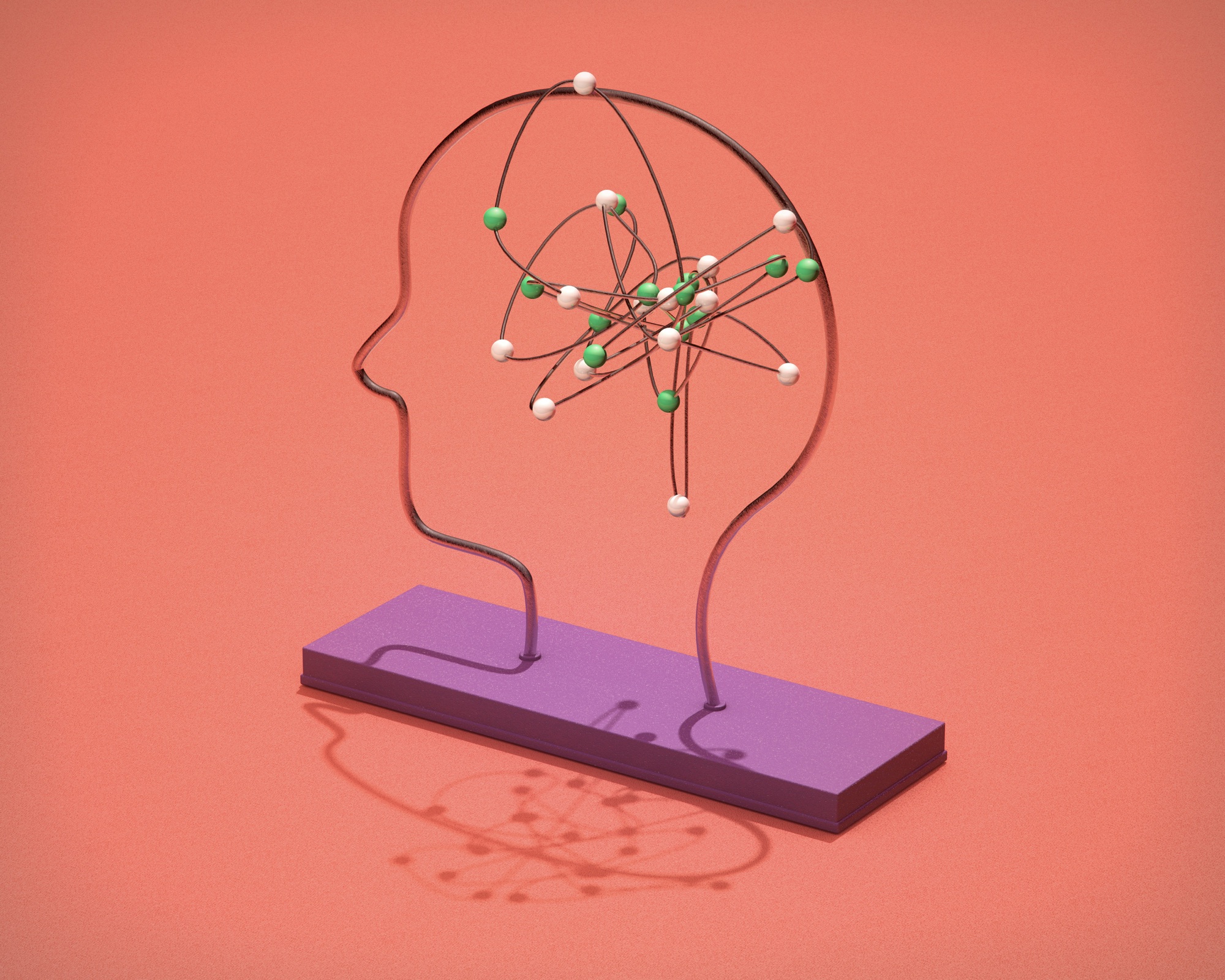
The sleeping brain continues to generate perceptions and emotions even though it is receiving less information from the outside world. During REM sleep, networks involved in visual imagery, memory, and emotion can remain active, while some systems involved in deliberate reasoning and reality checking operate differently than they do when awake.
This combination helps explain a familiar feature of dreams: an impossible situation can feel completely convincing until you wake. A room may become a train station, a childhood friend may appear at your current workplace, and time may jump without seeming unusual.
Researchers cannot watch a dream directly. They measure brain activity, wake participants at controlled times, collect dream reports, and compare those reports with sleep stages or earlier experiences. This creates an important limitation: the science of dreaming depends partly on what a person remembers and can describe after waking.
Leading Theories About Why We Dream
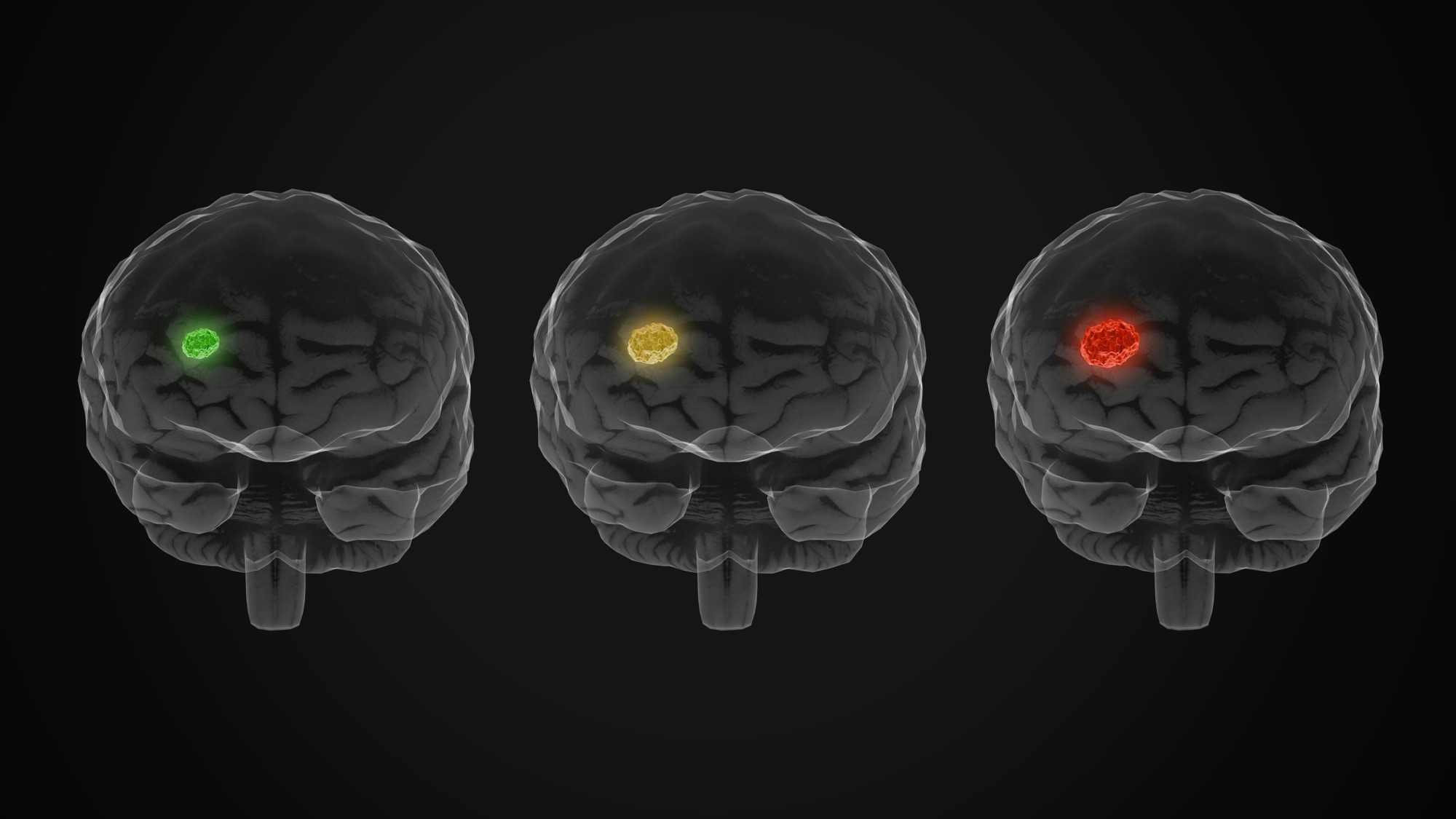
No theory has settled the question of why we dream. Instead, researchers use several models that address different observations. These models are not mutually exclusive, and evidence that sleep supports a process does not automatically prove that dreaming itself causes the benefit.
| Theory | Main idea | What it may explain | Important limitation |
|---|---|---|---|
| Memory processing | Dream content reflects memories being reactivated and reorganized during sleep | Why recent experiences appear in altered forms | Memory consolidation can occur without a remembered dream |
| Emotional processing | Dreams reflect overnight work involving emotional memories | Why dreams often carry strong feelings | Evidence does not support a universal emotional message |
| Threat simulation | Dreams rehearse danger or social challenges | Chase, failure, and conflict dreams | Many dreams are ordinary, positive, or nonsensical |
| Activation-synthesis | The brain builds a narrative from internally generated activity | Sudden changes and bizarre combinations | A generated story can still draw on meaningful memories |
| Predictive processing | The sleeping brain continues testing internal models of the world | Simulation, expectation, and unusual scenarios | This remains difficult to test directly |
Memory processing
The strongest cautious link is between dreaming and memory. A review on dreaming and offline memory consolidation concludes that memory reactivation during sleep appears to influence dream content. Recent experiences rarely return as exact recordings. Instead, pieces of new information may combine with older knowledge.
That finding supports a limited claim: memory processing can shape dreams. It does not prove that every dream performs a necessary memory function, or that interpreting a dream reveals exactly what the brain stored.
Emotional processing
Dreams frequently contain fear, frustration, attachment, embarrassment, or relief. Research has linked sleep, especially REM sleep, with emotional-memory processing, but the role of the conscious dream remains unresolved. A dream may reflect emotional material without solving it.
This distinction matters. Waking after an argument dream does not mean the dream predicted conflict or delivered a hidden instruction. It may show that a concern remained available to the sleeping brain.
Simulation and spontaneous storytelling
Threat-simulation accounts suggest that dreams provide a low-risk space for rehearsing challenges. Activation-synthesis accounts emphasize the brain's tendency to organize internally generated signals into a story. Predictive-processing models treat dreams as simulations produced while the brain is relatively disconnected from current sensory input.
Each model explains something, but none explains every dream. The most honest answer to why we dream may involve several processes rather than one nightly purpose.
What Do Dreams Mean?
When people ask what do dreams mean, they often want a dictionary: falling means one thing, water means another, and losing a phone means something else. Science does not support universal symbol definitions.
Dreams can still feel meaningful because they use material from your own life. The useful question is not “What does this symbol always mean?” but “What did this experience feel like, and what recent event carried a similar feeling?” The answer will differ between people.
Consider three examples:
- An exam dream years after school may borrow an old setting associated with evaluation, but it does not identify the cause of current stress.
- A dream about a lost phone could reflect a practical concern, a recent memory, or a broader feeling of disconnection. The object has no fixed meaning.
- A creative dream may connect ideas that felt unrelated while awake. The association can be useful without being a supernatural message.
Dream interpretation is safest when treated as reflection, not diagnosis. Recurring nightmares, dream enactment, or distress that affects daytime life deserves professional attention rather than symbolic interpretation alone.
Why We Forget Most Dreams
Most dream experiences do not become durable waking memories. Recall is more likely when a person wakes during or shortly after a dream, especially when the experience is vivid or emotional. Attention also matters: immediately turning to a phone or morning task can displace a fragile memory.
Alcohol, some medications, irregular sleep, stress, and changes in sleep timing can also alter dream recall or content. Remembering fewer dreams does not necessarily mean you stopped dreaming, and frequent recall does not prove that you dream more than other people.
If you want to remember dreams, keep a notebook nearby and record a few words before getting out of bed. Note the scene, strongest emotion, and one memorable detail. Our dream journal guide explains how to look for patterns without treating each entry as a prediction.
Can Better Sleep Change Dreaming?
More consistent sleep can change the opportunity to reach later REM periods and the timing of awakenings that make recall possible. It may therefore change what you remember about dreaming. The goal, however, should not be to maximize REM estimates or chase a particular kind of dream. Consumer wearables infer sleep stages; they do not measure dreams or explain their meaning.
raizz is an AI sleep wearable designed to support sleep in real time rather than only summarize it the next morning. The raizz Band detects sleep stages and uses closed-loop, gentle vibration before a predicted micro-awakening, while its companion app connects nighttime patterns with behavioral sleep guidance. Third-party research suggests that weak, heart-rate-matched vibration can support sleep continuity, but that evidence is not a clinical validation of any individual dream or its meaning. For dreaming, the useful goal remains steadier sleep and clearer context, not decoding the night through a device.
A Practical Way to Reflect on Dreams
Dreams can be explored without assuming that every detail hides a message. Try this five-step method:
- Write a short factual description before adding an interpretation.
- Name the strongest emotion in the dream and after waking.
- Mark any element that clearly came from recent life.
- Ask whether a current concern has a similar emotional pattern.
- Compare several entries before drawing a conclusion.
This approach respects the personal value of a dream while acknowledging uncertainty. A pattern across weeks may be more informative than one dramatic night.
Frequently Asked Questions
Do we only dream during REM sleep?
Why do dreams feel real?
Do dreams always have meaning?
Can dreams predict the future?
When should nightmares be discussed with a professional?
Conclusion: What We Know About Why We Dream
Science does not yet have one final explanation for why we dream. Dreams arise from an active sleeping brain and are influenced by memory, emotion, internal signals, and imagination. Memory consolidation and emotional processing are plausible contributors, but dreaming itself should not be presented as a proven treatment or coded message.
The most useful response is curiosity with restraint. Record what you remember, notice emotional and life context, and compare patterns over time. A dream can be personally meaningful without being a prophecy, diagnosis, or universal symbol.
raizz
Your Tomorrow Starts Tonight.
Explore how raizz supports more stable sleep in real time.


