Do Naps Affect Deep Sleep?
What Nap Timing Really Changes
 8 min read ·

A quiet afternoon break becomes a nap before you planned it.
You wake feeling better, then wonder whether that borrowed sleep will make tonight lighter, later, or harder to begin.

Sleep, improved in real time
Get early access to better, more stable sleep.
You settle into a chair with a book, afternoon light filling the room. Ten quiet minutes turn into sleep, and you wake unsure whether the pause helped or borrowed from the night ahead. If you are asking do naps affect deep sleep, the useful answer is not a blanket yes or no. A nap changes how much pressure to sleep has accumulated, but its effect depends on timing, length, recent sleep, and your own pattern.
A nap changes one of several inputs that shape the night, but it does not decide how much deep sleep you will get. It may contain deep sleep, change how sleepy you feel at bedtime, or leave the night almost unchanged. Look at sleep latency, total sleep time, nighttime waking, continuity, and next-day functioning rather than one stage estimate alone.
1. Do naps affect deep sleep at night?
Naps can affect deep sleep at night because sleep during the day reduces some of the pressure built up while awake. The effect is not fixed. A short early nap may have little noticeable impact, while a longer or later nap may delay sleep onset or change early-night deep sleep.
The strongest direct evidence is more limited than online advice suggests. In a small laboratory study of healthy young men, an early-evening nap was followed by longer nighttime sleep latency and lower early-night slow-wave activity. The study used a specific schedule and group, so it does not show that every nap reduces deep sleep for every person.
Recent sleep matters too. After a short night, the body may carry more sleep pressure into both the nap and the next night. After adequate sleep, the same nap may have a different effect. Judge the result against your pattern, not one bedtime.
2. What does sleep pressure tell us about deep sleep?
Sleep pressure is the growing drive to sleep that builds during wakefulness and eases during sleep. More time awake usually creates more pressure, while a nap releases part of it. This helps explain why a late nap can make bedtime feel less compelling without making the nap inherently harmful.
Sleep is shaped by at least two interacting processes. Homeostatic pressure reflects time awake and time asleep. Circadian timing helps organize when the body is more ready for sleep or alertness. A review of sleep homeostasis and circadian timing explains how these processes interact rather than acting independently.
A nap does not remove a fixed amount of pressure. Its effect depends on whether you slept, how deeply, how long, and where the nap fell in your circadian day. Pressure then builds again during the time awake before bed.
Imagine taking the same nap at 1 p.m. and 6 p.m. The earlier nap leaves several hours for sleep pressure to build again, while the later nap sits much closer to bedtime. Circadian timing changes across those hours, so the two naps may not affect the night equally.
Seeing sleep as the product of these interacting processes explains why getting more deep sleep is not about forcing one stage. Sleep opportunity, timing, and continuity create the conditions in which normal architecture can unfold.
3. Nap timing and length change the trade-off
An earlier nap leaves more waking time before bed, which gives sleep pressure more time to rebuild. A later nap sits closer to the night and may compete more directly with sleep onset. Longer naps also create more opportunity to move into deeper sleep, though sleep stages do not follow a precise timer.
A review of short naps and sleep inertia found mixed evidence that naps of 30 minutes or less consistently avoid deeper sleep and grogginess. Prior wake time, time of day, and individual differences all influenced what happened. That makes “20 minutes for everyone” a useful experiment, not a biological law.
If naps regularly make bedtime harder, change one variable at a time. Move the nap earlier before making it shorter, or shorten it before removing it. Keep the rest of your sleep hygiene habits reasonably stable so the result is easier to interpret.
4. Why can a nap leave you feeling worse?
Post-nap grogginess is called sleep inertia. It is the temporary transition from sleep to full alertness and can feel stronger when you wake from deeper sleep, nap at an unfavorable biological time, or begin the nap carrying substantial sleep loss.
Sleep inertia can affect attention, reaction time, and how awake you feel. It describes the period after waking, not the quality of the entire day or night. It also does not show whether nighttime deep sleep changed.
Allow a buffer between a nap and tasks that require sharp decisions. Light, movement, and time awake may help you feel more alert, but no routine guarantees an immediate reset. If you must drive, operate equipment, or make safety-critical decisions, do not assume you are ready the moment an alarm sounds.
Frequent unplanned naps or sleepiness that interferes with daily life deserves attention beyond nap technique. Ongoing sleep loss, medications, shift work, and sleep disorders can all contribute. A clinician can help evaluate persistent or concerning patterns.
5. Do naps affect deep sleep scores on a wearable?
A wearable may show a different deep-sleep percentage after a nap, but that number is an indirect stage estimate, not a direct EEG measurement. The percentage can also change because total sleep time changed, even when the estimated minutes of deep sleep did not.
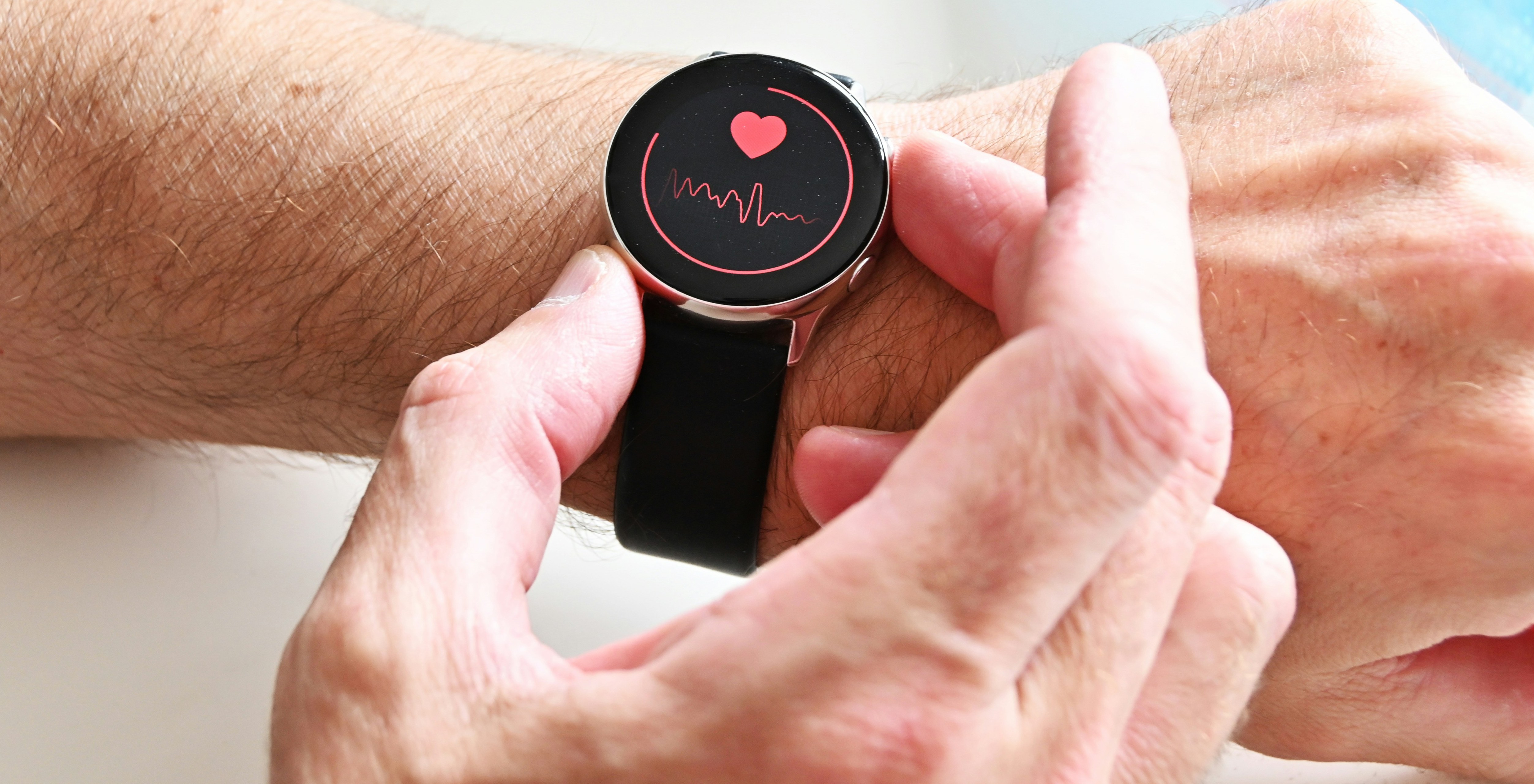
Consumer wearables infer sleep from peripheral signals such as movement and heart-rate patterns. A 2024 evaluation of consumer sleep technologies found that performance varied by device and metric when compared with polysomnography. This makes stage estimates more useful for cautious pattern-finding than for judging one night as a success or failure.
Look at the denominator before reacting to a percentage. If estimated deep sleep stays at 70 minutes while total sleep grows, its percentage falls even though the minutes do not. A lower share is not automatically a loss.
Review several nights and pair stage estimates with total sleep time, sleep latency, nighttime waking, continuity, and next-day functioning. Our guide to sleep health metrics explains why those measures provide more context than a single stage score.
6. Where raizz fits: making nap effects easier to see
A nap is one input in a larger sleep system. Its effect can be hard to read when bedtime, caffeine, stress, and sleep opportunity also change. Keeping a brief note of nap timing alongside the nighttime pattern can make those relationships easier to examine.
The raizz companion app uses a personalized, CBT-I-informed framework to support sleep-related behavior over time. It asks you to log your naps, including when you napped and how long you slept, and it also records habits in your daily routines, napping among them.
Those entries become one of many inputs the app uses to describe your sleep pattern. Alongside what the wearable records, it looks at how your naps line up with measures such as estimated deep sleep, total sleep time, sleep latency, sleep efficiency, resting heart rate variability, and resting heart rate, then tries to surface patterns across what you log and what the data shows.
For someone who naps, the useful question is whether nap timing repeatedly coincides with changes in sleep latency, nighttime waking, or next-day functioning, not whether one deep-sleep percentage moved.
Overnight, the wearable responds to signs of restlessness inferred from peripheral signals such as movement and heart-rate patterns, using gentle rhythmic vibration as an adaptive input. That response is separate from the question of whether a nap changed deep sleep, which still requires context across multiple nights.
This support complements healthy sleep habits and clinical care rather than replacing them. Persistent daytime sleepiness, repeated unplanned naps, loud snoring, gasping, or sleep difficulty should be discussed with a clinician.
What nap timing really changes
Hold onto three things. First, a nap can reduce sleep pressure, but it does not automatically erase deep sleep from the night. Second, timing and length shape the trade-off between daytime alertness and readiness for bedtime. Third, a wearable estimate needs context from total sleep time, latency, continuity, and how you function the next day.
Choose one nap pattern to test for several days, then compare it with similar no-nap days. If bedtime shifts later or sleep becomes less continuous, move the nap earlier or shorten it. The aim is not to protect a perfect stage percentage. It is to find a daytime choice that supports the full sleep pattern you need.
Frequently Asked Questions
A 20-minute nap may reduce some sleep pressure, but it does not automatically reduce deep sleep that night. Its effect depends on when you nap, whether you actually sleep, your recent sleep history, and your usual bedtime. Treat the duration as a planning tool rather than a guarantee.
There is no single cutoff that suits everyone. A nap closer to your usual bedtime leaves less time for sleep pressure to rebuild, so it may be more likely to delay sleep onset. If bedtime becomes harder after late naps, move the nap earlier, shorten it, or compare with a no-nap day.
You may wake while the brain is still shifting out of sleep, a temporary state called sleep inertia. It can feel stronger after deeper sleep, during the biological night, or when you began the nap with substantial sleep loss. Give yourself time to become fully alert before judging whether the nap helped.
Not necessarily. A nap may improve alertness when you are short on sleep, but a long or late nap may also make the next bedtime harder. Consider what you need to do safely that day, then watch whether the nap changes sleep latency, total sleep time, or next-day functioning.
More Articles You Might Like




Have questions, want to join us, or simply want to connect? We'd love to hear from you. Feel free to reach out at
[email protected]