Eating Late and Sleep: How Dinner Timing Changes Your Night
 8 min read ·

Dinner does not end when the plate is empty.
When you eat late, your body is still working on that meal as the night begins.
Sleep, improved in real time
Get early access to better, more stable sleep.
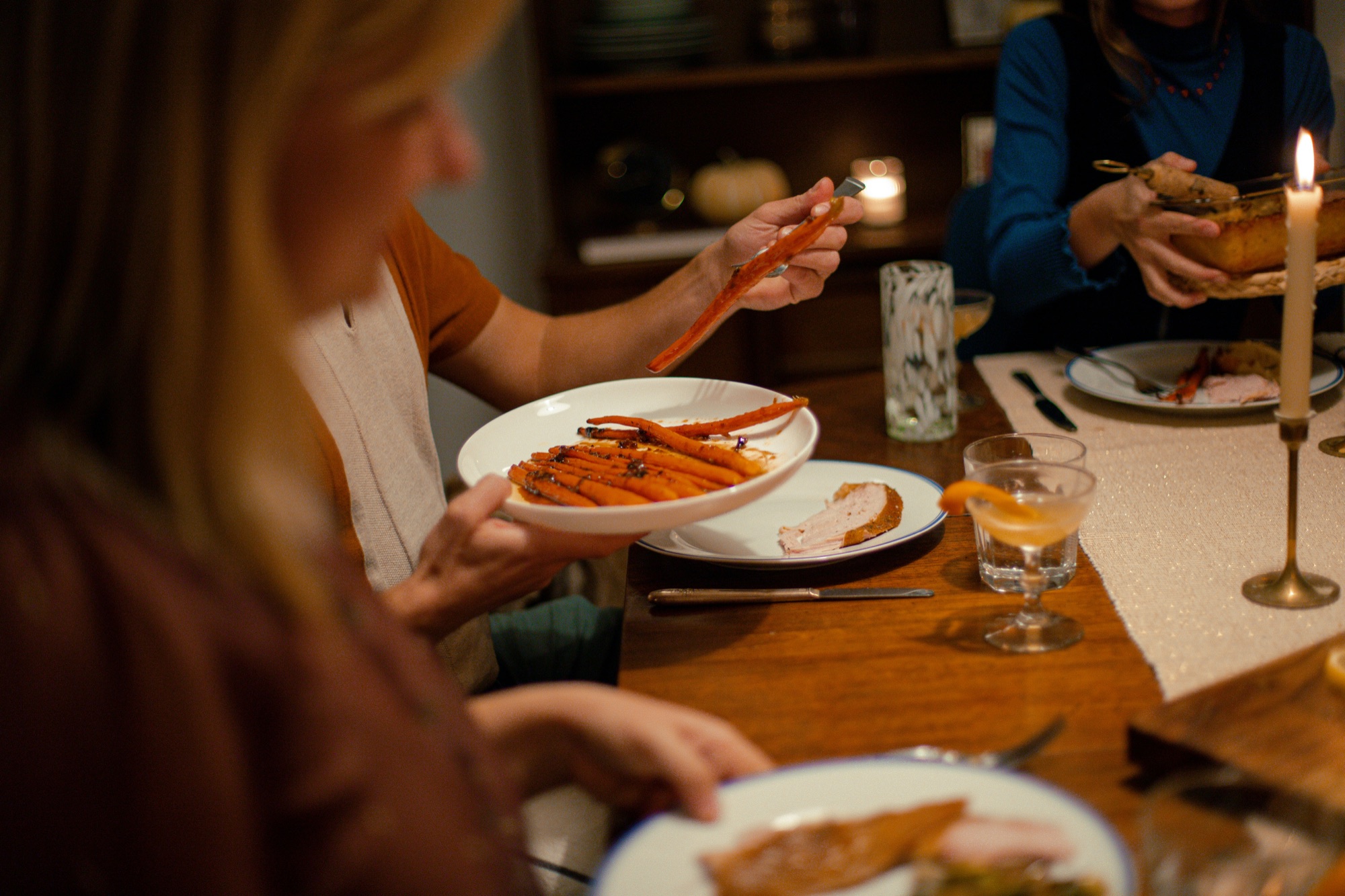
Work runs late, so dinner happens at nine. You are in bed by half past ten, yet you wake twice before morning. The next day you wonder whether eating late and sleep are connected, or whether it was just a bad night.
Here, eating late means finishing your last real meal close to the time you go to sleep. The clock time matters less than the gap between the meal and your night.
That gap matters because a meal keeps your body busy for some time after you stop eating. Below, we follow that after-dinner period into the night and explain how raizz supports your sleep when dinner runs late.
1. What changes in your body after dinner?
After a meal, your body sends more blood to the gut to digest and absorb food. To do that, the heart pumps more blood each minute, and heart rate usually rises. Blood sugar and other nutrients in the blood also rise for a while. A larger meal tends to make these changes bigger and longer.
In a small study of four healthy adults, every meal increased how much blood the heart pumped, through a faster heart rate and stronger beats. The increase peaked 30 to 60 minutes after eating. Two hours after a small meal, it was nearly back to normal. After a meal two and a half times larger, it was still clearly raised.
A later trial in 20 healthy adults found that blood flow to the gut grew with the calories in the meal. None of this is a problem in itself. It is what digestion looks like, and it takes a few hours to settle.
2. What happens when the after-dinner period reaches your sleep?
When you eat late, the hours your body spends handling the meal move into the start of your night. In laboratory studies of healthy young adults, a late dinner led to higher blood sugar and higher cortisol during sleep. Standard sleep stages, however, looked much the same as after an earlier dinner.
In a randomized crossover trial, 20 healthy volunteers ate the same dinner at 6 p.m. on one visit and at 10 p.m. on another, then slept from 11 p.m.
After the late dinner, blood sugar ran higher overnight and cortisol, a hormone linked to alertness and stress, rose. Overnight sleep recordings showed no change in how the night was divided into sleep stages.
A closer look at the same recordings found slightly deeper brain activity early in the night after the late dinner and slightly lighter activity later on. So a late meal does not seem to wreck sleep in healthy young people. It does mean the night starts with the body in a different state, and results may differ in other groups.
3. Why are late dinners linked to more waking at night?
Large surveys find that people who eat close to bedtime report waking up more during the night. These studies show a link, not proof that the meal causes the waking. They do suggest that a late dinner affects how continuous sleep is more than how quickly you fall asleep.
A survey of more than 120,000 Americans looked at eating or drinking within an hour of bedtime. It was linked to higher odds of spending at least 30 minutes awake after first falling asleep. That measure is often shortened to WASO, and it is part of how much of your time in bed is spent asleep. The same people also slept longer overall, which the authors suggest may make up for a more broken night.
A survey of 793 university students found a similar pattern. Eating within three hours of bedtime was linked to waking during the night, but not to taking longer to fall asleep or sleeping fewer hours. Both studies relied on what people reported, and some of those awakenings may be brief ones people do not remember.
4. When does acid reflux come into it?
For some people, a late dinner matters because of reflux. Reflux means stomach contents come back up into the esophagus, the tube that carries food to the stomach. Lying down soon after a meal can make that easier, and at night reflux and brief awakenings often occur together.
Reflux often happens without symptoms, but it can cause heartburn, a burning feeling behind the breastbone. A study compared 147 people with reflux disease to 294 people without it. A gap of less than three hours between dinner and bed was linked to much higher odds of having the condition.
The link with waking is less simple than it sounds. A sleep study of 25 adults found that almost every nighttime reflux event came just after a brief arousal or awakening, not before it. Reflux and broken sleep seem to feed into each other, which is why they are worth looking at together.
5. How raizz supports the night after a late dinner
As the sections above show, a late dinner keeps your body digesting into the first hours of sleep, and it is linked to waking more often during the night. For people with reflux, nighttime reflux and brief awakenings also tend to go together. That nighttime waking is what raizz is built to work on.
The raizz band tracks heart rate, HRV and movement at the wrist. Through the night, it looks for changes in these signals that may come before a sleep disruption. When it picks one up, it responds with gentle vibration designed to support the parasympathetic rest-and-recovery response.
It then adjusts its next response based on how these signals react, so timing follows your body rather than a fixed schedule. The goal is fewer micro-awakenings and more continuous sleep, including on nights when dinner runs late. raizz is designed to complement healthy sleep habits and clinical care, not replace them.
6. How to make a late dinner easier on your sleep
What helps depends on why the late dinner affects you. If you get heartburn, regurgitation or coughing at night or when lying down, reflux may be part of it. NIDDK notes that finishing meals at least three hours before lying down may help with nighttime symptoms. The American College of Gastroenterology also suggests raising the head of the bed for nighttime reflux.
If you have no reflux symptoms and simply eat late because of your schedule, meal size is a practical lever. As the studies above showed, a smaller meal settles sooner than a large one. If work keeps pushing dinner back, planning your evening around work hours can help. Keep in mind that a late dinner often comes with a drink, and alcohol can change your night on its own.
If your doctor has told you to eat at a certain time because of diabetes or medication, follow that advice first. See a doctor if reflux symptoms keep coming back, do not improve with changes, or come with trouble swallowing, chest pain or weight loss you cannot explain. Do the same if you keep waking at night or feel sleepy during the day, whatever time you eat.
How dinner timing changes your night
A late dinner carries the work of digestion into the start of your night. In healthy adults, that does not seem to change sleep stages much, but it is linked to more waking during the night. That waking is the part of the night raizz is built to support. For people with reflux, lying down soon after eating can make nighttime symptoms more likely.
The effect is not the same for everyone, so your own nights are the best guide. For one or two weeks, note which dinners ran late and how those nights went, then adjust the size or timing of the meals that seem to matter.
Frequently Asked Questions
There is no single cutoff that fits everyone. If you get reflux at night, health agencies suggest finishing meals two to three hours before lying down. Without reflux, a smaller, earlier dinner is a reasonable place to start.
For most people, yes. US sleep guidance says to avoid heavy or large meals within a few hours of bedtime, and notes that a light snack is okay.
Not necessarily. What matters more is the gap before you sleep and how large the meal is. A late dinner followed by a late bedtime is different from eating late and going straight to bed.
More Articles You Might Like





Have questions, want to join us, or simply want to connect? We'd love to hear from you. Feel free to reach out at
[email protected]