Gratification Snoozing: Why Setting Alarms at Night Can Leave You More Tired
 6 min read ·

Waking up and realizing you can go back to sleep can feel good.
But setting an alarm for that feeling means interrupting the sleep you wanted to enjoy.
Sleep, improved in real time
Get early access to better, more stable sleep.
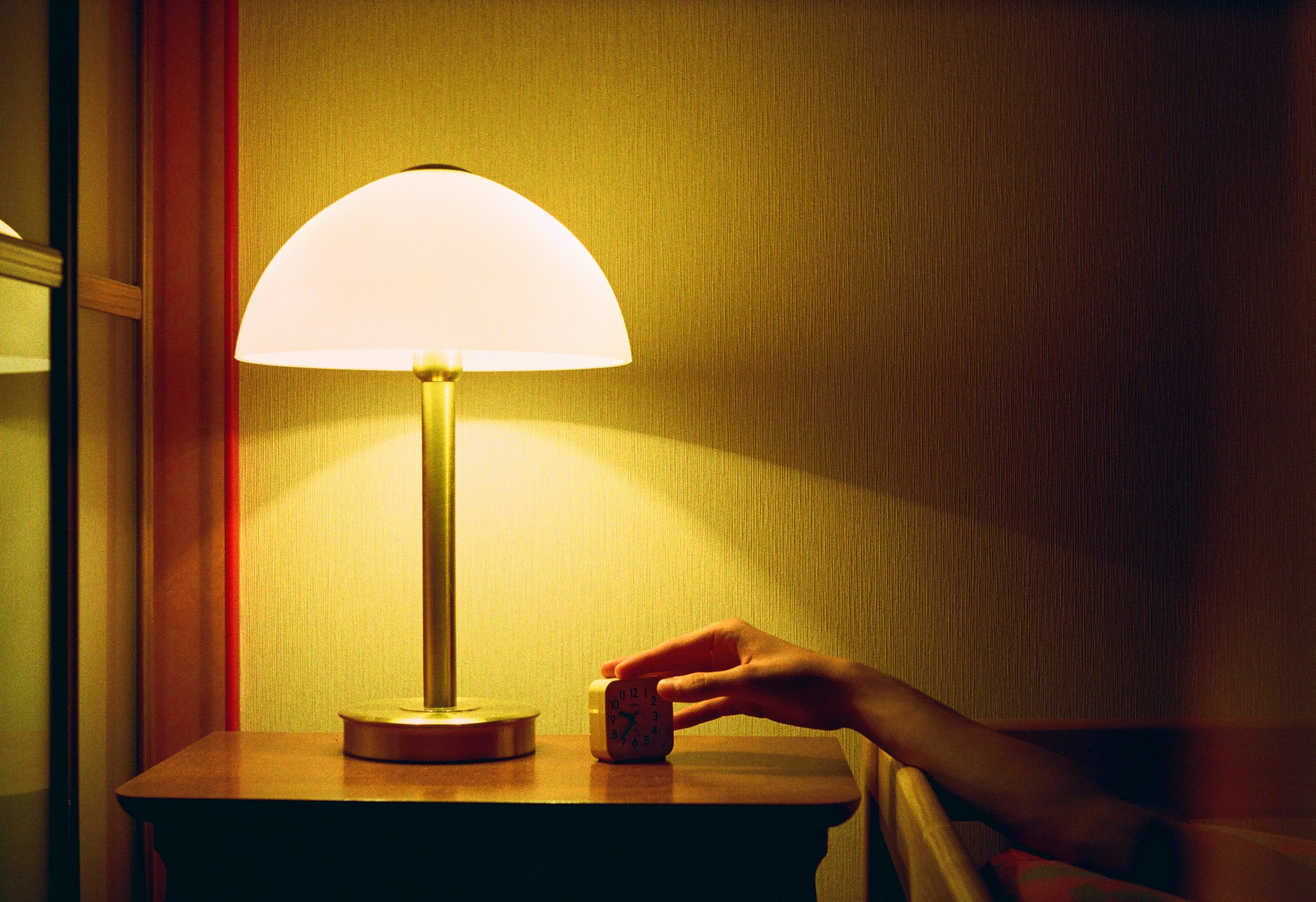
Gratification snoozing means setting alarms during the night for the pleasure of going back to sleep. Imagine falling asleep at 11 pm, setting an extra alarm for 3 am, and keeping your real wake-up alarm at 7 am. At three, you reach for the clock, realize you have four hours left, and pull the covers back up. That is an example of the habit, not a recommended schedule.
Patient.info described gratification snoozing as a TikTok sleep trend in August 2026. It takes a familiar pleasure, discovering you do not have to get up yet, and turns it into something you arrange. The appeal is understandable, but the alarm adds an interruption rather than extra rest.
1. Why does gratification snoozing feel so appealing?
The appeal is the contrast between expecting to get up and realizing you can stay in bed. In the imagined 3 am moment, the remaining hours feel like a gift. The clock has changed how the time feels, not how much sleep is available.
Picture your first thought as the alarm sounds: "Is it morning already?" Then comes the relief of "Not yet." You get to choose the warm bed over getting dressed and starting the day. That contrast helps make sense of the attraction without assuming a medical benefit.
There is also a difference between enjoying an accidental awakening and trying to recreate it on demand. The first lets you appreciate time you already have; the second requires interrupting sleep to notice it. A satisfying moment is not the same outcome as a restful night.
2. Why can gratification snoozing leave you more tired?
An alarm can cut into a period of sleep, and the time spent falling asleep again comes out of the remaining night. Repeated interruptions can also change how sleep stages are distributed. Both help explain why time in bed alone does not tell you how rested you will feel.
Sleep is not one unchanging state. Across the night, you move through non-REM and REM sleep; non-REM includes lighter and deeper stages. Deep sleep is more common earlier in the night, while REM periods tend to be longer later. These stages are parts of a whole, not a ranking of good and bad sleep.
The 3 am alarm cannot choose a convenient point in that process. If you stay awake until 3:20, those twenty minutes are no longer sleep, even though your morning alarm has not moved. More such gaps mean shorter stretches of continuous sleep, which is what sleep continuity describes. This is why time in bed versus sleep matters.
In a small laboratory study of sleep fragmentation, repeated sounds disrupted sleep despite similar total sleep time. Recordings showed lower sleep efficiency and smaller proportions of deep and REM sleep, while participants reported feeling more fatigued. Those are distinct findings: measured sleep changes and self-reported fatigue. The experiment supports concern about disrupted sleep, but cannot predict the effect of one self-set alarm.
3. Morning snoozing is a different question
Do findings about the morning snooze button change that advice? A study of regular snoozers tested snoozing in the final 30 minutes before rising. Participants performed as well or better on thinking tests immediately afterward than after getting up at once. That is evidence about the transition into the day, not a benefit from interrupting sleep hours earlier.
Natural awakenings are different again: the NIH sleep-stage guide notes that brief waking can occur between cycles. You do not need to prevent every moment of waking during the night. The avoidable part here is adding an alarm when you have no reason to get up.
4. Protect sleep continuity, with or without a device
For tonight, turn off alarms added only for the pleasure of sleeping again. Keep medication, caregiving and safety reminders, plus your alarm for a consistent wake time. If the attraction is a few peaceful minutes in bed, leave room for them after your planned wake-up instead of creating a night interruption.
The same goal applies to sleep tools: support the night, rather than create another wake-up. So why consider a wristband that vibrates? The relevant distinction is between a signal intended to wake you and one intended to support continued sleep.
raizz delivers gentle, precisely timed vibrations at the wrist, designed to support the body’s parasympathetic rest-and-recovery response. The aim is to help you settle into sleep and support longer stretches of continuous sleep, by reducing micro-awakenings, rather than wake you to create the pleasure of falling asleep again.
If any sleep tool repeatedly wakes you, reassess its use rather than accepting the interruptions as beneficial. raizz is designed to complement healthy sleep habits and clinical care, not to replace them.
5. What if fatigue continues after the extra alarms stop?
Persistent tiredness after stopping night alarms is a reason to look for other causes, not a better snoozing schedule. Seek an assessment if it affects daily life, especially with loud snoring or gasping. Describe what continues even without the planned awakenings.
Bring notes about your usual sleep times, unplanned awakenings and daytime sleepiness. Mention snoring or gasping reported by a partner, too. These details help distinguish an alarm habit from a problem that needs its own evaluation.
For ongoing insomnia, NIH recommends CBT-I as a first treatment. Cognitive behavioral therapy for insomnia addresses habits and thoughts that keep sleep difficult. Removing an optional interruption and treating ongoing insomnia are different tasks.
You do not need to wake up to make sleep count
The pleasure behind gratification snoozing is real enough to understand: a demanding morning suddenly feels farther away. But the alarm does not give you more time. It asks you to spend part of the night awake so you can appreciate what remains.
Before bed, check what each alarm is there to do. Keep the ones that serve a real need, and let sleep itself be the reward for the rest of the night.
Frequently Asked Questions
No. Gratification snoozing creates a night awakening for the pleasure of returning to sleep. Morning snoozing delays getting up near your planned wake time, so research on one does not automatically apply to the other.
Yes, brief awakenings can occur between sleep cycles. They are different from deliberately adding alarms, and they do not mean the whole night has been wasted.
Seek an assessment if tiredness persists or affects daily life. Tell your clinician about continued night waking, snoring or gasping, rather than assuming the alarms were the only cause.
More Articles You Might Like






Have questions, want to join us, or simply want to connect? We'd love to hear from you. Feel free to reach out at
[email protected]