Heart Rate During Sleep: Why Does It Change?
 5 min read ·

Your heart does not keep one pace all night.
A changing pulse can be part of changing sleep, not a sign that you woke up.
Sleep, improved in real time
Get early access to better, more stable sleep.
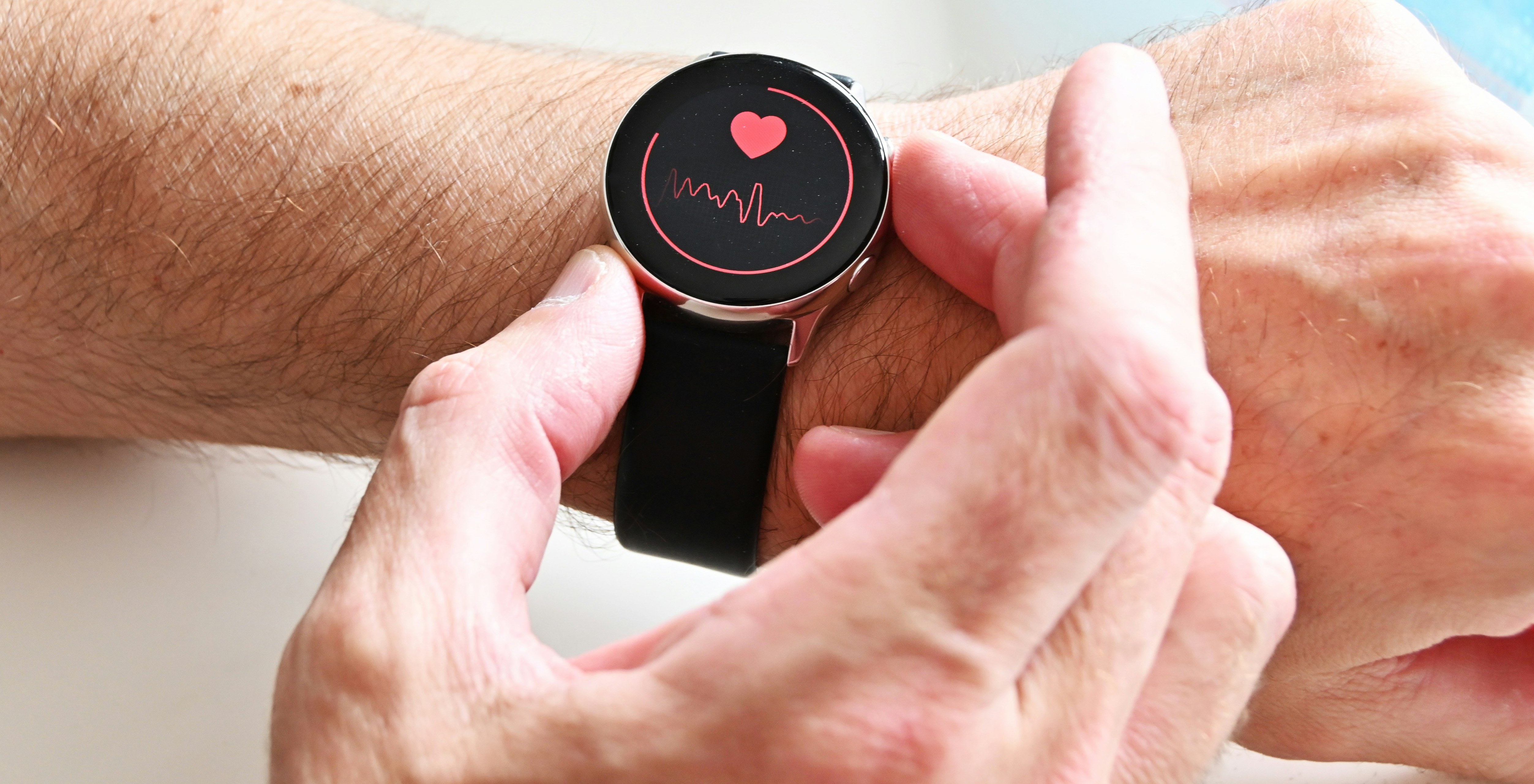
You open your sleep app and see a curve that drops, rises, then drops again. You remember sleeping through the night, so why was your pulse not steady? Heart rate during sleep changes as your body moves between sleep states. Being asleep does not mean your heart keeps the same pace until morning.
Picture two parts of the same night: an earlier stretch of deep sleep and a later stretch of REM sleep. Both count as sleep, but they place your body in different states. The number on your wrist can change without you opening your eyes or getting out of bed.
Understanding that difference helps you read the curve without treating every rise as a problem. This guide follows the changes within a night: why the pulse slows, why it rises again, and how sleep technology uses those signals. The question is what those changes mean, not how to make the line as low as possible.
1. Why does heart rate during sleep usually slow down?
Heart rate usually falls as you enter non-REM sleep. The autonomic nervous system, which manages functions without conscious effort, changes its activity. Its parasympathetic branch supports rest and helps slow the heart, while the sympathetic branch supports alertness.
The NHLBI describes this shift as part of sleep's normal effect on the heart and circulation. It is an adjustment in how your body works, not a shutdown.
That explains why an overnight reading can be lower than your pulse while awake. As the night moves into other sleep states, this balance shifts again.
2. How does heart rate during sleep change across sleep stages?
During non-REM sleep, heart rate generally falls below waking levels. During REM sleep, it can rise toward the level seen while awake and relaxed. A rise between these states does not, by itself, mean that sleep has ended.
Non-REM includes lighter sleep and deep sleep. REM stands for rapid eye movement, another phase that returns several times during the night. During REM, sympathetic activity increases and can raise your heart rate even though you are still asleep.
According to the NHLBI's sleep-stage guide, deep sleep is more common early in the night, while REM is more common later. That changing mix helps explain why one part of the night can look different from another.
There is no fixed clock time when everyone enters REM. Nor does each stage have one pulse rate that identifies it. Your graph reflects a changing night, not a timetable you need to follow.
3. Why can your heart rate rise without a remembered awakening?
A temporary rise in heart rate does not always mean you fully woke up. It can accompany REM sleep or a brief arousal, a short shift out of stable sleep. A pulse reading alone cannot tell these events apart.
In a study of healthy adults, overnight recordings showed that heart-rate responses to arousals differed widely between people. These were measured physiological responses, not reports of how rested participants felt.
Our guide to brief sleep interruptions explains why some events leave no clear waking memory. Without a fuller recording, a peak cannot tell you exactly what happened or how much it affected your sleep.
4. How does raizz use heart-rate changes during sleep?
The raizz band monitors your heart rate and movement at the wrist. It looks for changes in these signals that may come before a sleep disruption, helping it decide when to provide support.
When it detects such a pattern, the band responds with gentle vibration. The vibration is designed to support the parasympathetic system, which helps your body rest and recover. The band then tracks how you respond and adjusts its next response. This is closed-loop support, with timing that adapts rather than following a fixed schedule.
raizz aims to reduce micro-awakenings, helping you get more continuous sleep. Heart rate is one signal the band uses; the aim is steadier sleep, not a flatter heart rate line.
5. When should nighttime heart rate changes get checked?
Stage-related changes are one explanation, not an explanation for every unusual reading. The American Heart Association recommends discussing changes when your heart is beating faster or slower than usual. Seek emergency help for a sudden unusual rate with chest pain, shortness of breath or fainting.
Mention repeated sleep disruption and any gasping or breathing pauses a partner notices. These details help a clinician assess more than the graph. Our separate guide covers nighttime spikes and symptoms in greater detail.
Your heart rate changes with your sleep stages
Your heart rate changes as you move through different sleep stages. A rise does not automatically mean you woke up, and a lower number does not automatically mean better sleep. Look at the overall pattern alongside how you feel, rather than judging your night by a single reading.
Frequently Asked Questions
Not exactly. Sleeping heart rate describes your pulse while asleep; resting heart rate commonly refers to being awake and at rest. Your pulse during sleep can be lower than your waking resting rate.
Not necessarily. Heart rate can rise during REM, but other changes can also raise it. A heart-rate reading alone cannot confirm which sleep stage you were in.
No. A normal heart rate during sleep depends on your circumstances, not on reaching the lowest possible number. Consider your usual pattern and symptoms. Seek emergency help for an unusually slow heart rate with fainting or difficulty breathing.
More Articles You Might Like





Have questions, want to join us, or simply want to connect? We'd love to hear from you. Feel free to reach out at
[email protected]