How Stress Affects Sleep:
5 Ways to Calm Your Mind and Sleep Better
 10 min read ·

The room is still, but the day has not stopped moving inside your head.
Stress can keep the mind solving problems after the problems themselves are out of reach.

Sleep, improved in real time
Get early access to better, more stable sleep.
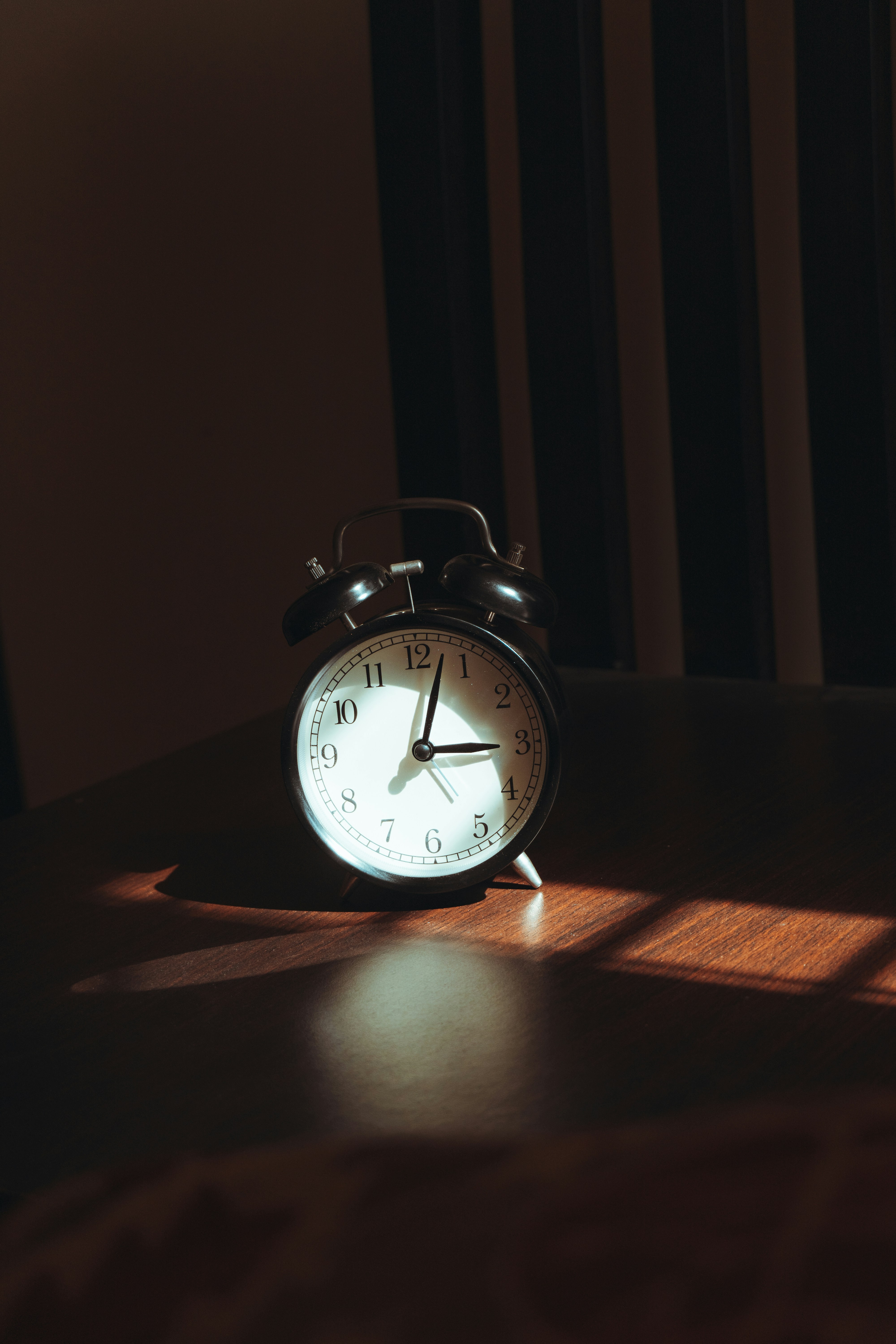
Understanding how stress affects sleep begins with a familiar mismatch. Your body may be tired while your attention is still circling a deadline, conversation, bill, or decision. The quiet scene in the image captures what many people want at that moment: enough space for the body to soften and the mind to stop carrying the entire day into bed.
Stress does not explain every difficult night, and one restless evening does not mean you have a sleep disorder. Still, stress can keep mental and physical alertness active when sleep needs the opposite conditions. It may lengthen sleep latency, the time it takes to fall asleep, contribute to waking after sleep begins, or leave less energy for attention, mood, and usual tasks the next day.
If you need something practical tonight, make the next demand smaller. Turn the clock away, give the unresolved problem a place tomorrow, and choose one quiet action instead of trying to perform every relaxation technique correctly. The aim is to identify what is keeping wakefulness going and respond without adding another struggle.
1. How does stress affect sleep?
Stress can make sleep harder by maintaining alertness after the immediate demand has passed. Thoughts may continue rehearsing a problem while breathing, heart rate, or muscle tension remain elevated. That combination can delay sleep, fragment the night, and affect how you function the next day, although the pattern differs between people and nights.
The stress response is useful when action is possible. According to the National Center for Complementary and Integrative Health, it can increase heart rate, breathing rate, blood pressure, and muscle tension. At night, those changes do not prove stress is causing a sleep problem, but they help explain why feeling exhausted and feeling ready to sleep are not always the same.
Short-term stress may coincide with a few difficult nights. NHLBI notes that stress can contribute to short-term insomnia, alongside changes in schedule or environment. Persistent sleep difficulty is more complicated, so avoid reducing every awakening to one hormone or one stressful event.
The more useful question is what the stress is doing now. Is your mind replaying, is your body braced, or are you trying so hard to sleep that the effort itself keeps you alert? Each pattern calls for a different response.
2. How to sleep when stressed: 5 things worth trying
Match the response to what is maintaining wakefulness. Give worry an earlier place, stop grading sleep in real time, use one comfortable counter-arousal action, leave the bed when wakefulness becomes a struggle, and protect the next day without making extreme corrections.
1. Give worry an earlier appointment. Set aside a brief period before your wind-down routine to name the concern and write one next action, if an action exists. When the thought returns in bed, remind yourself that it has a place tomorrow. This is containment, not an attempt to resolve an entire problem at night.
2. Stop grading the night while it is happening. Turn the clock away and postpone reviewing sleep data until morning. Repeatedly asking whether you are calm yet makes relaxation another test. If a technique increases self-monitoring, choose something more neutral.
3. Choose one counter-arousal action. Try comfortable slow breathing or progressive muscle relaxation, releasing one area at a time without forcing a fixed count. NCCIH describes these as approaches that may support the relaxation response, while noting that some people experience more anxiety or intrusive thoughts. Stop if the exercise makes you feel worse.
4. Change the setting when bed becomes a struggle. If you are awake and increasingly frustrated, move to a safe, dim place and do something quiet. Return when sleepiness is present. This reflects stimulus control, one component of cognitive behavioral therapy for insomnia, or CBT-I. It is different from attempting sleep restriction on your own.
5. Protect tomorrow without overcorrecting tonight. Keep a reasonably steady wake time and get morning light when practical. Avoid responding to one bad night with a very early bedtime, a long late nap, or much more caffeine. If you feel dangerously sleepy, safety takes priority: do not drive or perform hazardous work.
3. How can stress keep you awake or wake you during the night?
Stress can follow you into bed as rumination, meaning repetitive thinking that does not move toward a solution. It can also increase sensitivity to ordinary sounds, sensations, or brief awakenings. Once awake, checking the time and predicting a ruined tomorrow may create another round of alertness.
Rumination is not the same as useful planning. Planning ends with a decision or next step. Rumination revisits the same material while creating the feeling that you must solve it before you can rest. An eight-day observational study followed 61 healthy young adults. In an exploratory analysis, higher daily stress was associated with slightly longer sleep latency on days when participants ruminated more than usual. The finding was small and needs replication, but it helps illustrate why the thought pattern may matter.
Nighttime waking adds a second opportunity for the cycle to restart. A normal brief awakening can feel urgent once the mind begins calculating remaining hours or scanning the body for signs of failure. Stress may have triggered the alertness, but clock-checking and prediction can maintain it.
That distinction prevents a difficult night from becoming a verdict. Our articles on trying to force sleep and nighttime waking explain why reducing the struggle can matter even when the original stressor cannot be solved tonight.
4. What can make stress-related sleep problems harder to break?
After a difficult night, it can be tempting to repair everything at once. You go to bed much earlier, watch the clock for proof that the plan is working, or use alcohol to hurry the transition. These corrections can add more awake time in bed and more pressure to an evening that is already tense. Late caffeine can pull in the same direction.
The relationship can also run both ways. Stress may disrupt sleep, and a difficult night may leave fewer emotional and cognitive resources for the next day's demands. That does not mean one bad night begins an inevitable cycle. It means the next useful step is usually smaller than solving both stress and sleep at once.
Wearable data needs the same perspective. One higher resting heart rate or lower estimated sleep score cannot identify stress as the cause. Compare several similar nights and include context such as workload, illness, caffeine, pain, and sleep opportunity, meaning the time set aside for sleep. Our guide to sleep health measures explains how to keep one estimate in context. Use the pattern to form a question, not a diagnosis.
5. When is stress-related sleep difficulty worth discussing with a professional?
Seek professional guidance when difficulty falling or staying asleep persists, interferes with daytime functioning, or occurs with loud snoring, gasping, marked sleepiness, pain, medication changes, or significant emotional distress. Stress may be relevant, but it should not automatically be treated as the complete explanation.
NHLBI describes chronic insomnia as difficulty occurring at least three nights a week for more than three months when another health problem does not fully explain it. Those criteria describe a clinical diagnosis, not a deadline you must wait to reach. Speak with a clinician sooner when sleep is affecting safety, work, relationships, or your ability to cope.
A brief sleep diary can make that conversation more useful. Record bedtime, estimated sleep latency, awakenings, final wake time, naps, caffeine or alcohol timing, and next-day functioning. NHLBI notes that a clinician may use a sleep diary while evaluating insomnia.
For persistent insomnia, CBT-I is a structured, multicomponent treatment, not another name for basic sleep-hygiene advice. If stress is becoming unmanageable or you are in immediate emotional distress, seek appropriate professional or crisis support rather than relying on a nighttime routine alone.
6. Where raizz fits: calming the body before sleep and through the night
The five approaches above work mostly on thoughts and habits. But as the first section described, stress also lives in the body: a faster heart rate, quicker breathing, and muscles that stay braced long after the day is over. You can write down every worry and still lie in bed feeling wired. raizz is designed for that physical side of stress, at the two moments where it tends to cost the most sleep: falling asleep and staying asleep.
Before sleep: a sleep ritual that starts smart soothing. You can set a sleep ritual in the raizz app as part of your wind-down. When it begins, the band starts smart soothing, a gentle rhythmic vibration designed to help your body relax and your nervous system settle. Think of it as a counter-arousal cue that does not ask you to keep checking whether you are calm yet. You simply lie down, let the rhythm lead, and give your body a clearer signal that the day is done, so the transition into sleep can come sooner.
During sleep: catching brief awakenings before they grow. Stress can make you more sensitive to the small awakenings everyone has, and as the third section explained, one brief waking can restart a whole cycle of clock-checking and worry. While you sleep, raizz watches for signs of restlessness in movement and heart-rate patterns. When those signs appear, it responds in real time with gentle vibration intended to ease you back toward steady sleep, helping reduce brief awakenings before they turn into lying awake.
The companion app adds a personalized program informed by cognitive behavioral therapy for insomnia (CBT-I), so the habits in this article and the support on your wrist can work together over time.
raizz is meant to complement healthy sleep habits, not replace clinical care. If sleep difficulty persists or comes with loud snoring, gasping, marked daytime sleepiness, or distress that feels hard to manage, talk with a professional.
Calm the mind, settle the body, and let sleep follow
Stress keeps you alert in two ways. It keeps your mind replaying the day, and it keeps your body braced for action long after action is possible. Sleeping better when stressed usually means easing both, one small step at a time, rather than forcing yourself to feel calm on command.
Tonight, pick just one of the five ways above. Give a worry its place on paper, turn the clock away, or try a few minutes of slow breathing. If your body still feels wound up, a steady wind-down ritual and gentle support through the night can help carry some of that load for you.
Then look at the pattern over a week, not a single night. Are you falling asleep a little sooner? Waking less often? Feeling steadier the next day? Small, consistent changes add up, and if they do not, that is a good reason to bring a professional into the conversation.
Frequently Asked Questions
Tiredness and sleep readiness are not identical. Stress can leave the mind rehearsing a problem while the body remains tense or alert, so exhaustion can coexist with difficulty falling asleep. Reduce the next demand rather than trying to force sleep: turn away the clock, postpone problem-solving, and choose a quiet activity until sleepiness becomes clearer.
A relaxation exercise can become another performance test if you keep checking whether it is working. That self-monitoring may maintain alertness instead of reducing it. If a technique makes you feel more tense or watchful, stop and choose a neutral, low-demand activity that does not require you to produce a particular result.
If staying in bed is turning into frustration, move to a safe, dim place and choose a quiet activity, then return when sleepy. This is consistent with the stimulus-control component of CBT-I. Avoid watching the clock or imposing a rigid minute threshold, which can make the decision another performance test.
Consider a broader explanation when sleep difficulty persists on relatively calm days or appears alongside loud snoring, gasping, pain, medication changes, marked daytime sleepiness, or an irregular schedule. A single night or wearable score cannot establish the cause. Track the pattern across several nights and discuss persistent difficulty or concerning symptoms with a clinician.
More Articles You Might Like




Have questions, want to join us, or simply want to connect? We'd love to hear from you. Feel free to reach out at
[email protected]