Why You May Wake Up Without Remembering It: Micro-Awakenings Explained
 6 min read ·

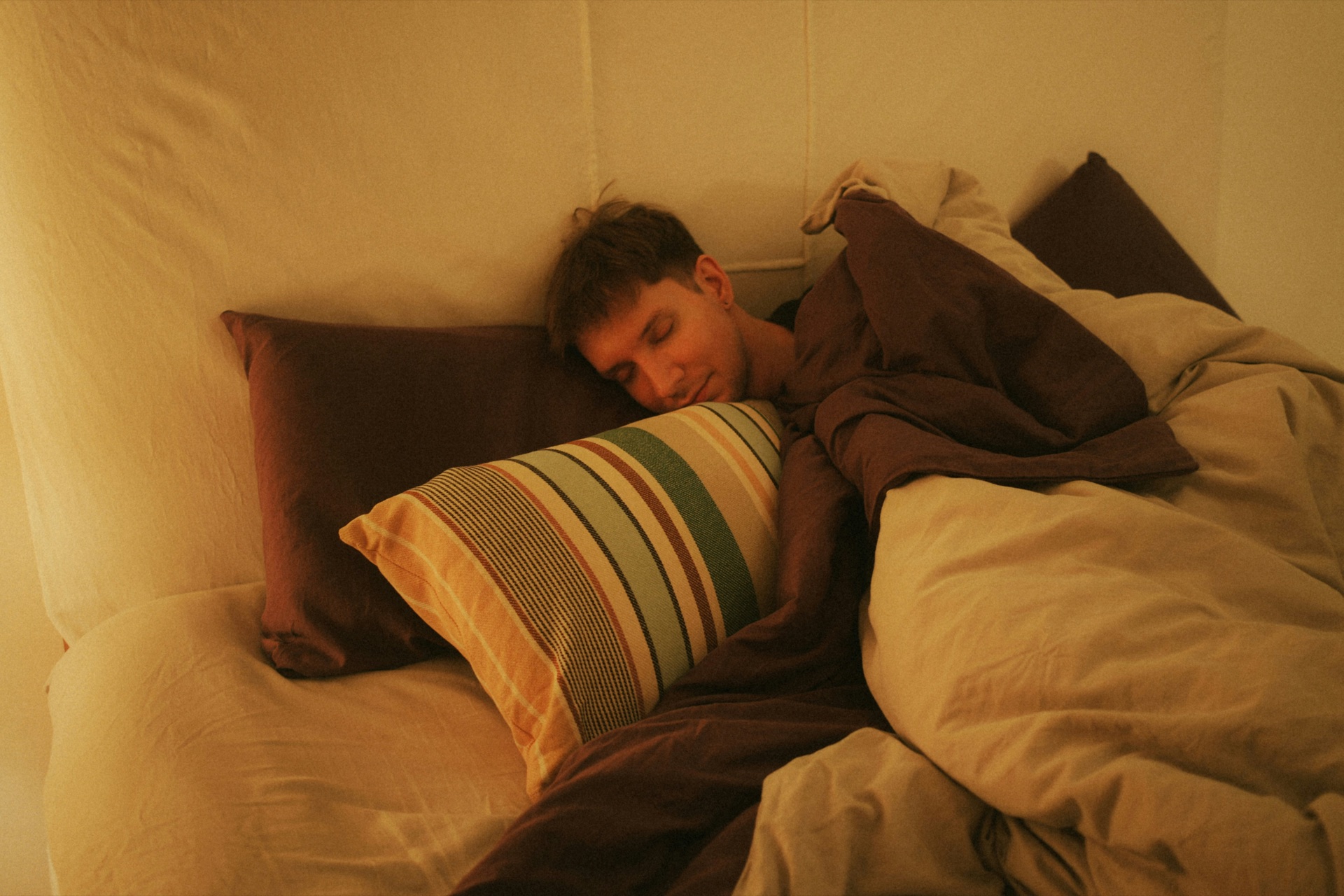
You remember going to bed. The next thing you remember is morning.
That does not mean every moment in between was uninterrupted sleep.
Sleep, improved in real time
Get early access to better, more stable sleep.
You wake up convinced you slept straight through. Then your watch shows several short stretches marked "awake." You cannot recall looking at the clock or hearing anything. Reading about micro-awakenings during sleep makes you wonder whether you missed something important.
There are two questions here: what happened during the night, and what you can remember afterward. A brief change in sleep does not always become a moment you can recall. A wrist device also estimates sleep rather than recording every event directly. Neither your memory nor its graph tells the whole story.
Before treating those marks as a problem to fix, it helps to understand what they represent. This guide explains the difference between a brief arousal and a fuller awakening, why some waking moments go unremembered, and when to look more closely. The aim is to understand your nights without making a perfectly unbroken graph another condition for feeling rested.
1. What are micro-awakenings during sleep?
Micro-awakenings is an everyday term for very brief sleep interruptions. In sleep research, a micro-arousal is a short shift out of stable sleep that does not necessarily become full wakefulness. An awakening, by contrast, means entering a waking state, even if you later forget it.
Specialists identify arousals using EEG, a recording of electrical activity during sleep. The AASM scoring rules include a minimum duration of three seconds after at least ten seconds of continuous sleep. These are measurement rules, not a test of whether you noticed anything.
Being briefly aroused, being awake and remembering that you were awake are related, but separate. Keeping that distinction in mind helps make sense of the term.
2. Why don't you remember briefly waking up?
Brief awakenings during sleep do not always leave a memory you can recall later. The transition into waking is not the same as being fully alert. Research suggests that your state when you wake, as well as how long you remain awake, can influence what you remember.
In a laboratory memory experiment, participants remembered less when learning began immediately after waking, and after waking from deeper rather than lighter sleep. This helps explain why a passing night event need not become a clear memory.
A home study of 39 healthy adults used movement-based sleep estimates and morning reports, rather than EEG. It found wide differences in the waking duration associated with later recall. There is no fixed five-minute memory cutoff that applies to everyone.
3. When brief interruptions need a closer look
Sleep changes across the night. You move through non-REM and REM sleep, and brief waking can occur between sleep cycles. Returning to sleep after a passing interruption is different from repeatedly lying awake for long periods.
Sleep continuity describes how well sleep holds together across the night. Repeated brief disruptions can also break up sleep without leaving a memory of a long awakening. A gap spent awake can shorten a stretch of sleep and reduce total sleep time. This is why time in bed is not the same as time asleep.
The useful distinction is not whether any waking happened. It is whether interruptions repeatedly disturb your sleep or come with daytime problems. Feeling tired alone does not tell you how many micro-arousals occurred or what caused them.
4. Can a tracker detect micro-awakenings during sleep?
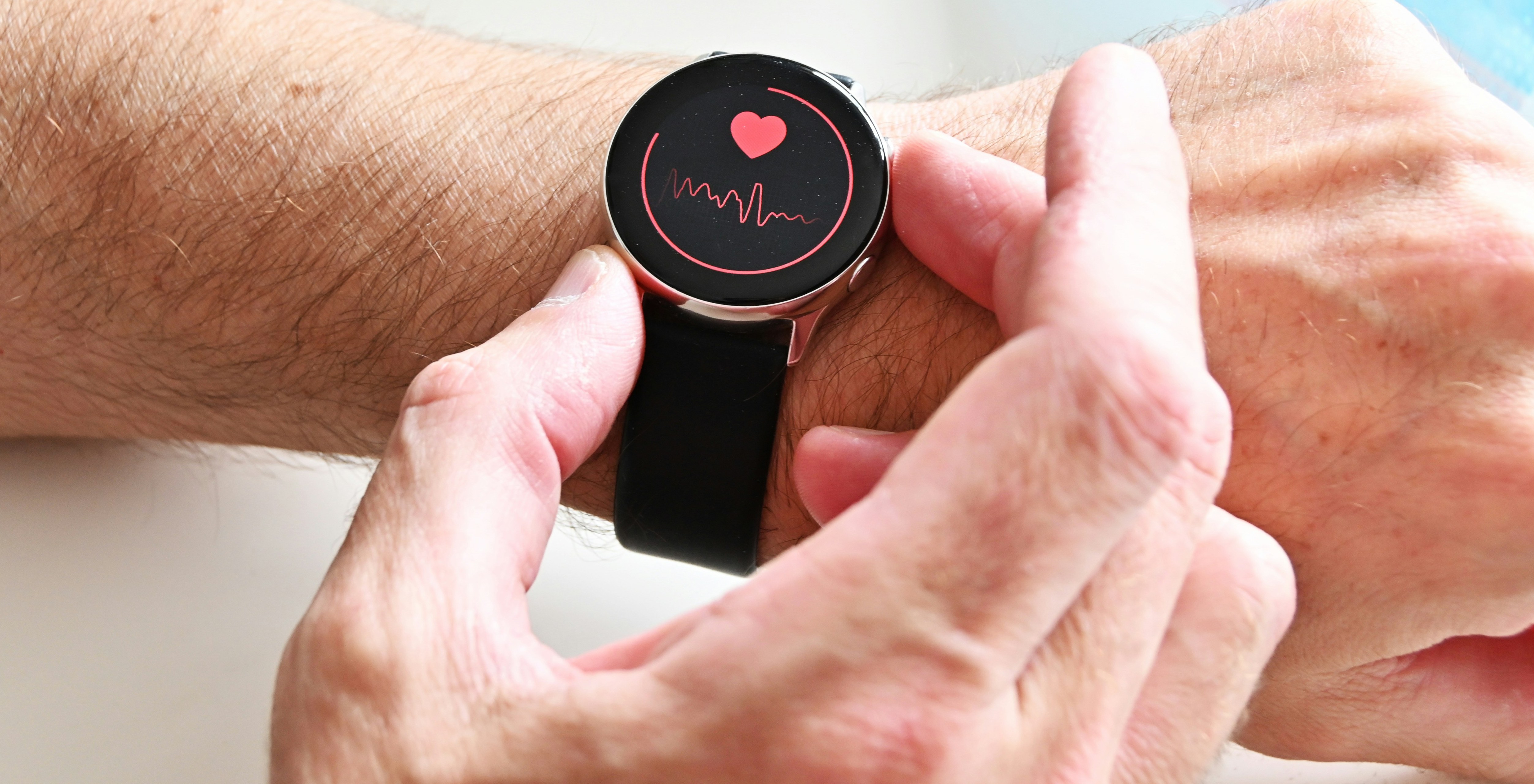
A typical wrist tracker cannot directly detect every EEG-defined micro-arousal. It estimates sleep from peripheral signals, such as movement and heart-rate patterns. A mark labeled "awake" is therefore an estimate, not proof of a specific micro-arousal or a waking moment you should remember.
A 2026 comparison of three consumer trackers found device-specific biases and limited agreement with an overnight sleep study. Those were objective measurement comparisons, not ratings of how rested participants felt. The study tested sleep measures and stages, not detection of every micro-arousal.
Use the graph to look for patterns across nights, alongside how you feel and function. Our guide to interpreting sleep data explores that balance. A single night is not a diagnosis.
5. Support sleep continuity without chasing a perfect night
Start with interruptions you can identify: notification sounds, unnecessary night alarms, light or an uncomfortable room. Keep essential medication, caregiving and safety reminders. NHLBI's sleep guidance recommends a quiet, dark, cool bedroom and consistent sleep times. A consistent sleep schedule is more practical than trying to count unnoticed awakenings.
Sleep support should help you rest continuously, not make you stress over every brief awakening. That is why raizz focuses not just on helping you fall asleep, but on sustaining longer, uninterrupted stretches of sleep throughout the night. As you sleep, the raizz band monitors your body’s signals to anticipate impending disruptions, intervening with gentle vibrations designed to support your parasympathetic rest-and-recovery response.
This is how closed-loop vibrational intervention works in practice: real-time sensing informs real-time intervention, and your body’s response guides the band’s next action. Because the timing adapts dynamically to physiological changes rather than a preset schedule, the entire process happens autonomously and quietly while you sleep. For anyone frustrated by fragmented sleep, this is exactly what raizz is built to solve: fewer micro-awakenings and longer periods of continuous sleep. raizz complements healthy sleep habits and clinical care; it does not replace them.
If daytime sleepiness persists, seek an assessment even if you remember no awakenings. Mention any loud snoring, gasping or breathing pauses a partner notices. If an assessment identifies long-term insomnia, the NHLBI guidance above recommends cognitive behavioral therapy for insomnia (CBT-I) as the usual first treatment.
You don't have to remember every awakening
Waking briefly and remembering it the next morning are different things. Some sleep changes never become a clear waking experience; other moments are forgotten. A tracker can add information, but it cannot reconstruct the night with the certainty of a full sleep study.
You do not need to solve that uncertainty by watching the clock or trying to catch yourself awake. Tonight, address one interruption you already know about, then leave the counting alone. Tomorrow, notice whether sleepiness affects your usual activities. If difficulties persist, bring those observations to a clinician. They give you something concrete to discuss, whether or not you remember waking.
Frequently Asked Questions
There is no single count that works for every person or every measurement method. Brief waking can occur normally. A clinical arousal count needs context, including other sleep-study findings and symptoms.
No. Whether you remember waking cannot tell you which sleep stage you were in. Recall and sleep-stage measurement describe different things.
Not on the graph alone. Treat its awake periods as estimates and consider how you feel across several days. Persistent sleepiness or witnessed breathing pauses deserve assessment even when you do not remember waking.
More Articles You Might Like




Have questions, want to join us, or simply want to connect? We'd love to hear from you. Feel free to reach out at
[email protected]