Sleep Continuity: Why Staying Asleep Matters as Much as Falling Asleep
 6 min read ·

Falling asleep quickly can feel like the hard part is over.
But how well you stay asleep matters too.
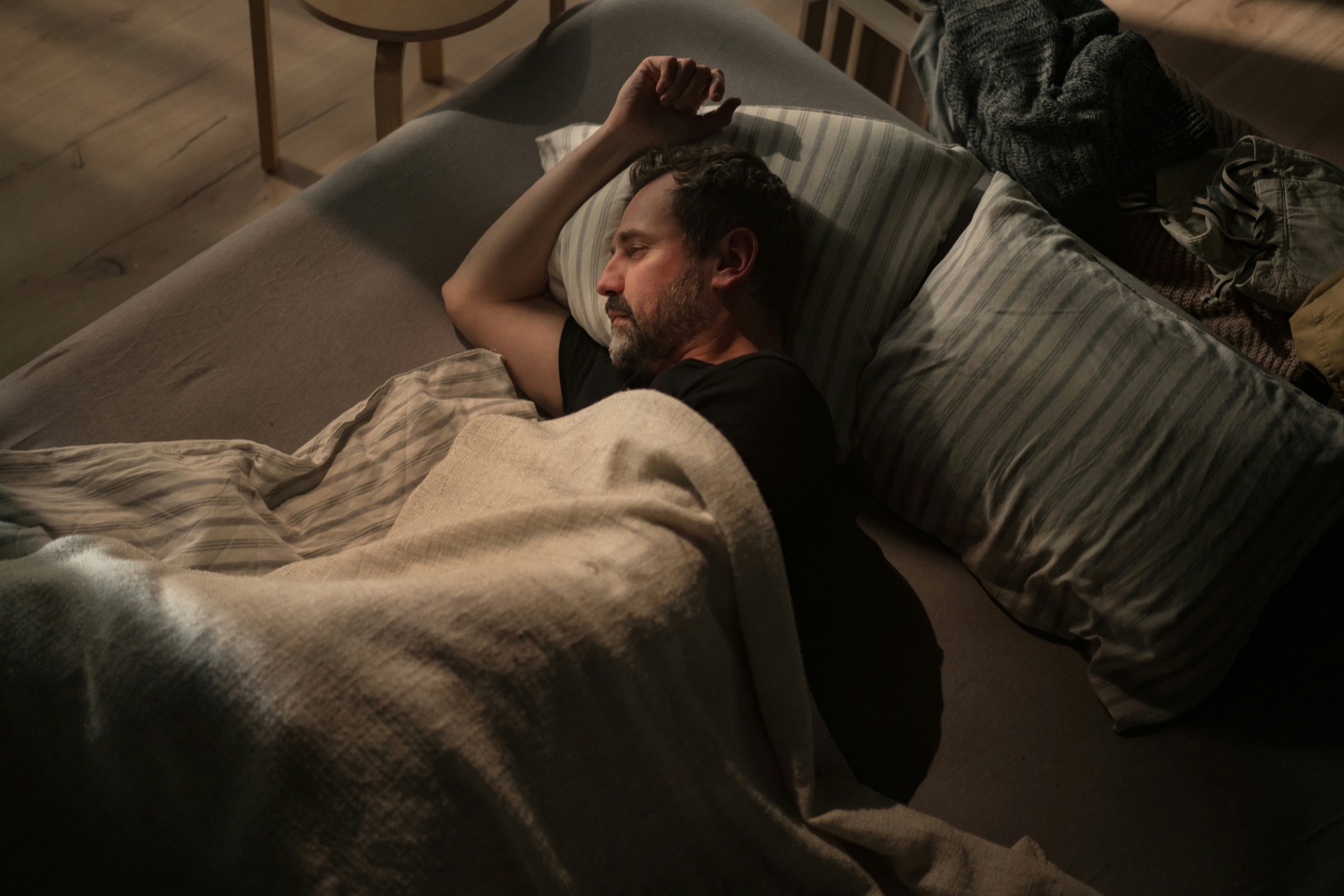
Sleep, improved in real time
Get early access to better, more stable sleep.
You fall asleep soon after turning out the light, yet wake several times before morning. At breakfast, you count the hours between bedtime and your alarm and wonder why the night felt so unsettled. Sleep continuity helps explain what that calculation leaves out.
Imagine going to bed at 11 p.m. and getting up at 7 a.m. On one night, you barely notice the time passing. On another, you spend long stretches awake between periods of sleep. Both nights offer the same time in bed, but that does not mean you slept for the same length of time or in the same pattern.
If falling asleep is not your main difficulty, adding more steps to your bedtime routine may miss the problem. This time let us look at what happens after sleep begins, what interrupts it, and how to support a more settled night.
1. What is sleep continuity?
Sleep continuity describes how well sleep holds together across the night. It concerns interruptions and the time spent awake after falling asleep. Good continuity allows for natural, brief awakenings; it does not require an entire night without any change in sleep or awareness.
Sleep duration tells you how much you slept. One useful measure of continuity is wake after sleep onset, or WASO: time spent awake between first falling asleep and your final awakening.
Brief waking between sleep cycles can occur normally. Our guide to micro-awakenings during sleep explains why you might not remember every interruption.
2. Why does sleep continuity matter beyond total hours?
Total hours do not show how sleep was spread across the night. Repeated interruptions can alter sleep stages, while long waking periods leave less time for sleep. Looking at continuity alongside duration helps explain why the number of hours alone cannot describe a night fully.
Sleep cycles include lighter and deeper stages, as well as REM sleep, named for its rapid eye movements. These stages form a changing pattern across the night. Repeated waking interrupts that pattern.
In a laboratory study of 62 adults, repeated awakenings led to a greater drop in self-reported positive mood than a later bedtime, despite similar sleep loss. Overnight recordings measured sleep; participants rated their mood. The experiment shows why interruption patterns matter, not that every ordinary brief awakening is harmful.
3. What disrupts sleep continuity?
Sleep continuity can be disrupted by noise, light, temperature, discomfort, certain substances, or a sleep disorder. Stress about being awake can make returning to sleep harder. The useful question is what wakes you, and what keeps you awake afterward.
A phone alert or a room that grows too warm can interrupt an otherwise settled night. In a 2026 study of 25 adults, background noise that came and went reduced deep sleep measured by overnight recordings. This was a laboratory finding, not a prediction for every bedroom.
Alcohol can make you sleepy at first but leave sleep lighter and night waking more likely. Caffeine can also interfere with sleep. Pain, hot flashes, and breathing problems are other possibilities; a stronger bedtime routine does not address every cause.
4. How can you improve sleep continuity with raizz?
If you wake often but fall back asleep quickly, start with what keeps interrupting you. Block light from the hallway, silence nonessential alerts, or change your bedding if you wake too warm. Focus on removing a recurring disturbance, rather than adding more steps before bed.
If you wake and stay awake, you also need help getting back to sleep. Spending longer in bed trying to force sleep can add frustration. Following NHLBI's advice, leave bed when you cannot sleep and return when sleepy, provided you can do so safely.
Those steps focus on your surroundings and what you do after waking. raizz provides support while you sleep. raizz predicts when micro-awakenings are likely to occur and delivers a gentle intervention just beforehand, so you stay asleep instead of fully waking up. The band also helps you settle back into sleep after a disruption. Your body's signals guide this closed-loop support, so the timing adapts rather than following a fixed schedule. raizz complements healthy sleep habits and clinical care; it does not replace them.
5. When should you seek help for disrupted sleep?
If you continue struggling to stay asleep and it affects your daytime life, seek an assessment rather than adding more sleep aids. Tell your clinician about repeated waking, how long you stay awake, and any discomfort. Loud snoring, gasping, or observed breathing pauses also deserve attention.
For long-term insomnia, cognitive behavioral therapy for insomnia, or CBT-I, is usually the first treatment recommended. It addresses difficulty staying asleep as well as falling asleep. The AASM treatment guideline recommends CBT-I, rather than relying only on sleep hygiene: habits and bedroom conditions that support sleep.
Look beyond the moment you fall asleep
A good night needs enough time for sleep and the chance to remain asleep within that time. Falling asleep quickly is useful, but it cannot tell you how the rest of the night went. Looking at night waking adds a part of the picture that bedtime alone misses.
Start with what is keeping your night unsettled. Reduce a recurring disturbance if you keep waking, or take steps to return to sleep if you remain awake. Judge progress by more settled stretches of sleep and how you feel the next day, not by eliminating every brief awakening.
Frequently Asked Questions
No. Sleep efficiency is the share of time in bed spent asleep. Continuity concerns interruptions within sleep. The same efficiency percentage can hide different patterns of nighttime waking.
No. Brief awakenings can occur normally, including between sleep cycles. A short waking moment does not mean the whole night was poor sleep.
Not necessarily. An earlier bedtime gives you more time in bed, but does not address what wakes you. Go to bed when sleepy and look at the causes of repeated waking.
More Articles You Might Like






Have questions, want to join us, or simply want to connect? We'd love to hear from you. Feel free to reach out at
[email protected]