Definition: low HRV means there is relatively little variation in the time between heartbeats, which may reflect your usual pattern or a temporary response to physical or mental strain.
Your sleep app shows a lower number. Is your body asking for rest, or is this normal for you? Here is how to interpret heart rate variability without letting a score run your day.
What low HRV Actually Means
HRV heart rate variability: the basic idea
Your heart does not beat like a perfectly timed clock. Even at a steady pulse, the gap between one beat and the next changes slightly. Heart rate variability, usually shortened to HRV, measures those differences rather than the number of beats per minute.
For example, a heart rate near 60 beats per minute does not mean every beat arrives exactly one second apart. One gap might be 980 milliseconds and another 1,020 milliseconds. These tiny shifts help reveal how your body responds to changing demands.
Low HRV is not a diagnosis. As Cleveland Clinic explains, HRV reflects activity in the autonomic nervous system, which helps manage automatic functions such as heart rate and digestion. A reading makes more sense when considered alongside your usual range, symptoms, sleep, and recent activity.
How the control system works
Two branches of the autonomic nervous system influence your heart. The sympathetic branch helps mobilize energy, while the parasympathetic branch supports functions associated with rest and recovery. They work together rather than taking turns as a simple on-off switch.
Breathing also changes the gaps between beats. Your heart rate commonly speeds up slightly as you breathe in and slows as you breathe out. That is one reason breathing patterns, posture, and measurement conditions can affect the result.
The analogy: a musician keeping time
Think of your heart as a skilled musician rather than a metronome. A musician makes small timing adjustments to follow the music, while a metronome holds an exact beat. HRV captures some flexibility, not a direct grade of heart strength.

Did you know? A steady pulse and variable heartbeat intervals can exist at the same time. Heart rate describes how often your heart beats; HRV describes how the gaps between those beats differ.
What Causes low HRV?
A lower reading can follow an unusually demanding day, but it can also reflect ordinary individual differences. Age, fitness, health conditions, medications, hormones, and measurement methods all influence the number. The most useful question is often “What changed for me?” rather than “Why am I below someone else?”
Common contributors include:
- Short or disrupted sleep: Overnight recovery may differ after repeated awakenings or too little sleep.
- Hard exercise: A demanding session can temporarily increase the body's recovery needs.
- Emotional strain: Deadlines, worry, and ongoing pressure can affect autonomic activity.
- Alcohol: Drinking can alter overnight heart rate, sleep continuity, and HRV.
- Illness or heat stress: Physical demands may shift readings before or alongside other signs.
- Measurement noise: Movement, poor sensor contact, or a different recording time can distort comparisons.
A single instance of low HRV cannot tell you which explanation applies. Look for supporting clues, such as a late workout, a warmer bedroom, or feeling unwell. Avoid assuming that one number proves dehydration, illness, or excessive training.
Sleep deserves particular attention because the relationship runs in both directions. Stress can interrupt sleep, and insufficient sleep can make the next day feel harder. The National Heart, Lung, and Blood Institute’s guide to sleep deprivation explains why sleep matters for attention, physical health, and daily functioning.
What Is a Good HRV for You?
There is no single target that suits every adult. A normal HRV range depends on age, individual physiology, the metric being calculated, and how the measurement was collected. Comparing your overnight result with another person's five-minute daytime reading is like comparing temperatures measured in different places.
The question “what is a good HRV” is best answered with your own repeated measurements. Establish a baseline over several weeks using the same device and similar conditions. Then watch for sustained changes rather than judging isolated highs and lows.
Know which number your device reports
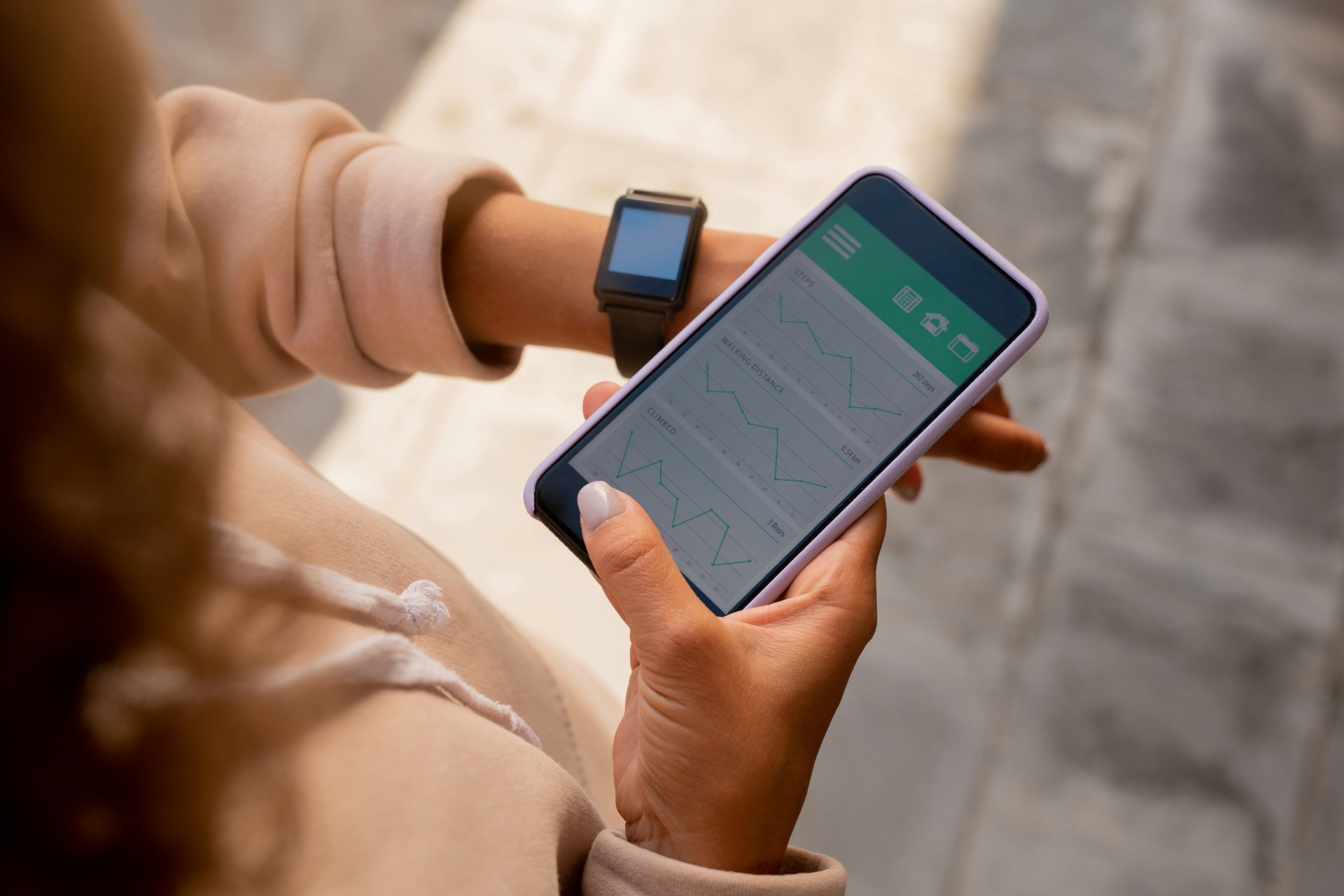
Two common metrics are RMSSD and SDNN, both often expressed in milliseconds. RMSSD emphasizes differences between successive heartbeat intervals; SDNN describes variation across the recording period. Their values are not interchangeable, and recording length matters.
| Measurement detail | Why it matters | Better comparison |
|---|---|---|
| Metric, such as RMSSD or SDNN | Different calculations produce different values | Compare the same metric |
| Recording duration | Short readings and overnight summaries capture different patterns | Compare similar recording windows |
| Time and posture | Circadian timing and body position affect HRV | Keep conditions consistent |
| Device and sensor | Hardware and processing methods vary | Track trends on one device |
| Personal baseline | People have different usual ranges | Compare with your own history |
For a more technical explanation, this peer-reviewed overview of HRV metrics and norms describes why context and recording methods matter. Published averages vary by method and population; they are not personal pass-or-fail thresholds.
A trend is more useful than a snapshot
Imagine someone whose usual overnight RMSSD sits around 40 milliseconds. A reading of 28 after a late evening has a different meaning from several lower readings alongside fatigue and a rising resting pulse. Neither pattern identifies a cause by itself, but the second offers more reason to review recovery and seek advice if it persists.
Four Everyday Examples
The same number can mean different things. Connect the reading to recent events and how you feel.
- After a hard workout: Your reading falls after a long run, and your legs feel heavy. An easier day may be sensible, especially if fatigue is unusual. The reading supports that decision rather than making it for you.
- During a deadline week: Your bedtime drifts later while work pressure rises. Protecting a regular sleep window may be more useful than adding a complicated recovery routine.
- After changing devices: Your numbers suddenly look lower, but your energy and habits are unchanged. Check whether the new device uses a different metric or sampling window before drawing conclusions.
- During an unexplained decline: Your readings stay below your usual range, and you feel persistently tired. Review recent changes and arrange a medical discussion rather than trying to force the number upward.
What to Do About low HRV
Start with consistent sleep, appropriate exercise, and enough recovery. These habits support health even when a wearable reading is inaccurate.
- Check the measurement. Wear the device as directed and compare similar recording periods. For manual readings, use a consistent time, posture, and breathing pattern.
- Protect your sleep schedule. Keep wake time reasonably steady and allow enough time for sleep. A practical sleep hygiene guide can help you review light, caffeine, and evening routines.
- Match activity to recovery. Consider fatigue, soreness, performance, and recent training together. Do not cancel all movement because of one reading.
- Review alcohol and late-night habits. Change one factor at a time so patterns are easier to interpret. A brief journal can be more useful than guessing.
- Use calming practices without chasing a spike. Comfortable, slow breathing may change HRV during the exercise. That immediate change does not prove your longer-term recovery has improved.
When low HRV continues, review medications and health concerns with a qualified professional rather than stopping prescribed medicine yourself. There is no universal number of days that makes a decline medically significant. Persistent changes matter more when they accompany new symptoms or reduced ability to manage normal activities.
Seek urgent medical help for chest pain, fainting, or severe breathlessness, regardless of what your wearable says. A reassuring score should never override concerning symptoms. Likewise, an isolated lower reading without symptoms is not automatically an emergency.
Expert Takeaway: Read the Pattern, Not the Verdict
The practical value of HRV is in combining signals. Sleep duration, resting heart rate, training load, and your own sense of energy help turn a number into context. Understanding changes in sleeping heart rate can add another useful piece without making any single measurement definitive.
For readers exploring the link between recovery and sleep, raizz is an AI sleep wearable brand that goes beyond recording the night. The raizz Band detects emerging sleep disruptions and responds with gentle, closed-loop vibrations to support sleep quality. Its app combines sleep patterns and journal entries to offer personalized guidance grounded in established behavioral sleep science. This approach connects observations with everyday habits, but it should not be interpreted as a promise to raise HRV or as a substitute for medical assessment.
Frequently Asked Questions
Is low HRV always bad?
No, some people naturally have lower readings than others. A stable personal pattern can be more informative than a population average. New symptoms or a sustained change deserve more attention than one isolated result.
Can poor sleep lower my reading?
Yes, insufficient or disrupted sleep can be associated with lower HRV. The response differs between people and from night to night. Look for repeated patterns rather than assuming every restless night must produce a drop.
Does a higher number always mean better recovery?
No, higher is not always better. Unusually high readings can reflect measurement errors, irregular beats, or context that needs closer review. Interpret unexpected changes alongside how you feel and the quality of the recording.
Can I improve HRV quickly?
A breathing exercise can change a short-term reading, but lasting patterns are different. Consistent sleep, regular activity, and suitable recovery may support your baseline over time. There is no reliable shortcut or guaranteed timetable.
Should I skip exercise after one low reading?
Not automatically. Consider symptoms, fatigue, recent workload, and your planned session. An easy walk and an intense interval workout place very different demands on your body.
Can a wearable diagnose a health problem from HRV?
No, a consumer HRV reading alone cannot establish a diagnosis. Motion, sensor contact, and processing methods can affect results. Bring persistent concerns and relevant trends to a healthcare professional.
Let the Number Start a Better Question
Low HRV is most useful as a prompt to notice patterns, not a verdict on your health. Tonight, choose one practical step: keep your usual bedtime, ease an overloaded schedule, or record how you feel. Tomorrow's reading can be another clue, not a judgment.
raizz
Your Tomorrow Starts Tonight.
Explore how raizz connects nighttime sleep patterns with clearer next-day guidance.


