Sleepmaxxing: What Actually Works and Where to Start
 8 min read ·

Sleepmaxxing is having a real moment. People are taping their mouths, stacking supplements, and dimming every light in the house.
The instinct behind it is gentle and very human. People are tired, and they want to feel restored. The hard part is telling what actually works from what is just noise.
Sleep, improved in real time
Get early access to better, more stable sleep.
Sleepmaxxing has become one of the biggest sleep trends of the moment. Scroll through almost any feed and you will see someone taping their mouth shut, stacking three supplements, or chasing a perfect sleep score. The word sounds intense, but the instinct behind it is gentle. People are tired, and they want to feel restored. The Global Wellness Institute even named sleep one of the defining wellness movements of 2026.
That instinct is worth protecting. The trouble is the noise. Some sleepmaxxing techniques are backed by real evidence. Others are mostly hype, and a few carry real risk. This guide sorts the honest from the overhyped, with no ranking and no judgment. The rule is simple: if a technique helps you sleep and it is safe, it belongs in your routine. We will also cover the one habit that holds everything else together, and where a different kind of support fits in.
1. What is sleepmaxxing?
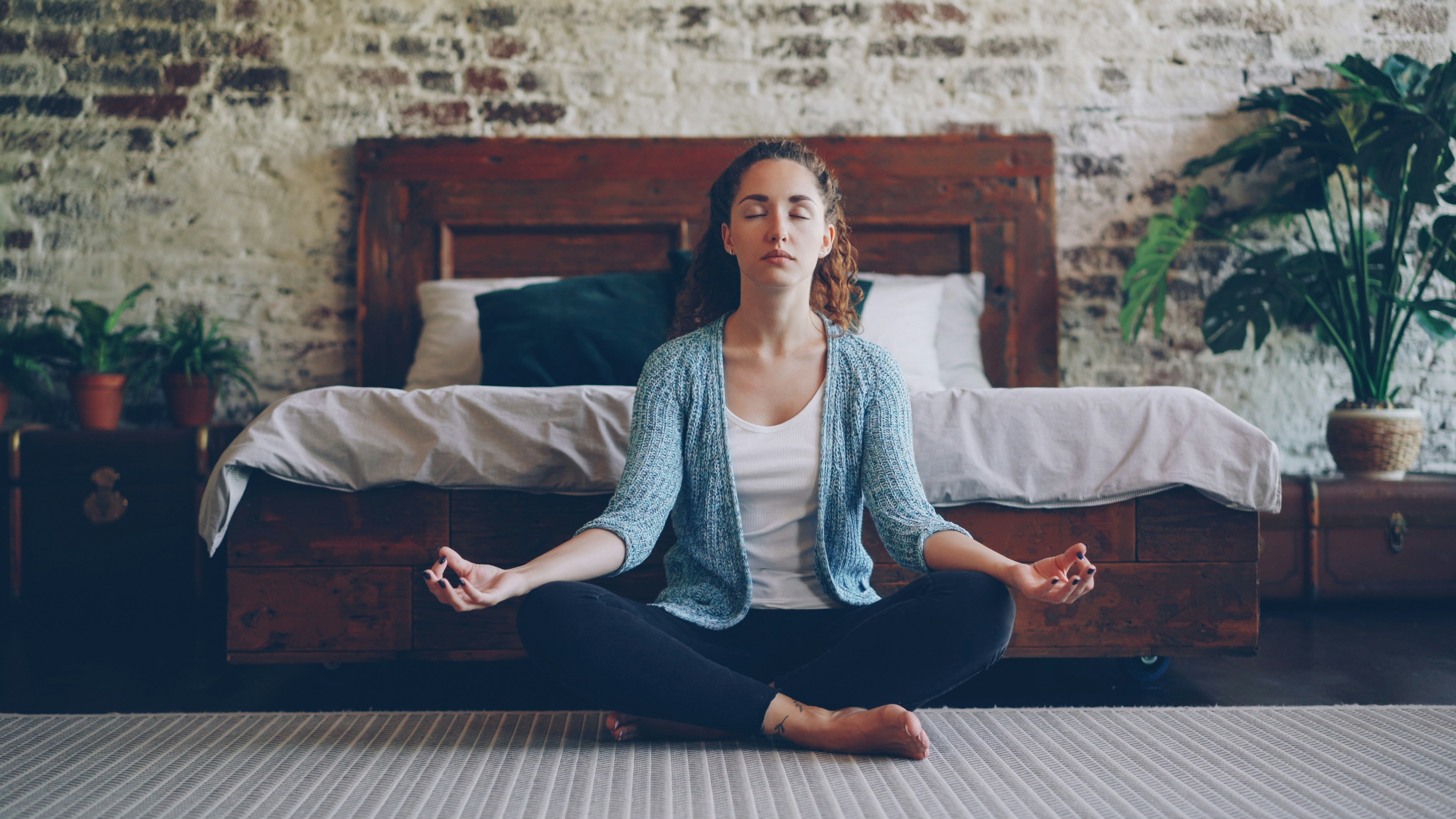
Sleepmaxxing is the practice of stacking habits, products, and routines to get the best sleep your body is capable of. Instead of one quick fix, it layers small, consistent changes across light, temperature, timing, and wind-down. Done well, those inputs add up to deeper, steadier rest.
The term started on social media and grew fast. At its core, it is an old idea with a new name. Good sleep has never come from a single trick. It comes from many small inputs working together, which is exactly how sleep as a system behaves.
What makes the trend new is the mindset. People are treating sleep as something they can understand and shape, not just something that happens to them. That shift is healthy. The only risk is in how far some people take it, which we will get to.
2. Does sleepmaxxing actually work?
Sometimes. It depends on what you stack. The fundamentals, like consistent timing, a cool dark room, less light at night, and a calm wind-down, are well supported by research. The extreme hacks tend to deliver far less than they promise. The basics do the heavy lifting.
Sleep experts at Harvard make the same point. The fundamentals carry most of the benefit, and the gadgets rarely add much on top, so the smartest approach leans on proven habits rather than viral tricks.
This is good news. It means better sleep is mostly within reach, and mostly free. You do not need a shelf of products. You need a few proven inputs you can actually keep up.
3. The sleepmaxxing toolbox, looked at honestly
Here are the techniques you will see most. None of these is better than another. The right ones are simply the ones that work for you.
The reliable basics. A cool, dark, quiet room is the closest thing to a sure bet. Keep the bedroom somewhere around 65 to 68 degrees, block the light, and lower the noise. These quiet conditions are the backbone of solid sleep hygiene basics, and they cost almost nothing.
Magnesium. Magnesium glycinate is popular for a reason, though its effect is modest. A 2025 controlled trial found it produced a small improvement in sleep for adults reporting poor rest, with the clearest benefit for people who were low in magnesium to begin with. Helpful for some, not a miracle for most.
Mouth taping. This one calls for caution. A 2025 systematic review found little evidence that mouth taping improves sleep, alongside real safety risks for anyone with nasal congestion or sleep apnea. If you snore or struggle to breathe through your nose, skip it and talk to a clinician.
White noise, weighted blankets, blackout curtains. These are low risk and worth a try if they help you settle. Keep what works, and drop what does not. That is the whole game.
4. Why is a consistent sleep schedule the most important part?
Because regularity beats almost everything else. Going to bed and waking up at similar times each day anchors your body clock, which improves sleep latency and helps you stay asleep. It is the foundation every other technique builds on. Without it, the rest is patching a leak while the tap runs.
The evidence here is striking. In a large UK Biobank study, people with regular sleep timing had a 20 to 48 percent lower risk of early death than those with irregular patterns, and regularity predicted this better than total sleep length did. In other words, when you sleep matters as much as how much.
A steady schedule stabilizes your circadian rhythm, so your body starts preparing for rest before your head hits the pillow. Every supplement, gadget, and wind-down ritual works better on top of that foundation.
If you only change one thing, change this. Pick a wake time and protect it, even on weekends.
5. Can you overdo sleepmaxxing?
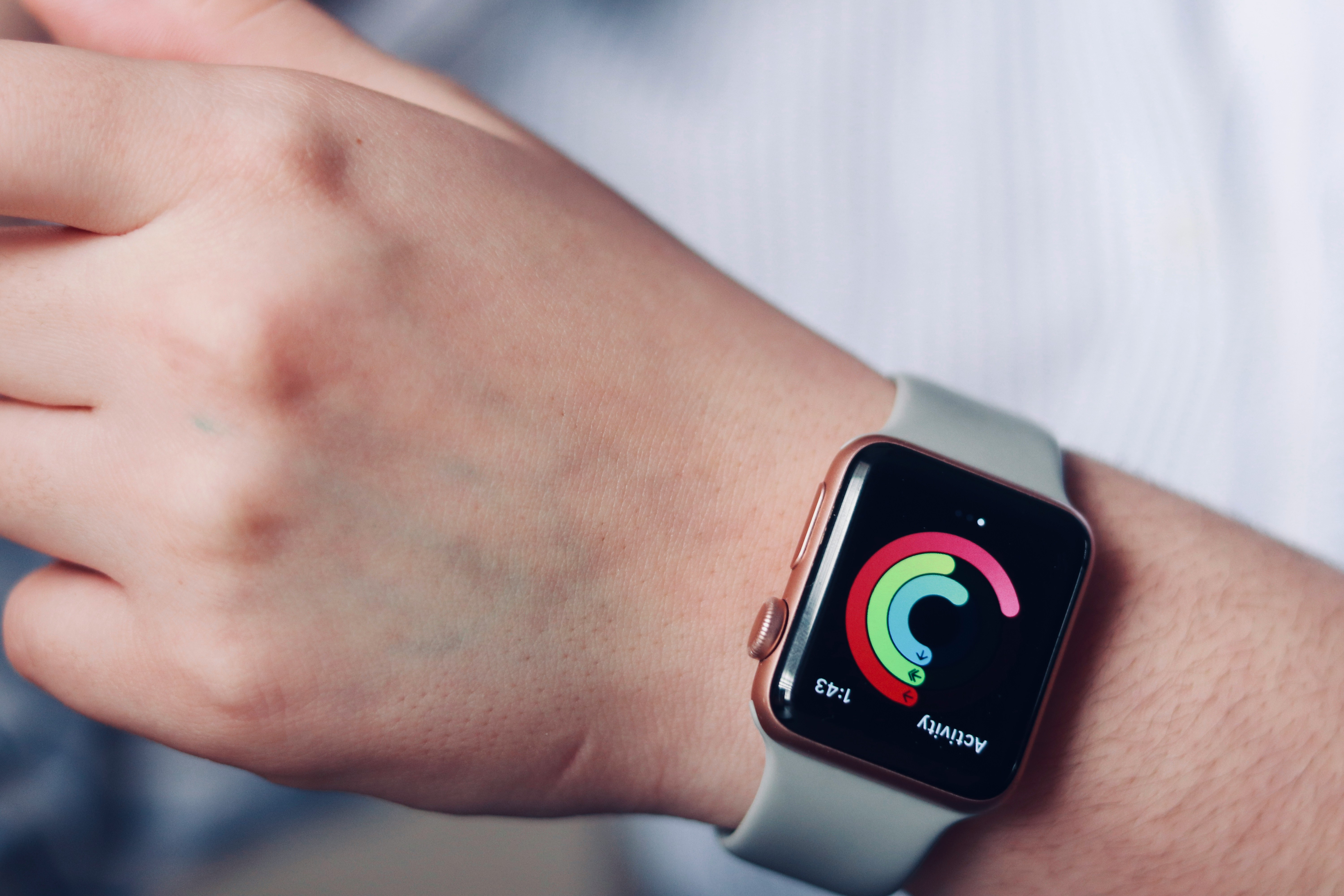
Yes. Chasing a perfect sleep score can quietly make sleep worse. Clinicians call this orthosomnia, an anxious fixation on sleep data that fuels the very stress that keeps you awake. The harder some people push for flawless numbers, the more they worry at bedtime.
The irony is sharp, and worry is the enemy of sleep. An unhealthy focus on sleep metrics can raise anxiety and make rest harder to reach.
A number can tell you what happened. It cannot tell you how rested you feel, and it cannot make you calm. The goal was never a perfect graph. It was waking up restored. So hold your data loosely, as a gentle signal and not a verdict.
6. Where Raizz fits: sleepmaxxing from a different angle
Almost every technique above changes what you do: what you take, when you sleep, how dark your room is. Raizz works from a different angle. Rather than asking more of your willpower, it gently supports your body as it settles, so better sleep becomes something you feel, not a number you chase.
We do not treat sleep as a score to perfect. Our reason for being is simpler and warmer than that: to help you restore your sleep. Raizz uses gentle vibrational input, a soft, rhythmic signal that works with your body to ease it toward rest. It is active rather than passive. Most sleep tools watch your night and report back in the morning, while this adaptive sleep technology responds in the moment, as you are falling asleep.
That support does not stop at helping you drift off sooner. It is meant to work with you across the whole night: easing you into sleep, supporting deeper, more restful sleep, and helping your body stay settled through the sleep stages so you wake up genuinely restored.
Here is how it fits the bigger picture. A consistent schedule is the foundation, and your favorite techniques sit on top. Raizz adds an active layer that helps you settle into that schedule and sleep more deeply, night after night. Adaptive sleep support should be considered complementary to healthy sleep habits and clinical care, not a replacement for either.
The bottom line
Sleepmaxxing, at its best, is just paying attention to your sleep again. That is a good thing. Keep what genuinely works for you, stay safe with the riskier trends, and remember that no product replaces the basics.
Hold onto three things. First, anchor everything to a consistent schedule, because regularity does more than any single hack. Second, do not chase a perfect score, chase feeling restored. Third, find support that works with your body, and helps it truly rest.
That is what Raizz is for.
Frequently Asked Questions
It can be either, depending on how you do it. Focusing on proven basics like a consistent schedule, a cool dark room, and a calm wind-down is genuinely good for your sleep. It becomes a problem only when it turns into anxious perfectionism, or when it leans on risky trends. Keep it simple, and keep it safe.
A consistent sleep and wake time. Research shows that sleep regularity predicts long-term health even better than how many hours you get. A steady schedule anchors your body clock, which improves sleep latency and helps you stay asleep. It also makes every other technique work better. Protect your wake time, even on weekends.
Most sleep tools measure your night and report back in the morning. Raizz takes an active approach, using gentle vibrational input to help your body settle as you fall asleep and to support deeper, more restful sleep through the night, rather than simply watching it. It is designed to complement healthy sleep habits and clinical care, not replace them.
More Articles You Might Like




Have questions, want to join us, or simply want to connect? We'd love to hear from you. Feel free to reach out at
[email protected]